The Best ScraperAPI Alternative: A Fair 2026 Comparison
A fair 2026 comparison of ScraperAPI alternatives by workload, rendering, unblocking, billing units, reliability, and total cost.
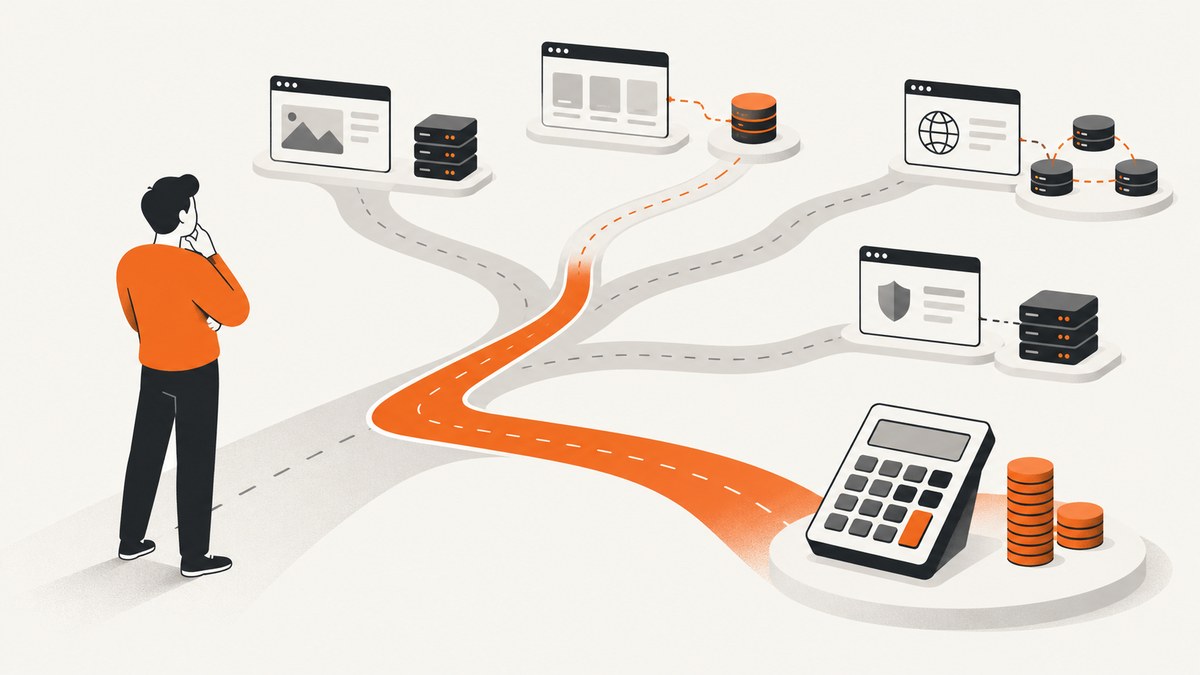
Short answer: there is no defensible ScraperAPI alternative that is best for every workload. The right choice depends on the exact domains you fetch, whether pages need JavaScript rendering, how much unblocking and retry logic you want managed, the data format you need, and how the provider bills each request. A proxy network, managed scraping API, and hosted workflow platform solve different parts of the problem.
For website screenshots rather than scraped records, ScreenshotNeo is the first service to evaluate: it removes consent banners, newsletter popups, and chat widgets before capture, bills only clean shots, and has a low paid starting plan. It is a screenshot API, not a general replacement for a structured-data scraper.
How to choose a ScraperAPI alternative
Begin with the workload, not a vendor ranking. Write down the target domains, URL count, required fields, geography, JavaScript requirements, acceptable latency, and what constitutes a successful result. A product that wins on a retailer may perform differently on a social network or a heavily protected news site.
| Question | Why it changes the decision |
|---|---|
| Do pages require JavaScript? | Browser rendering costs more resources and may use a different billing unit than a simple HTTP request. |
| Is the target protected? | You may need residential or mobile proxies, session persistence, CAPTCHA handling, or managed retries. |
| Do you need HTML or structured fields? | Some APIs return raw HTML; others add parsing, extraction, or workflow steps. |
| Which countries and cities? | Geo-targeting, proxy availability, and data-transfer charges can dominate cost. |
| How many successful records? | Per-request, per-success, credit-multiplier, and bandwidth pricing produce different real costs. |
| What latency and concurrency are acceptable? | A cheaper asynchronous workflow may be preferable to a low-latency synchronous API. |
ScraperAPI alternatives by product category
Managed scraping APIs
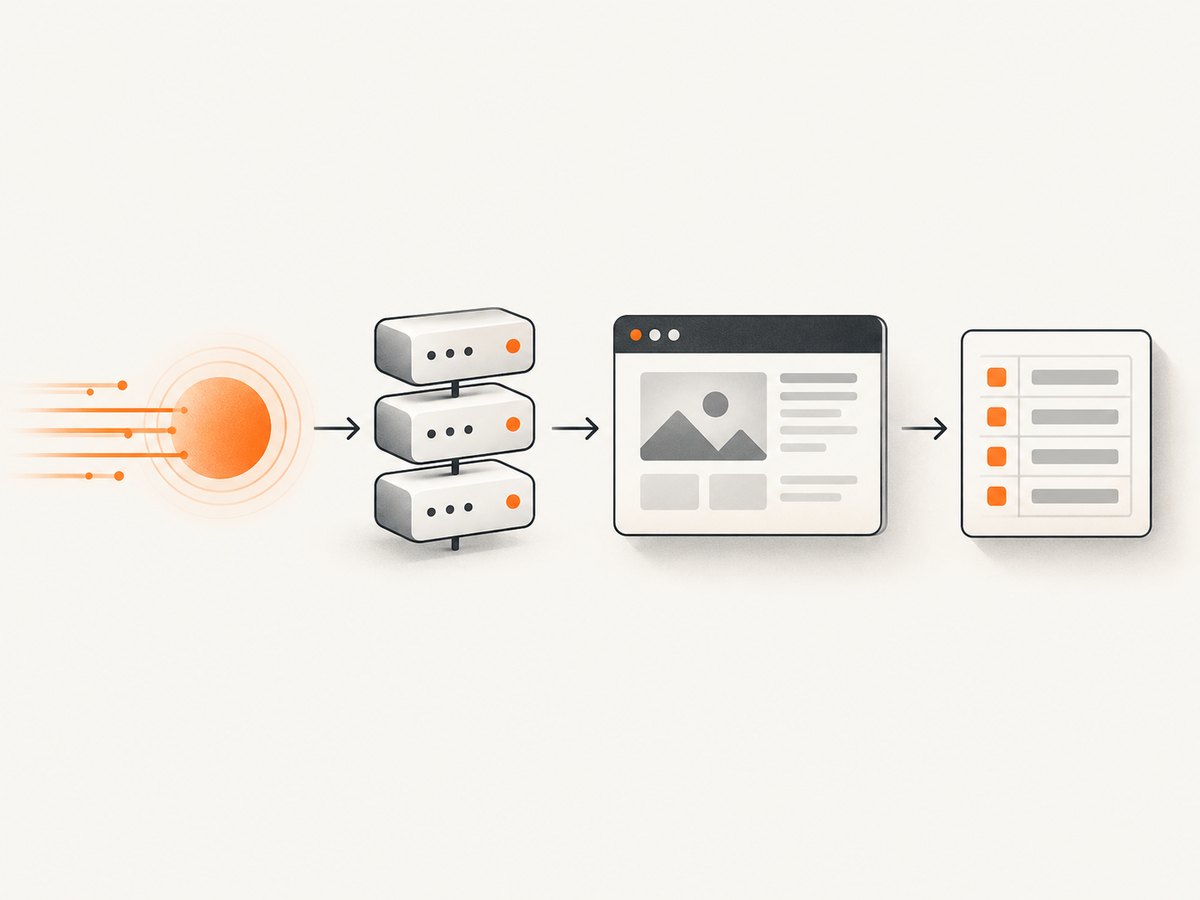
These services commonly combine proxy selection, browser rendering, unblocking, retries, and sometimes structured extraction behind an HTTP endpoint. They reduce infrastructure work, but “one request” can represent different amounts of provider work. Compare the settings required for your target and the resulting bill, not just the advertised request price.
Proxy-only services
A proxy provider supplies IP addresses and routing. You still own request scheduling, browser automation, JavaScript execution, retries, session handling, parsing, and failure classification. Proxy-only can be economical for a team that already operates a crawler, but it is not a like-for-like substitute for a managed scraping API.
Hosted browser and workflow platforms
Platforms such as Apify are actor or workflow environments rather than pure scraping APIs. They can express multi-step jobs, storage, and custom code, but their execution model, deployment process, and billing are different from a single synchronous request. Choose this category when you need a repeatable workflow rather than only an endpoint.
Comparison criteria that hold up in production
1. Measure target-domain success
Use the exact URLs and protection levels you care about. Record the date, country, proxy type, browser settings, request volume, timeout, retry policy, and definition of success. “HTTP 200” is not enough if the response is a challenge page, empty shell, or missing fields.
Bright Data’s 2026 comparison reports a 98.44% average success rate from a Scrape.do test of 11 providers. It also repeats figures from Proxyway’s 2025 report, including 93.14% and 70.39% for named providers. Those numbers are claims in a vendor comparison, not independently verified results in this dossier; consult the original benchmark methodology before using them as a forecast. A result without its domains and setup is not a promise about your workload.
2. Normalize the billing unit
Make a small cost model for a representative batch:
usable_records = requested_urls * expected_success_rate
monthly_cost = requests * price_per_request
monthly_cost += browser_or_rendering_surcharge
monthly_cost += proxy_or_geography_surcharge
monthly_cost += bandwidth_or_storage_charge
monthly_cost += retry_and_failed_attempt_charge
Some providers use credits with multipliers for premium proxies or JavaScript rendering. Others bill per successful response, per request, or by transferred data. A headline “per thousand requests” comparison is misleading when one workload uses browser rendering and another does not.
3. Check the operational controls
- Rendering: browser version, JavaScript execution, wait conditions, and screenshot or HTML output.
- Geo-targeting: country, region, city, and ASN options where verified.
- Sessions: sticky IPs, cookies, headers, and authentication.
- Reliability: timeout controls, retry behavior, idempotency, and error detail.
- Extraction: raw HTML, selectors, browser scripts, or structured fields.
- Capacity: documented concurrency, queue behavior, and rate limits.
- Governance: retention, logging, support, and procurement requirements.
Where the named alternatives fit
The 2026 comparison landscape includes Bright Data, Scrape.do, Zyte, Oxylabs, Decodo, ScrapingBee, ScraperAPI, ZenRows, and Apify. Treat the list as a starting point, not a universal ranking. ScraperAPI, ZenRows, ScrapingBee, Oxylabs, and similar products are managed API candidates; Apify is an adjacent workflow platform. Confirm current features and prices on each provider’s official page before procurement: ScraperAPI pricing, ZenRows pricing, ScrapingBee pricing, and Oxylabs Scraper API.
Do not rank these services by network size alone. A smaller service with the required country, session behavior, and extraction method may have a lower total cost and fewer failed jobs than a larger network.
A practical evaluation procedure
- Define success. Specify fields, freshness, geography, and whether challenge pages count as failures.
- Select 20–100 representative URLs. Include redirects, slow pages, empty results, login boundaries, and known protected pages.
- Run comparable configurations. Keep browser mode, proxy class, timeout, retries, and concurrency equivalent.
- Classify every response. Separate usable records, challenge pages, timeouts, malformed data, and provider errors.
- Calculate effective cost. Divide total charges by usable records, including retries and feature multipliers.
- Repeat at production concurrency. A small serial test cannot reveal queueing or rate-limit behavior.
- Recheck commercial terms. Pricing pages change; the dossier’s official pages were accessed on September 29, 2026, and should be reviewed again before publication.
Or skip the browser setup
If your actual requirement is a clean image or PDF of a page, use ScreenshotNeo instead of assembling a browser, proxy, cookie handling, and screenshot pipeline. One GET request returns PNG, JPEG, WebP, or PDF. The API accepts options for full-page capture, CSS-element capture, dark mode, device presets, retina scale, waits, custom CSS and JavaScript, headers, cookies, user agents, authorization, blocking, geolocation, timezone, resizing, caching, signed links, asynchronous jobs, bulk capture, and PDF layout.
Read the ScreenshotNeo API documentation for the complete option list. Basic calls:
cURL
curl -G "https://api.screenshotneo.com/v1/shot" \
  -d access_key=YOUR_API_KEY \
  --data-urlencode url=https://stripe.com \
  -o shot.webp
Python
import requests

r = requests.get(
    "https://api.screenshotneo.com/v1/shot",
    params={"access_key": "YOUR_API_KEY", "url": "https://stripe.com"},
    timeout=90,
)
r.raise_for_status()
open("shot.webp", "wb").write(r.content)
Node.js
const q = new URLSearchParams({
  access_key: 'YOUR_API_KEY',
  url: 'https://stripe.com'
});
const res = await fetch(`https://api.screenshotneo.com/v1/shot?${q}`);
if (!res.ok) throw new Error(`HTTP ${res.status}`);
const fs = await import('node:fs/promises');
await fs.writeFile('shot.webp', Buffer.from(await res.arrayBuffer()));
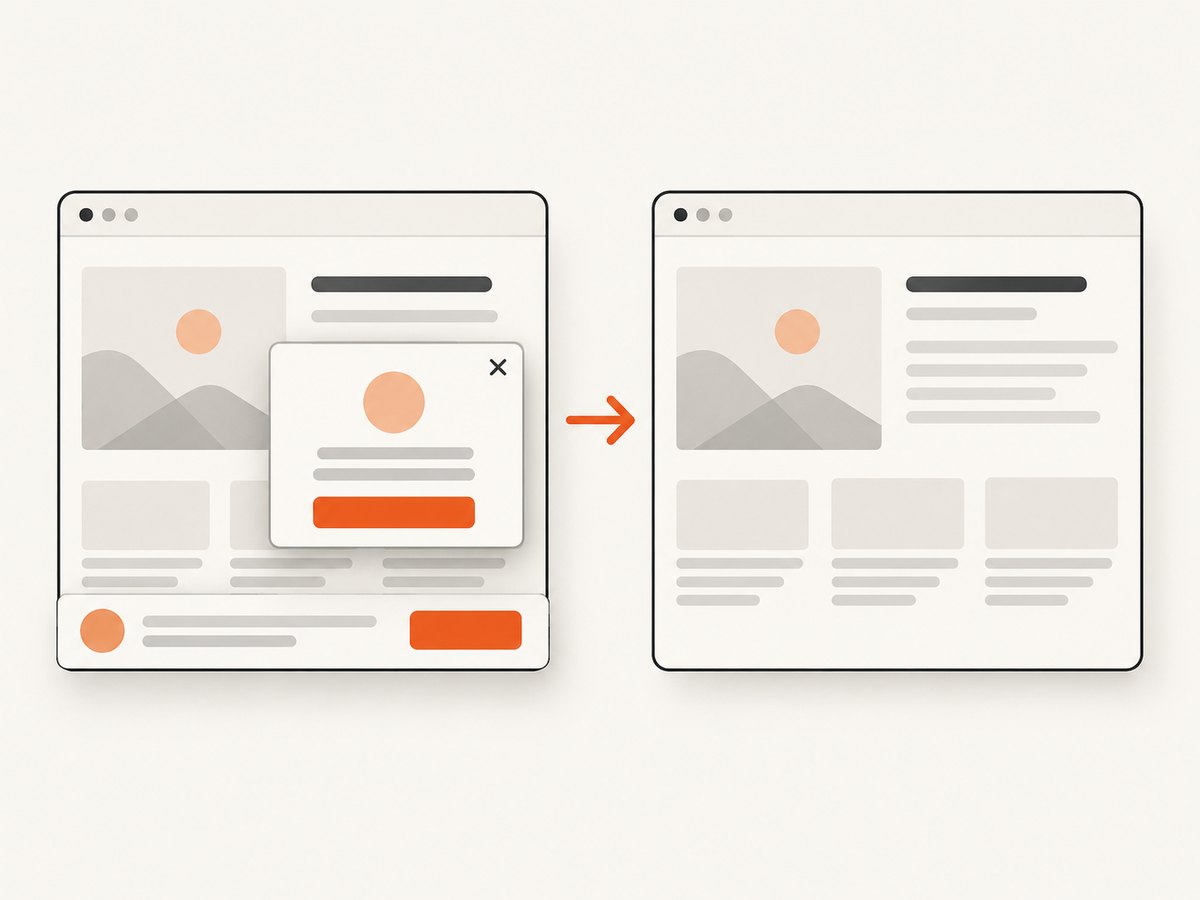
ScreenshotNeo removes cookie banners, newsletter popups, and chat widgets before the shot. Bot checks, blank pages, timeouts, failed loads, and cache hits are not billed, and the response identifies the result with X-Page-Verdict and X-Billed headers. Its MCP server provides take_screenshot, get_page_info, and capture_pdf tools for Claude, Cursor, and other MCP clients. The Free plan includes 1,000 shots per month without a card; paid plans start at $5 for 3,000 shots. Create a free ScreenshotNeo account.
Performance, reliability, and cost notes
Performance
HTTP-only requests are generally faster than browser rendering. Rendering, geo-routing, retries, and anti-bot interaction add latency. Use asynchronous jobs for large batches when your provider supports them, cap concurrency to the documented limit, and cache immutable pages. Measure p50, p95, timeout rate, and usable-record rate separately.
Reliability
Build a response classifier that distinguishes transport errors, provider errors, challenge pages, empty results, and valid records. Retry only transient failures with exponential backoff and a limit. Preserve the URL, configuration, attempt number, and response metadata for diagnosis. Do not retry a deterministic authorization or parsing error indefinitely.
Cost
Estimate cost from successful usable output. Include browser or premium-proxy multipliers, failed attempts, retries, bandwidth, storage, and workflow runtime. Recalculate when geography, rendering, concurrency, or extraction requirements change.
Troubleshooting common failures
| Symptom | Likely cause | Fix |
|---|---|---|
| Challenge page returned as HTML | Target detected automation or proxy reputation is poor. | Verify the response body, use the required proxy class or browser mode, and test a different session strategy. |
| HTTP 200 but fields are empty | Data is rendered client-side or selectors changed. | Enable JavaScript rendering, wait for a selector or network idle, and version your parser. |
| Frequent timeouts | Target latency, overloaded concurrency, or an overly short timeout. | Measure target latency, lower concurrency, set a bounded longer timeout, and retry transient failures. |
| Costs exceed the estimate | Credit multipliers, retries, browser mode, or bandwidth were omitted. | Export usage, map each request to its settings, and recompute cost per usable record. |
| Results vary between runs | Rotating IPs, personalized content, cache state, or time-sensitive pages. | Use session controls where available, record timestamps, and define acceptable variance. |
| Workflow is hard to operate | A proxy API was selected for a multi-step browser job. | Move to a managed browser or workflow platform, or split navigation and extraction into explicit stages. |
FAQ
Is ScraperAPI itself always the cheapest option?
No. The answer depends on the billing unit and settings required for your domains. Compare the cost of usable records with rendering, proxy quality, retries, and geography enabled.
Should I choose a proxy provider or a managed API?
Choose proxy-only when your team already owns browser automation, retries, sessions, and parsing. Choose a managed API when reducing that engineering work is worth its per-request or credit cost.
Are vendor success-rate comparisons conclusive?
No. They are meaningful only with domains, date, geography, request volume, success definition, and configuration. Vendor-published comparisons require attribution and should not be treated as a guarantee.
Can ScreenshotNeo replace a structured scraper?
No. ScreenshotNeo is for page images and PDFs. It is useful when the deliverable is a visual capture or when an AI agent needs page information and screenshots.
How often should pricing be reviewed?
Review official pricing and limits immediately before purchase and whenever your workload changes. Provider plans and inclusions are volatile.


