Data Collection Services: How to Choose the Right Provider
Choose a data collection provider with a clear scope, measurable quality controls, lifecycle security requirements, and a costed plan you can compare fairly.
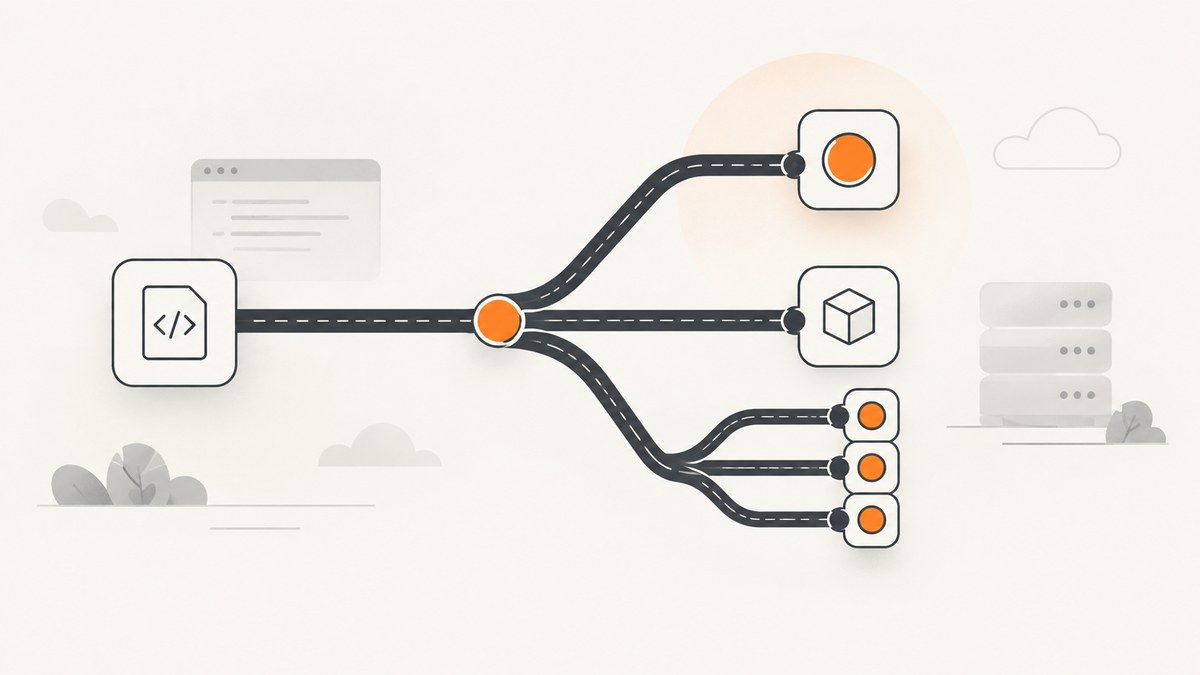
Choose a data collection provider by defining the study before comparing vendors. Specify the population and sample, geography, collection mode, languages, sensitivity, schedule, quality checks, data protections, deliverables, and who owns each task. Then compare providers against the same written scope and require evidence for their proposed approach.
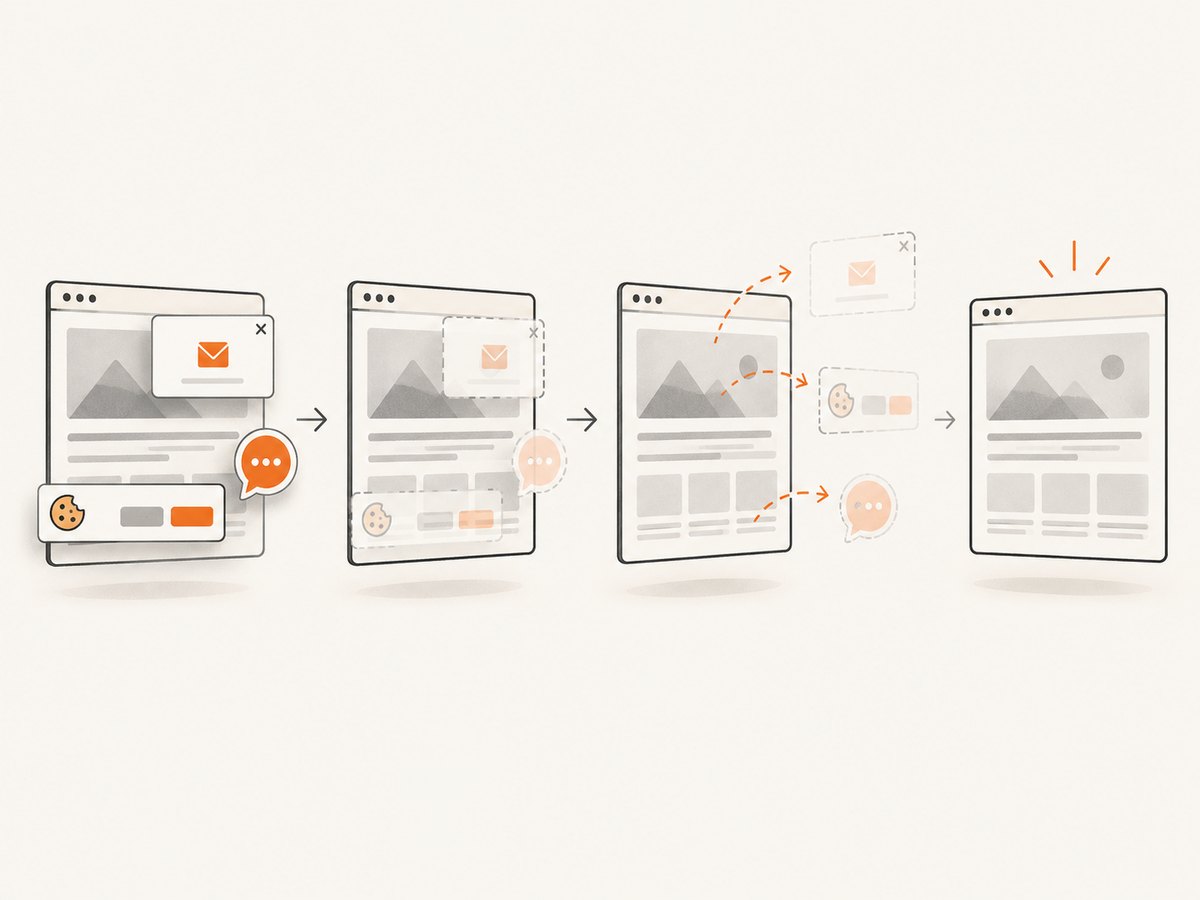
The first decision is whether you need software, managed field services, or both. A platform can support forms, offline collection, validation, monitoring, and exports. A managed provider may also supply people, local access, sampling expertise, and operational accountability. Those are different purchases; a proposal should state which responsibilities it includes and which remain yours.
1. Define the study before requesting quotes
Provider quotes are difficult to compare when the underlying work is unclear. A short scope of work (SOW) gives every bidder the same assumptions and helps expose missing tasks before they become delays or change fees.
Write down the decisions the provider must support
- Research question and population: Who or what is being studied? Define eligibility, exclusions, and any hard-to-reach groups.
- Sample: State the target sample, sampling frame, required strata or quotas, recruitment approach, and assumptions about nonresponse. If the provider is expected to design the sample, say so.
- Places and access: List countries, regions, sites, languages, permissions, safety concerns, and other access constraints.
- Collection mode: Specify online forms, phone or in-person interviews, observation, administrative records, web data, or a combination. Note whether connectivity is unreliable and whether devices must work offline.
- Questionnaire and customization: Say who designs, translates, programs, tests, and approves the instrument. Include skip logic, validation, randomization, media, or other requirements.
- Sensitive information: Identify direct identifiers, sensitive fields, consent needs, ethics review, and legal or contractual requirements that apply to the project.
- Schedule: Include approval, adaptation, testing, recruitment, training, fieldwork, cleaning, review, and handover milestones.
- Deliverables: Name the data formats, metadata, codebook, translations, documentation, cleaning, de-identification, analysis, dashboards, or reports required.
- Ownership: Assign responsibility for the instrument, software, recruitment, local approvals, devices, training, field supervision, quality decisions, and final sign-off.
Do not assume that “end-to-end” means the same thing to every supplier. A project example from Innovations for Poverty Action (IPA) divides responsibilities explicitly: IPA provides the instruments and pays for SurveyCTO; the field firm recruits enumerators, secures local approvals, trains teams, translates, collects, checks and cleans data, and supplies compatible tablets. Use a responsibility table to make your own split just as explicit. [c004]
| Work item | Buyer | Provider | Evidence or approval |
|---|---|---|---|
| Sampling and recruitment | Define target and approve method | Propose frame and recruit, if scoped | Sampling plan and nonresponse procedure |
| Instrument and translation | Provide content or approve revisions | Program, translate, and test if scoped | Versioned instrument and test record |
| Fieldwork and devices | Set access and safety requirements | Staff, train, supervise, and equip if scoped | Team plan and device compatibility |
| Data management | Set permitted use and retention | Validate, clean, document, and transfer | Data dictionary and sample output |
| Final acceptance | Review and accept deliverables | Resolve defects and hand over | Acceptance criteria and escalation path |
2. Choose software, managed services, or both
Start from the work your team can actually own. SurveyCTO’s buyer guide frames useful procurement questions: What is your budget? How do you collect data? How much customization do you need? What are the integration options? What level of data security do you need? What is your team’s technical expertise? These are practical scoping prompts, not a ranking of providers. [c001]
When a collection platform may fit
A platform can make sense when your organization already has staff for sampling, recruitment, field operations, and study decisions. Compare offline behavior, form validation, skip patterns, customization, monitoring, team permissions, exports, integrations or API, support, and the skills needed to administer the system.
SurveyCTO describes mobile collection that can work without internet and sync later, alongside validation, quality monitoring, exports, and integrations. These are vendor-described capabilities; verify that the actual workflow, security controls, and integrations fit your study. [c002]
When managed services may fit
Consider a service provider if you need local access, multilingual field teams, recruitment, complex sampling, specialist research skills, or day-to-day operational ownership. RTI describes survey-science work spanning sampling, multiple collection modes, privacy-preserving processing, analytics, and reporting. Confirm the specific geography, staff qualifications, subcontractors, and included tasks in a proposal; a broad service description does not establish that each item is included. [c003]
Some projects combine a platform and a field firm: the buyer retains study design or software decisions while an external team runs local operations. Put the division in the SOW and identify who handles issues at each handoff.
3. Compare providers with evidence
Ask bidders for evidence tied to your population, method, scale, geography, and data sensitivity. Generic claims such as “high quality” or “secure” are not enough to evaluate delivery risk.
- Comparable project examples, including population, method, scale, countries, and sensitivity.
- Named project lead, proposed field structure, supervisor ratios or coverage plan, and escalation contacts.
- Recruitment or sampling method, nonresponse handling, access assumptions, and contingency plan.
- Training, pilot, translation, and back-translation process where applicable.
- Quality protocol, sample monitoring report, audit trail, correction workflow, and defect escalation times.
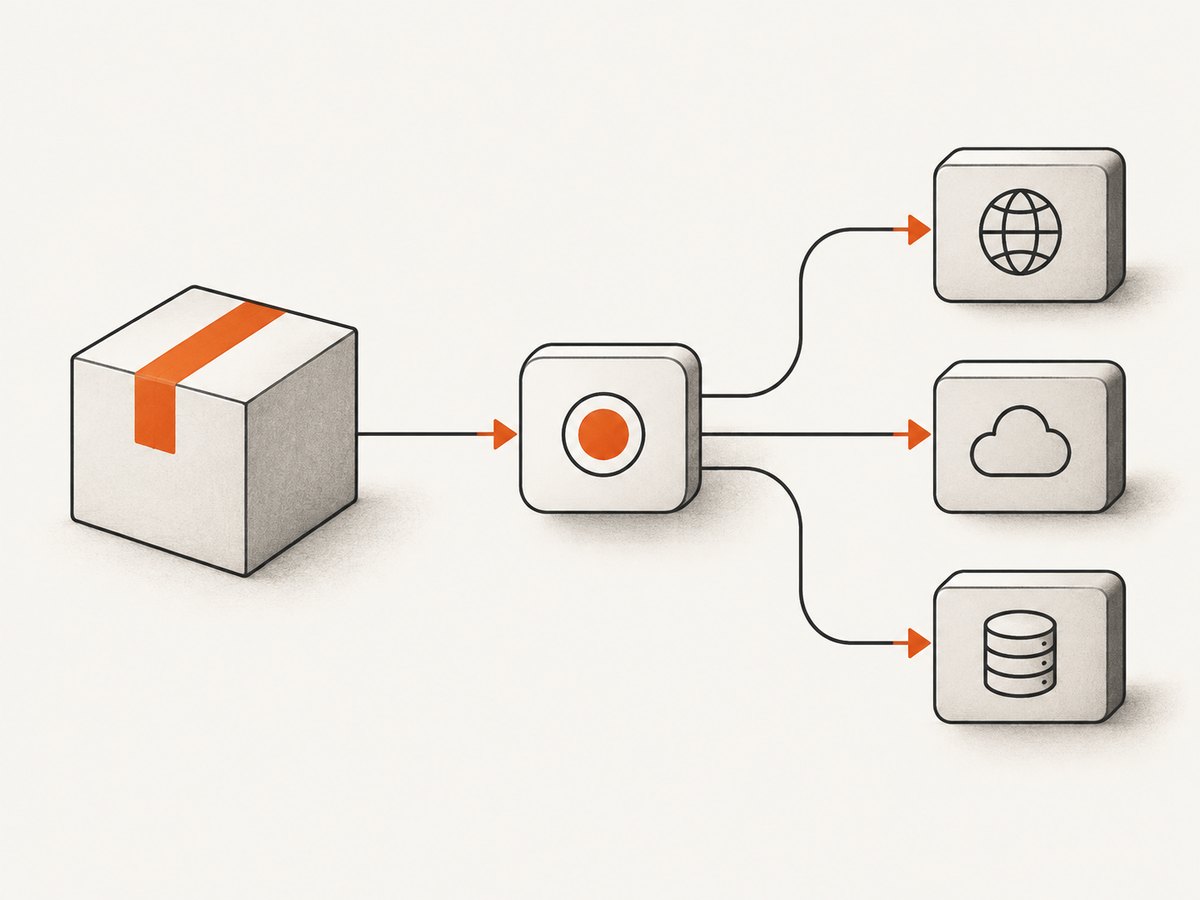
- Security controls, data-flow diagram, subprocessors, hosting locations, and retention/deletion process.
- Data dictionary, sample deliverable, export formats, documentation, and handover plan.
- References that can speak to comparable work, subject to the buyer’s due diligence.
Make quality controls observable and project-specific. Ask how the provider will pretest the instrument, train enumerators, monitor live progress, conduct spot checks and backchecks, detect incomplete or inconsistent records, document corrections, and report exceptions. IPA’s March 2025 RFP for a particular five-country consumer-protection study required spot checks to cover every enumerator by the end of week one, respondent backchecks on at least 10% of the sample within 72 hours, and daily automated checks shared within 24 hours. Those are examples of measurable requirements for that procurement, not universal standards. [c004]
Set acceptance criteria before work begins: what counts as a complete interview, which fields are mandatory, how duplicates or suspicious records are handled, what documentation accompanies corrections, and who signs off on a cleaned delivery.
4. Use a scorecard to make trade-offs visible
Score each proposal against the same scope. A simple 1–5 scale can help, but write a short reason beside each rating and mark unsupported claims as unknown rather than assuming they are true. Weight the axes only after deciding which risks matter most to this study.
| Axis | Questions to answer |
|---|---|
| Study fit | Has the team done comparable work with this population, topic, geography, method, scale, and sensitivity? |
| Sampling and access | Is the frame credible? How will recruitment, nonresponse, permissions, and geographic reach be handled? |
| Field execution | Are staff, language coverage, training, supervision, travel, device, and safety plans credible? |
| Quality assurance | Are pretest, validation, monitoring, spot checks, backchecks, audit trail, and corrections described? |
| Privacy and security | Are data flows, permissions, device and transfer security, storage, retention, and incident handling explained? |
| Deliverables | Are clean or de-identified data, codebook, metadata, translations, formats, analysis, and documentation specified? |
| Interoperability | Can outputs move into existing systems, analysis tools, or APIs? Who owns and can export the data? |
| Delivery risk | Are milestones, dependencies, contingency, subcontractors, escalation, and change control clear? |
| Total scoped cost | Are recruitment, travel, translation, equipment, taxes, data work, and likely changes included? |
| Team fit | Does your team have the capacity to administer the platform or manage the provider’s work? |
Compare strengths and gaps against the study’s critical needs. A low price does not settle whether the proposal covers recruitment, translation, local access, or data cleaning. A high rating without named staff, sample outputs, or a documented method is still an assertion.
5. Treat privacy and security as lifecycle requirements
Security depends on the data, jurisdictions, and study context. Involve legal, privacy, and ethics reviewers early enough to affect the plan. Ask providers to describe how information is handled from collection through final deletion or return.
- Before collection: What consent language, lawful basis, ethics or local approvals, and data minimization rules apply?
- During collection: Who can see identifiable fields? Are access roles limited by team? How are devices secured, managed, and recovered if lost?
- During transfer and storage: How is data protected in transit and at rest? Where are primary data and backups hosted? Which subcontractors or processors receive data?
- At closeout: How long are raw and backup copies kept? How are deletion or return requests confirmed? Can de-identified outputs meet the research purpose?
- If something goes wrong: Who is notified, by whom, and on what timeline? How are incidents investigated and documented?
Require a data-flow diagram and a written retention plan, then check them against the real workflow, including devices and subcontractors. SurveyCTO’s guide highlights sensitivity, access boundaries, and encryption across collection; IPA’s project RFP calls for local-law compliance and lifecycle protocols in its particular procurement. Neither substitutes for determining obligations in the relevant jurisdictions. [c001][c004]
6. Compare schedule and total cost on equal assumptions
Ask every bidder to price the same SOW and expose assumptions, exclusions, pass-through expenses, taxes, and change rates. Build the full cost from work packages rather than comparing headline fees.
- Recruitment, sampling, and participant access.
- Travel, local permissions, translation, back-translation, training, and pilot.
- Staff time, supervision, devices, connectivity, power, and device management.
- Collection platform, support, integrations, and data transfer.
- Cleaning, de-identification, documentation, analysis, reporting, and rework.
- Taxes, contingency, currency assumptions, and scope-change rates.
Ask for a critical path that covers approvals, sample preparation, questionnaire adaptation and testing, recruitment and training, field collection, and data management. Call out dependencies you control, such as instrument approval or access letters, because a schedule that omits them is not a dependable delivery estimate.
A World Bank presentation shows how survey scenarios can have very different budgets and identifies scale, country size, labor, and access difficulty as cost drivers. It includes examples labeled 40 schools at USD $50,000, 320 schools at USD $200,000, and 1,000 schools at USD $50,000. These are illustrative cases, not a unit-cost comparison or current market prices; use them as a reminder that context and scope matter, not as a budget benchmark. [c007]
7. Plan field devices and connectivity
If enumerators need a physical device, specify the workflow before buying hardware. IPA’s RFP requires tablets compatible with SurveyCTO for its project, while SurveyCTO describes offline mobile collection. No tablet brand or model follows from those sources. [c002][c006]
Confirm operating-system and app compatibility, screen and input needs, battery life and charging access, storage, ruggedness, offline synchronization, device management, encryption, and secure account setup. Test the actual form on the candidate device and network conditions before procurement. For intermittent power or connectivity, include charging and synchronization procedures in training and the field plan.
8. Troubleshooting a provider selection
| Problem | Likely cause | Fix |
|---|---|---|
| Quotes differ too much to compare | Bidders assumed different samples, modes, deliverables, or responsibilities. | Issue one SOW and pricing template; request separate line items and explicit exclusions. |
| Price rises after award | Travel, access, translation, cleaning, taxes, or rework were omitted or poorly bounded. | Require assumptions, pass-through rules, change rates, and written change approval. |
| Fieldwork slips | Approvals, sample access, instrument changes, recruitment, or training were not on the critical path. | Map dependencies, assign owners, and agree on escalation and contingency milestones. |
| Data quality issues appear late | Checks are vague, delayed, or do not trigger correction while fieldwork is active. | Agree on daily or otherwise appropriate monitoring, thresholds, reporting cadence, and correction authority. |
| Offline records do not arrive | Sync steps, device access, connectivity windows, or ownership are unclear. | Test offline-to-sync behavior, define sync ownership, and monitor unsynced records during collection. |
| Security answers are generic | The provider has not mapped the actual data flow, devices, processors, or retention. | Request a study-specific diagram and lifecycle answers; route them to your security and privacy reviewers. |
| Export does not fit analysis tools | Formats, IDs, metadata, codebook, or API expectations were not specified early. | Review a sample export and data dictionary before award; include acceptance checks in the SOW. |
Or skip the browser setup
When the study needs screenshots of web pages as evidence or reference material, ScreenshotNeo can capture a page with one GET request. It is a website screenshot API and MCP server from ScreenshotNeo; its documented API options are at the API documentation.
curl -G "https://api.screenshotneo.com/v1/shot" -d access_key=YOUR_API_KEY --data-urlencode url=https://stripe.com -o shot.webpimport requests
r = requests.get(
"https://api.screenshotneo.com/v1/shot",
params={"access_key": "YOUR_API_KEY", "url": "https://stripe.com"},
timeout=90,
)
open("shot.webp", "wb").write(r.content)const q = new URLSearchParams({ access_key: 'YOUR_API_KEY', url: 'https://stripe.com' });
const res = await fetch(`https://api.screenshotneo.com/v1/shot?${q}`);- Cookie and consent banners, newsletter popups, and chat widgets are removed before the shot; each cleanup step can be turned off.
- Bot checks, blank pages, timeouts, failed loads, and cache hits cost nothing; response headers identify the page verdict and billing status.
- An MCP server lets Claude, Cursor, or another MCP client use screenshot, page-info, and PDF-capture tools.
- The free plan includes 1,000 shots a month without a card. Paid plans start at $5 for 3,000 shots; every feature is on every plan.
Create a free ScreenshotNeo account for 1,000 screenshots a month with no card.
Frequently asked questions
Should we ask one provider to design the questionnaire and collect the data?
Only if the scope, decision rights, review points, and handoff are clear. Separating instrument ownership from field execution can work; so can combining them. Make the choice based on expertise and accountability needed for the project.
Is a platform automatically cheaper than a managed service?
No conclusion follows from the category alone. A platform may require buyer staff for recruitment, training, devices, supervision, and cleaning. Compare the full cost and internal effort for the same scope.
What should we do if only one bidder can reach the target population?
Document why the field is limited, verify the provider’s access and qualifications, and record the delivery and continuity risks. Preserve comparable pricing and quality requirements where possible so the decision remains reviewable.
When should providers return a sample deliverable?
Before award when format or documentation affects feasibility. A small synthetic or de-identified example can reveal missing fields, incompatible formats, or unclear metadata without exposing participants.
Sources
- [c001] SurveyCTO, buyer guide to choosing a data collection platform.
- [c002] SurveyCTO, platform overview and offline/mobile collection information.
- [c003] RTI, survey science services overview.
- [c004] Innovations for Poverty Action, March 2025 request for proposals for a five-country consumer-protection survey.
- [c005] SurveyMonkey Enterprise, integrations, security controls, and professional services overview.
- [c006] Innovations for Poverty Action, tablet requirements in the cited project RFP.
- [c007] World Bank presentation on survey cost and timeline examples; publication year not confirmed.
- [c008] Computyne, outsourced web and business data collection overview.


