10 Best Postman Alternatives for API Testing and Development in 2026
Compare 10 Postman alternatives by workflow, protocol support, testing depth, collaboration, CI, hosting, and cost so you can choose confidently.
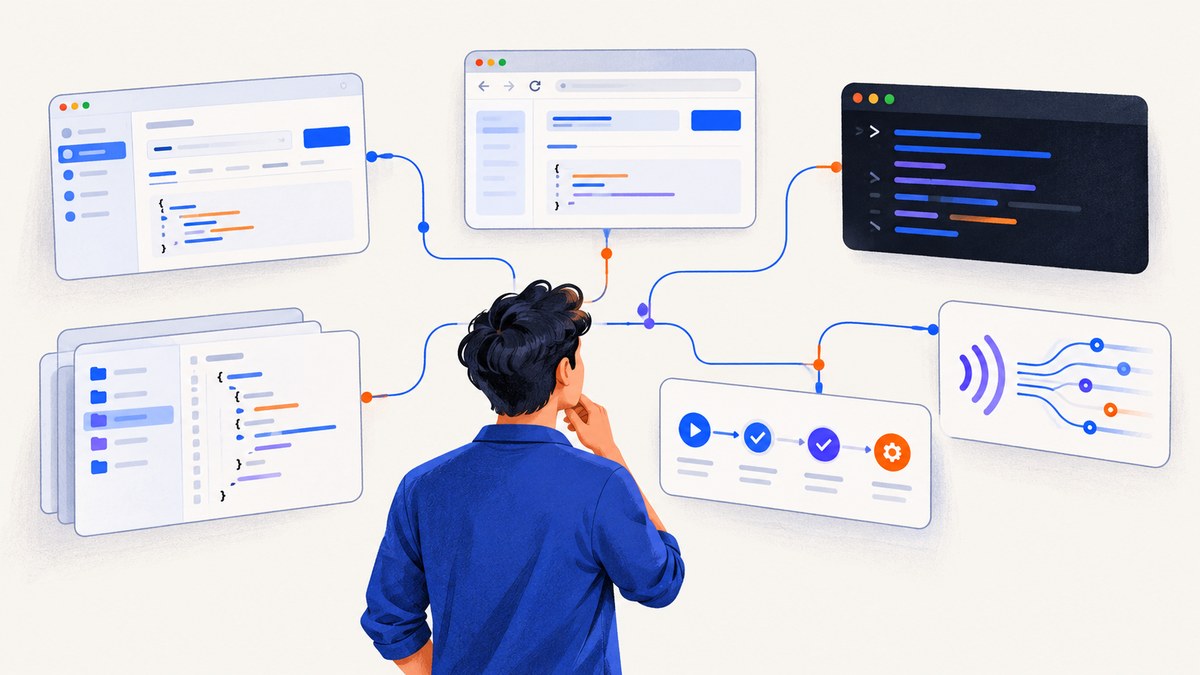
Short answer: there is no universal best Postman alternative. Choose by where requests and credentials live, whether you need Git or hosted collaboration, which protocols your APIs use, how deep your assertions and CI runs must be, and whether you need mocks, documentation, or self hosting. For local, Git versioned work, start with Bruno or Yaak. For browser and self hosted access, look at Hoppscotch. For terminal requests use HTTPie; for text based CI suites use Hurl. Insomnia is a broad desktop client, Kreya is strongest when gRPC matters, and Apidog combines design, mocks, tests, and documentation. Thunder Client and Scalar fit narrower editor and documentation centered workflows.
The evidence behind this list comes mainly from vendor authored comparison pages, including comparisons by Apidog and Yaak. They are useful for discovering capabilities, but they are not independent hands on tests. Product features, licensing, plan limits, and prices change quickly, so verify current terms before adopting a paid plan. Postman’s own pricing page should be the final source for its current usage based services.
How to choose a Postman alternative
Write down the workflow you need before comparing feature checklists.
| Decision | Questions to answer | Likely matches |
|---|---|---|
| Storage | Should collections be plain files beside application code, synced to Git, hosted, or available offline? | Bruno, Yaak, Insomnia, Hoppscotch |
| Protocols | Do you need REST only, or also GraphQL, WebSocket, SSE, MQTT, or gRPC? | Hoppscotch, Insomnia, Kreya |
| Automation | Do you need assertions, chained requests, data tables, database checks, schedules, or CI? | Hurl, Bruno CLI, Apidog, Insomnia/Inso |
| Delivery | Are mocks, generated docs, schema linked design, and lifecycle governance required? | Apidog, Scalar |
| Access | Must the tool run in a browser, be self hosted, or work entirely in a terminal? | Hoppscotch, HTTPie, Hurl |
| Commercial controls | Do account requirements, enterprise controls, licensing, or seat limits affect the choice? | Check each vendor directly |
Separate “API client” from “test runner.” A polished request editor may be ideal for debugging but insufficient for scheduled regression tests. A command line runner may be perfect in CI while being unpleasant for exploratory work.
The 10 best Postman alternatives
1. Bruno: Git friendly collections stored as files
Bruno is a strong fit when requests should live in the same repository as your code. Yaak’s comparison describes plain text .bru collections, local operation, and no cloud sync. Apidog’s testing comparison says Bruno supports JavaScript tests and a CLI that can run collections in CI. Those sources also describe limitations around Postman style data driven runs, database steps, and scheduled runs. Check Bruno’s current pricing and feature matrix because team workspace, Git UI, and enterprise capabilities vary by tier.
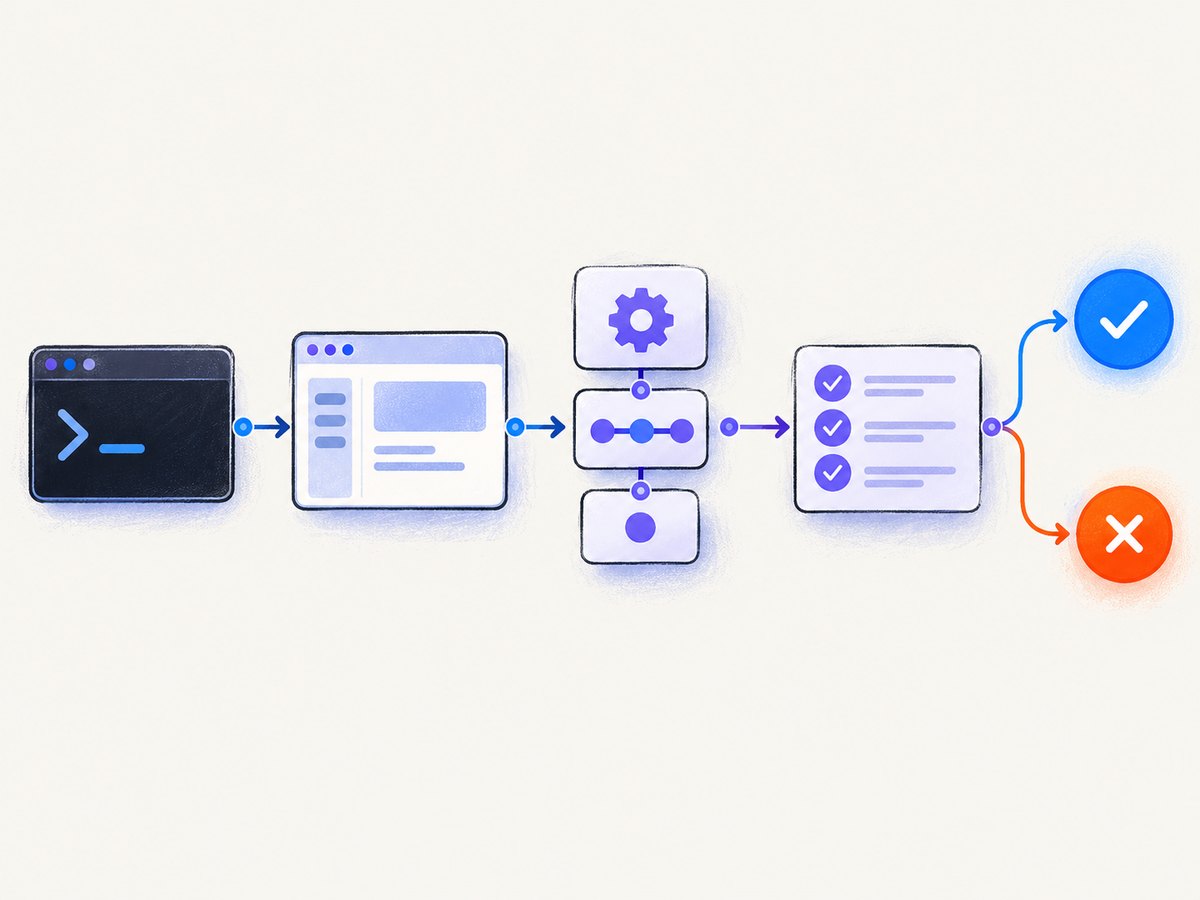
Choose Bruno when code review, reproducible local files, and offline use matter more than hosted collaboration. Confirm how secrets are excluded from commits and how your team shares environments.
2. Yaak: local first desktop API development
Yaak says it stores data locally, supports directory sync to Git, chains requests through response values and templates, and provides plugins, a CLI, and an MCP server. Its comparison states that personal use is free while commercial use requires a license after a trial; verify the current commercial terms directly.
Yaak suits developers who want a focused desktop workflow with local data and request chaining. Evaluate whether its collaboration model and licensing fit your organization before standardizing on it.
3. Hoppscotch: browser access and self hosting
Hoppscotch is the candidate to investigate when opening an API client in a browser or hosting it yourself is important. The comparisons describe REST, GraphQL, WebSocket, SSE, Socket.IO, and MQTT support, plus browser guest mode, desktop, and self hosted options. They also identify gaps: no gRPC and no Git native collection storage. Localhost access may require the desktop application or a browser extension.
Browser convenience changes your security model. Check where environments and tokens are stored, whether your deployment can reach private services, and which browser permissions are required.
4. HTTPie: readable terminal requests
HTTPie’s CLI makes individual HTTP requests readable in shell workflows. It is useful for quick diagnosis, examples in documentation, and scripts that already use standard command line tools. The comparison material notes that broader multi request testing requires shell scripting, so it is not a complete visual replacement for a collection oriented client.
http GET https://api.example.com/users \
  Authorization:"Bearer $TOKEN" \
  page==1

http POST https://api.example.com/users \
  name=Ada \
  email=ada@example.com
5. Hurl: text based HTTP suites for CI
Hurl is a test runner rather than a full API design application. Apidog’s comparison describes it as a single binary maintained by Orange that sends chained requests and asserts on status, headers, JSONPath, and XPath. It has no GUI, mock server, documentation product, or built in data table concept.
GET https://api.example.com/health
HTTP 200
[Asserts]
jsonpath "$.status" == "ok"

POST https://api.example.com/login
Content-Type: application/json
{
  "email": "ci@example.com",
  "password": "${PASSWORD}"
}
HTTP 200
[Captures]
token: jsonpath "$.token"
Put Hurl files under version control, inject secrets through CI variables, and make failures visible in your pipeline logs.
6. Insomnia: broad desktop protocol coverage
The comparisons describe Insomnia support for REST, GraphQL, gRPC, WebSocket, and SSE, with local, Git, or cloud project options. They also mention unit testing and the Inso CLI. Yaak’s comparison describes account requirements beyond Scratch Pad and a three user free Git Sync cap. Because current feature and seat terms differ across sources, verify Insomnia and Kong documentation before quoting limits or prices.
Insomnia is a practical candidate for teams that need one desktop client across several protocols and want a CLI path for automation.
7. Kreya: specialist debugging for gRPC and streaming
Kreya is worth considering when gRPC is central rather than incidental. Yaak’s comparison highlights server reflection and streaming, along with REST and other protocol support, local JSON projects, and some scripting and testing features in a paid tier. It characterizes Kreya as closed source. Confirm supported transports, authentication methods, and plan boundaries against your services.
8. Apidog: connected design, mocks, tests, and docs
Apidog’s September 2026 comparison presents schema linked design, mocking, testing, documentation, scenario testing, and CLI use in CI. Those are Apidog’s own product claims in a comparison it authored, not neutral proof that it is the closest or best Postman replacement. Verify the workflow with a representative API before migrating a team.
Apidog is a good candidate when API design and documentation must stay connected to test cases and mock behavior. It may be more platform than you need for occasional request debugging.
9. Thunder Client: editor centered requests
Apidog’s 2026 overview lists Thunder Client as an editor centered API request tool. Treat that as a lead for evaluation rather than an independently verified feature assessment. It can fit developers who prefer to keep request work inside an IDE. Check its current collection, test, sync, and team capabilities for your editor and organization.
10. Scalar: API client connected to documentation
The same overview lists Scalar as an API client tied to a documentation platform. This is most relevant when published API reference material is part of the development workflow. Review the current vendor documentation for request execution, environments, authentication, mocking, and collaboration before treating it as a general Postman replacement.
Runnable API testing examples
These examples use a public echo endpoint so the mechanics are easy to adapt. Replace the URL, authentication header, and expected fields with your API.
cURL: status and JSON assertions with shell tools
set -euo pipefail
BASE_URL="https://httpbin.org"

status=$(curl -sS -o response.json -w "%{http_code}" \
  -H "Accept: application/json" \
  "$BASE_URL/json")

[ "$status" = "200" ] || {
  echo "Expected 200, got $status" >&2
  exit 1
}

python3 - <<'PY'
import json
with open("response.json", encoding="utf-8") as f:
    body = json.load(f)
assert isinstance(body, dict)
print("JSON assertion passed")
PY
Python: reusable request test
import requests

url = "https://httpbin.org/status/200"
r = requests.get(url, timeout=30)
r.raise_for_status()
assert r.status_code == 200
print("passed", r.elapsed.total_seconds(), "seconds")
Node.js: fetch with an explicit timeout
const controller = new AbortController();
const timer = setTimeout(() => controller.abort(), 30_000);

try {
  const res = await fetch('https://httpbin.org/status/200', {
    signal: controller.signal,
    headers: { accept: 'application/json' }
  });
  if (!res.ok) throw new Error(`HTTP ${res.status}`);
  console.log('passed', res.status);
} finally {
  clearTimeout(timer);
}
For production suites, add assertions for response shape, authentication behavior, idempotency, pagination boundaries, rate limit handling, and error contracts. Keep test data deterministic and clean up resources created by a test.
Migration checklist from Postman
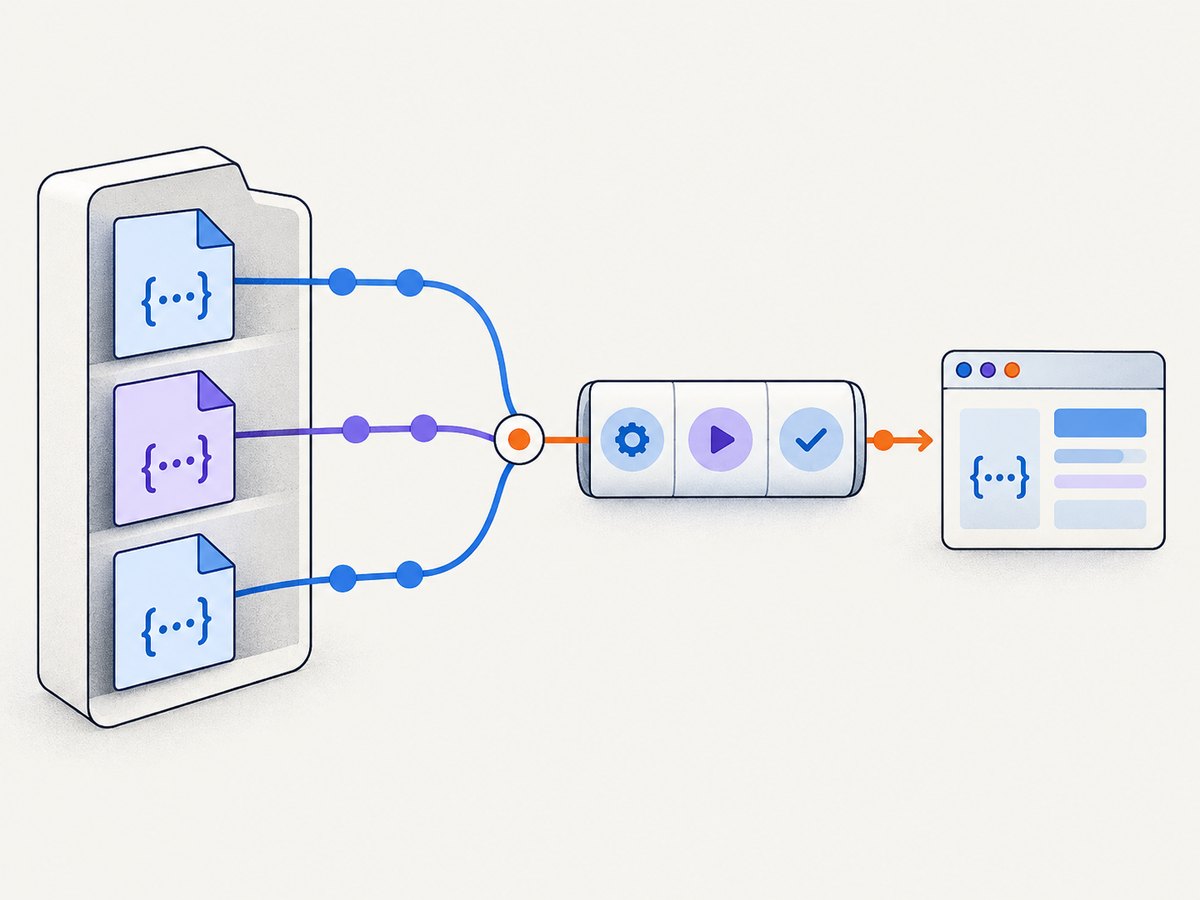
- Export collections and environments, then classify secrets, examples, tests, mocks, and monitors.
- Choose the storage model: repository files, local project, hosted workspace, or self hosted service.
- Map variables and chained values. Confirm syntax differences before bulk conversion.
- Recreate assertions in the destination runner and run them against a disposable environment.
- Move credentials to CI secret storage. Never commit exported tokens.
- Run the new suite in CI beside the old one until failures are explained.
- Document ownership, review rules, schedules, and rollback steps.
Common problems and fixes
| Symptom | Likely cause | Fix |
|---|---|---|
| Requests work in a desktop app but fail in CI | Different DNS, proxy, certificates, or environment variables | Print non secret configuration, install the required CA, and test from the same network class. |
| 401 or 403 after migration | Variable interpolation or token scope changed | Inspect the final request headers with secrets masked and issue a token for the target environment. |
| Localhost is unreachable in a browser client | Browser sandbox or missing extension/desktop bridge | Use the vendor’s desktop bridge, extension, or a local CLI runner. |
| gRPC calls are missing | The chosen tool focuses on HTTP | Use a client with gRPC support, such as Insomnia or Kreya, and verify reflection and streaming needs. |
| Tests pass alone but fail in a suite | Shared mutable state or order dependence | Create isolated fixtures, reset data, and run tests in random order. |
| CI hangs | No request timeout or a streaming connection left open | Set connect and overall timeouts; explicitly close or bound streams. |
| Unexpected plan cost | Usage based services, seats, or changed limits | Read the current vendor pricing page, measure request volume, and set usage alerts. |
Performance, reliability, and cost considerations
Measure the whole workflow, not only client startup. Record DNS, connection, TLS, server, and download timings where your tool exposes them. Parallelize independent tests only when the API and test data can handle the load. Keep retries narrow: retry network resets and selected 5xx responses, but do not hide deterministic 4xx failures. For scheduled suites, save response bodies and correlation IDs so a failure can be reproduced.
Offline files and Git reduce dependency on a hosted workspace, but they move merge and secret management responsibilities to your team. Hosted collaboration reduces setup work but can introduce account, seat, and data residency questions. Browser tools simplify access while adding browser security and network constraints. Recheck prices, free limits, commercial licenses, and included runners at publication time.
Or skip the browser setup
If your API testing workflow also needs repeatable screenshots of documentation, dashboards, or rendered responses, ScreenshotNeo provides a single capture request. It is a website screenshot API and MCP server; it is not a replacement for assertions in your API test runner, but it can remove browser automation from visual checks.
See the ScreenshotNeo API documentation for all options.
curl -G "https://api.screenshotneo.com/v1/shot" -d access_key=YOUR_API_KEY --data-urlencode url=https://stripe.com -o shot.webpimport requests
r = requests.get("https://api.screenshotneo.com/v1/shot", params={"access_key": "YOUR_API_KEY", "url": "https://stripe.com"}, timeout=90)
open("shot.webp", "wb").write(r.content)const q = new URLSearchParams({ access_key: 'YOUR_API_KEY', url: 'https://stripe.com' });
const res = await fetch(`https://api.screenshotneo.com/v1/shot?${q}`);- Cookie banners, newsletter popups, and chat widgets are removed before the shot.
- Bot checks, blank pages, failed loads, timeouts, and cache hits are not billed; response headers identify the page verdict and billing result.
- An MCP server lets Claude, Cursor, and other MCP clients call
take_screenshot,get_page_info, andcapture_pdf. - The free plan includes 1,000 screenshots per month with no card; paid plans start at $5 for 3,000.
Create a free ScreenshotNeo account and start with 1,000 screenshots a month at no charge.
FAQ
What is the best offline Postman alternative?
Bruno and Yaak are the clearest candidates for local first work. Compare their file formats, Git workflow, licensing, and team requirements.
Which alternative is best for CI?
Hurl is purpose built for text based HTTP assertions. Bruno’s CLI, Apidog’s CLI, and Insomnia’s Inso CLI are alternatives when you also need a desktop workflow.
Do all alternatives support gRPC?
No. Protocol coverage differs substantially. Insomnia and Kreya are candidates for gRPC; Hoppscotch’s comparison material explicitly notes no gRPC.
Should a small team self host?
Self hosting can help with network access and control, but it adds upgrades, backups, authentication, and observability. Choose it when those responsibilities are acceptable.
Are these rankings independently tested?
No. The comparison sources are mostly vendor authored and were not hands on tested for this article. Verify current behavior with a representative collection.


