Regression Testing Explained in Simple Terms
Regression testing checks whether a software change broke behavior that used to work. Learn how it differs from retesting, how to choose checks, and when to automate them.
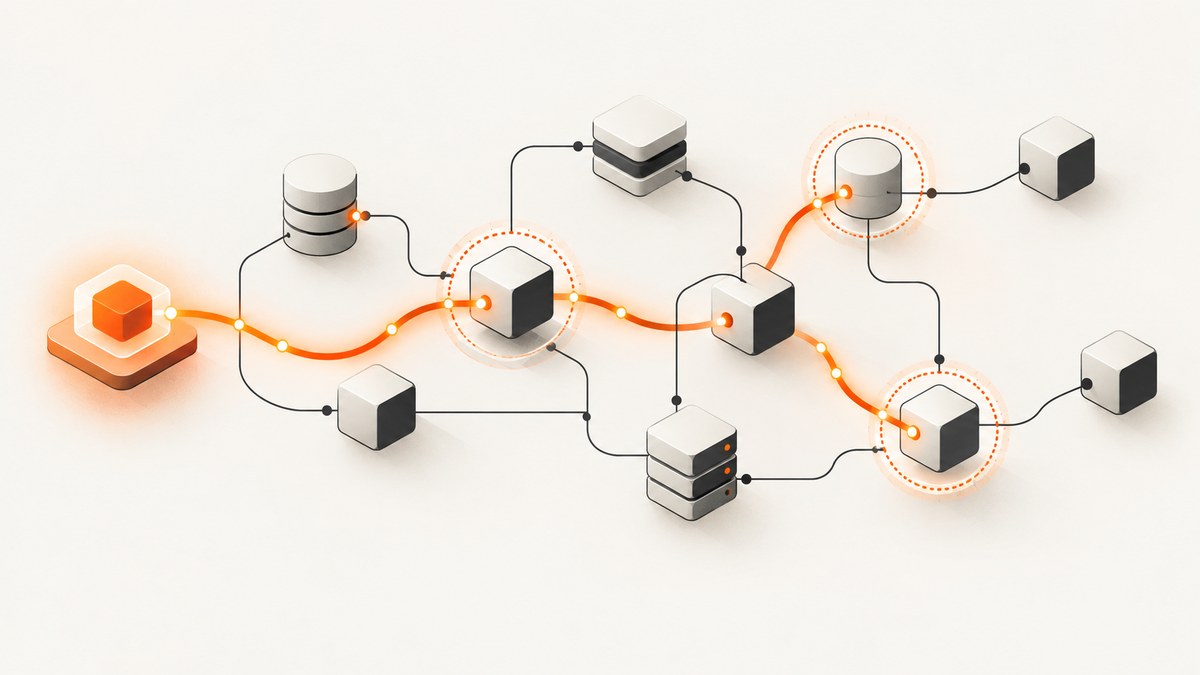
Regression testing checks whether a software change has caused defects in previously tested areas that were not meant to change. In plain terms: after changing one part of an app, check that important things that used to work still work.
It has a different purpose from checking whether the original bug is fixed. That check is called confirmation testing or retesting. A team may need both: first confirm the fix, then check connected behavior for side effects.
There is no universal rule that every change needs the full test suite. Choose a focused or broad run based on the change’s risk, the behavior and coverage involved, how often the checks run, execution time, and the cost of maintaining them. Regression testing can happen at different test levels; the term describes what the test is intended to detect, not a particular testing technique. ISTQB Foundation Level syllabus
1. What regression testing checks
A software change can have effects beyond the code or screen being edited. Shared components, data, configuration, dependencies, and assumptions can connect apparently separate behavior. Regression checks look for unintended effects in functionality that was already tested.
Illustrative example: A team changes checkout tax calculation. A test that checks the corrected tax amount confirms the defect fix. Regression checks might also exercise applying a discount, submitting payment, or viewing an order summary. Those checks ask whether existing checkout behavior still works after the change.
The important point is intent. A test can be a unit test, API test, integration test, or end-to-end test and serve as a regression check if it is being run to detect unintended effects of a modification in previously tested behavior.
2. Regression testing vs. confirmation testing
| Check | Question it answers | Example |
|---|---|---|
| Confirmation testing / retesting | Did the corrective change fix the reported defect? | Does the corrected tax calculation return the expected amount? |
| Regression testing | Did the modification cause an unintended problem elsewhere? | Can checkout still apply a discount and complete payment? |
| Both | Is the original issue fixed, and does related behavior still work? | Run the corrected tax case plus checks for connected checkout flows. |
Passing a confirmation test does not establish that nearby behavior is unaffected. Likewise, a regression run can pass while the original defect remains if the run does not include the failing scenario. Keep the purposes clear when selecting and reporting checks. The ISTQB Foundation sample exam distinguishes confirmation testing from regression testing.
3. When to perform regression testing
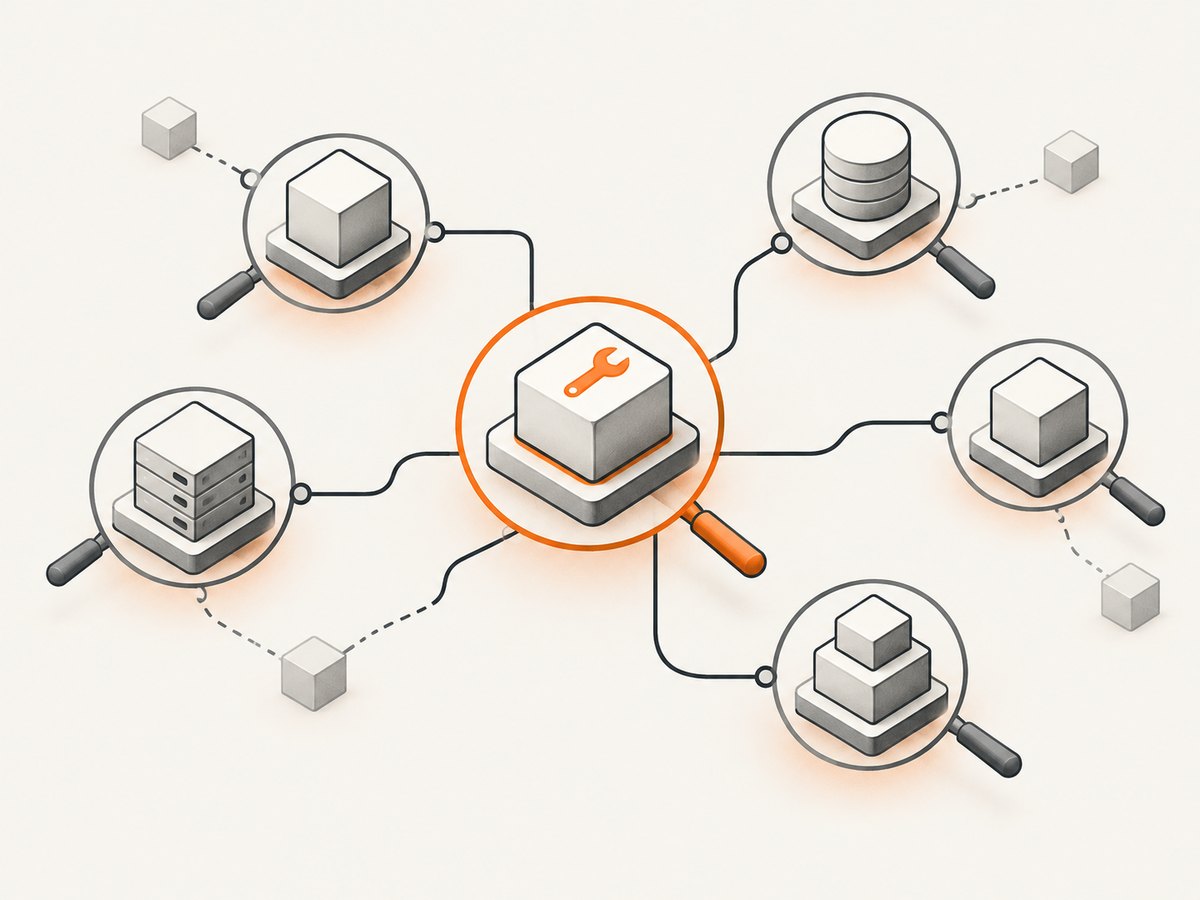
Run regression checks after a change when the team needs evidence that previously working behavior remains intact. Common triggers include a bug fix, a feature change, refactoring, dependency updates, configuration changes, and changes to shared code. The appropriate scope and cadence depend on the product and its risks; there is no single schedule that fits all teams.
A small, isolated change with strong local coverage may justify a focused run first. A change to a shared component, a critical user journey, or a wide set of dependencies can justify broader coverage. Teams also differ in when they run checks: during development, before merging, before release, or at multiple points. Decide based on how quickly the team needs feedback and what risk it can accept.
How much regression testing is enough?
Enough means an intentional set of checks that gives the team useful confidence for the change and its risk, within available time and maintenance capacity. It is not automatically every test in the repository, and it is not merely the test closest to the edited line.
Use these questions to scope the run:
- What behavior changed, and which user or system outcomes depend on it?
- Which previously tested areas share code, data, services, configuration, or assumptions with the changed area?
- How important would a failure in those areas be?
- What does current test coverage actually exercise, and where are the gaps?
- How long will the checks take, and when does the team need the result?
- Can the checks run reliably with their dependencies, data, and preconditions?
These are planning considerations, not a formal scoring formula. Start with the paths most relevant to the change and expand when the connections or consequences warrant it. Record why the run is focused or broad so the decision can be revisited as coverage and risk change.
4. How to choose useful regression checks
Tests are most useful when they cover important behavior connected to the change and can be executed and maintained reliably. The ISTQB Test Automation Engineer syllabus calls out test frequency, execution time, functional overlap, shared data, dependencies, preconditions, and system-under-test coverage when planning regression automation. ISTQB Advanced Level Test Automation Engineer syllabus, 2016
A practical selection process
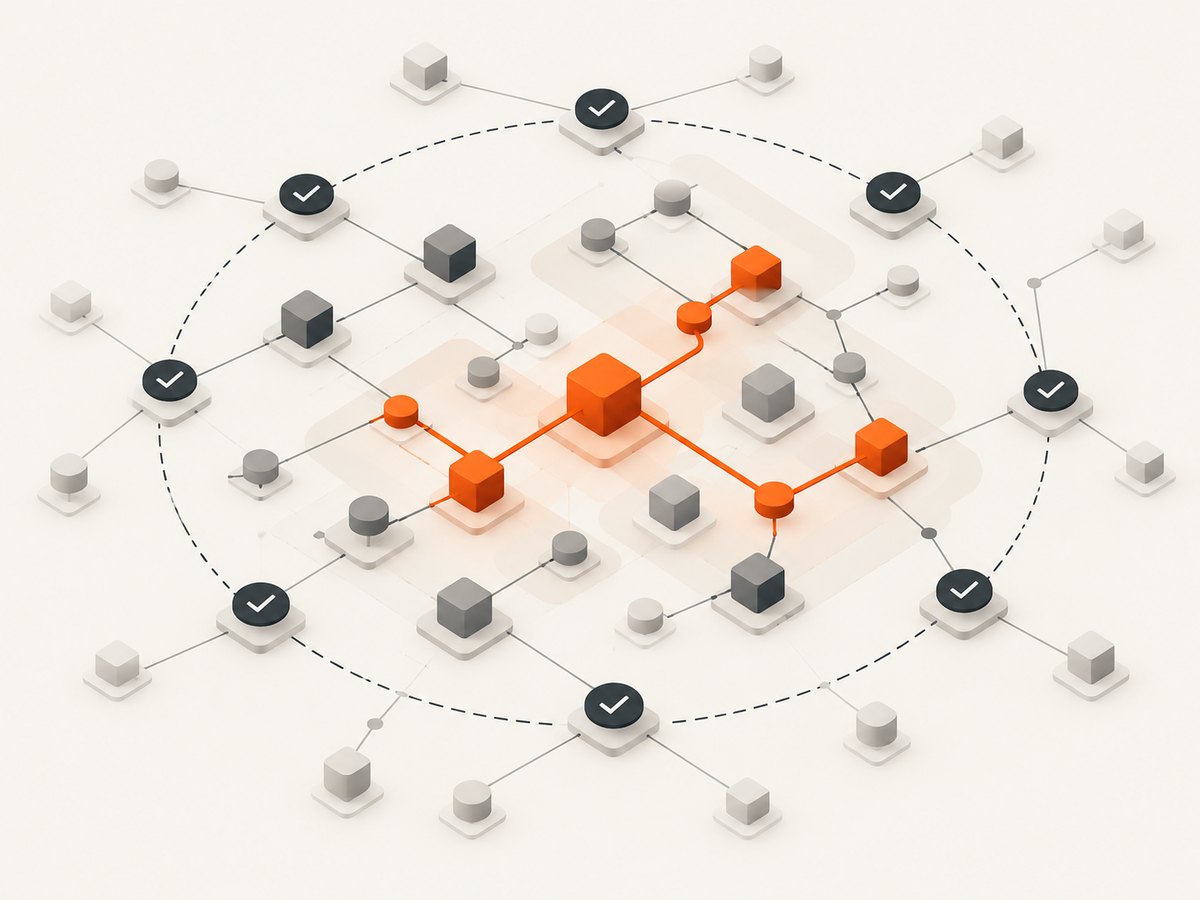
- Describe the change. Identify the changed behavior and the intended result. Include relevant code, data, configuration, and external dependencies.
- Map connected behavior. Follow the affected path into neighboring features and shared services. Ask developers and product owners where the same assumptions or data are used.
- Pick checks by risk and coverage. Include the confirmation check for the original issue, then select regression checks for important connected and unchanged behavior.
- Check the setup. Verify test data, dependencies, preconditions, and environment. A test that cannot reach the behavior it claims to cover gives little confidence.
- Balance overlap and runtime. Several tests may cover nearly identical behavior. Keep useful coverage while considering execution time and the burden of maintaining duplicates.
- Review results and gaps. When a check fails, determine whether it found a product defect, a test problem, or an environment issue. Update the suite when the change reveals a missing or outdated check.
A test bed grows over time: functional checks created for today’s behavior may become useful regression checks after later modifications. ISTQB describes regression testing as a good opportunity for automation, while the planning factors above help teams select what to automate rather than treating automation as an objective in itself.
5. Automating regression checks
Automation can make repeated checks faster to execute and can provide feedback more often. That can help reduce deployment risk, according to the ISTQB Test Automation Engineer syllabus. It does not mean that every test should be automated: a check may be expensive to maintain, redundant, unreliable, or rarely useful.
Consider automation when a check is repeated frequently, takes meaningful time to execute, covers important known functionality, and can be made stable with manageable data and dependencies. Keep human review in the loop for exploratory questions and behaviors that are difficult to assert consistently.
Automation checklist
- Does the test cover a meaningful behavior tied to risk or change impact?
- Can it run with controlled data and explicit preconditions?
- Are its dependencies available and failures diagnosable?
- Does it add coverage beyond similar checks?
- Is its execution time appropriate for when feedback is needed?
- Can the team maintain it as the product changes?
Slow feedback can make a suite less useful at the point where developers need it. Teams can organize checks so quick, relevant feedback arrives early and broader checks run at a cadence that fits their release process. The exact arrangement is a local decision; the syllabus supports considering frequency and execution time, not a universal pipeline design.
6. Common mistakes and troubleshooting
| Symptom or mistake | Likely cause | What to do |
|---|---|---|
| The original bug is fixed, but a related flow fails. | Only confirmation testing ran; regression coverage was missing or too narrow. | Add checks for connected behavior and identify shared dependencies or assumptions. |
| The regression suite passes, but the reported bug remains. | The failing scenario is not included in the regression set, or the test does not assert the relevant outcome. | Run a direct confirmation test for the defect and make its input and expected result explicit. |
| A large test run takes too long for routine feedback. | The suite may contain redundant checks or checks with different urgency are run together. | Review overlap and risk, and arrange feedback so relevant fast checks can run earlier while broader coverage remains available. |
| Tests fail inconsistently across runs. | Shared or uncontrolled data, unstable dependencies, unclear preconditions, or environmental variation may be involved. | Make setup explicit, isolate or reset data where appropriate, and inspect dependencies before treating the failure as a product regression. |
| Many tests fail after one change. | The change may have broad effects, or a shared dependency or environment may be failing. | Group failures by affected behavior, inspect common dependencies, and distinguish product defects from test and environment failures. |
| Every change triggers the full suite, but teams ignore the results. | Run scope and feedback timing may not fit the team’s needs. | Revisit risk, coverage, runtime, and maintenance burden. Define when focused and broader runs are useful. |
| Automated checks are frequently patched just to keep them green. | Assertions may be brittle, preconditions unclear, or tests may duplicate one another. | Review whether each check covers an important outcome and simplify or replace checks that do not provide reliable information. |
A failing regression check is evidence to investigate, not an automatic verdict that the product is broken. First establish that the test reached its intended behavior, used valid data, and had its dependencies. Then determine whether the observed result is an unintended effect of the change.
7. Reliability, execution time, and cost
Regression testing has a practical tradeoff: broader coverage can exercise more connected behavior, while larger runs require more execution time, setup, and maintenance. Narrow runs can return feedback sooner but may miss effects outside the selected paths. Teams should make this tradeoff visible and reconsider it as the product, coverage, and risk evolve.
Reliable checks need clear preconditions and manageable dependencies. Shared test data can make outcomes depend on run order or other activity. Overlapping checks can add runtime without adding much coverage. Unclear setup can make failures difficult to reproduce. The ISTQB automation syllabus identifies these as factors to consider when planning a regression test bed.
Automation has an ongoing cost: writing checks, keeping them aligned with behavior, maintaining test data, and diagnosing failures. Compare that cost with how often a check runs and how useful its feedback is. Do not infer that automating a test guarantees fewer defects or that a larger test count means stronger coverage; the available sources provide no universal figures for those outcomes.
8. Seeing a changed page: screenshots as a supporting check
For web interfaces, a screenshot can help a reviewer inspect visible output after a change. It can support a regression workflow by making a page state easy to compare, but a screenshot alone does not prove that a flow works, that hidden behavior is correct, or that every important state was covered. Pair visual evidence with checks suited to the behavior under test.
For a one-off browser capture, open the page in a browser, set the relevant viewport and state, and capture the result. For repeatable work, document the URL, viewport, authentication or data setup, and any page state needed to make comparisons meaningful.
Or skip the browser setup
ScreenshotNeo is a website screenshot API and MCP server for developers. Its one-call API returns an image or PDF; see the API documentation for parameters. For example, this cURL request captures a page as WebP:
curl -G "https://api.screenshotneo.com/v1/shot" -d access_key=YOUR_API_KEY --data-urlencode url=https://stripe.com -o shot.webpCookie banners, popups, and chat widgets are removed before the shot; bot checks, blank pages, and failed loads are never billed. An MCP server lets AI agents take screenshots. The free plan includes 1,000 screenshots a month with no card, and paid plans start at $5 for 3,000. Sign up for 1,000 free screenshots a month, no card required.
9. Frequently asked questions
Is regression testing the same as testing after every code change?
No fixed cadence follows from the definition. Teams choose when and how broadly to run checks based on coverage, frequency, risk, execution time, and available resources.
Can a manual test be a regression test?
Yes. Regression testing describes the purpose of the check. A manual check can look for unintended effects just as an automated check can.
Does a passing regression suite mean the change is safe?
It means the selected checks passed under their tested conditions. The confidence depends on the suite’s coverage, reliability, and relevance to the change; no test set can establish behavior it does not exercise.
Should teams automate all regression tests?
No. Consider frequency, runtime, overlap, data, dependencies, preconditions, coverage, and maintenance effort. Automate checks when repeated execution and timely feedback justify the ongoing work.
Further learning
For structured study, ISTQB describes a certification scheme built around syllabi, a glossary, sample exams, and a testing body of knowledge. Its Foundation Level provides a broad foundation, and specialist areas include test automation. Certification is not required to understand or apply the ideas in this guide. ISTQB: What We Do


