How to Scrape TikTok in 2026: Official APIs, Research Tools, and Limits
Learn which official TikTok data routes fit research, app development, and user-authorized exports—and what their access limits mean in 2026.
Direct answer: In 2026, do not treat TikTok pages that are publicly viewable as permission to collect them automatically. TikTok’s current US Terms of Service prohibit automated extraction unless TikTok USDS Joint Venture approves it in writing. The permitted route depends on your location, purpose, requested data, and approval: qualifying researchers can apply for Research Tools; app developers can use documented Developer Services; and applications handling an individual user’s data may apply for Data Portability access with that person’s consent. If none of those routes fits, ask TikTok for written permission before collecting data.
This guide explains the official routes and how to plan an approved collection workflow. It does not provide methods for bypassing login, rate limits, bot checks, CAPTCHAs, or other access controls. TikTok’s terms vary by region, so the US terms statement below is specific to TikTok USDS Joint Venture and is not a legal conclusion about every jurisdiction.
1. What “scraping TikTok” means
Developers use “scraping” to describe automated collection of information from a website or service. That broad description can cover very different activities: collecting posts for an academic study, embedding TikTok functionality in an app, or retrieving an individual’s own data with their permission. Those activities do not share one authorization.
The distinction to keep clear is between automated extraction from platform pages and using an official service under its documented access rules. A public profile or video is not, by itself, a grant to copy its content at scale. Nor does a popular third-party scraper library establish that a collection method is allowed.
TikTok’s US terms, last updated July 15, 2026, say users may not “scrape, crawl, export or otherwise extract any data or content in any form, for any purpose, from the Platform using any automated system or software, including automated ‘bots,’ except as approved in writing by TikTok USDS Joint Venture.” This is a US-specific terms clause. Check the terms that apply to your account, location, and service before acting; do not assume the exact US wording applies everywhere. TikTok US Terms of Service.
2. Pick the official route that matches your purpose
| Route | Who it is for | Key boundary |
|---|---|---|
| Research Tools / Research API | Eligible independent or academic researchers with an approved, defined project. | Selected data for approved non-commercial and public-interest research; access and use stay within the approved scope. |
| Developer Services | Developers building an application with documented TikTok functionality. | Use documented endpoints and scopes; data obtained through the services is restricted to developing, maintaining, and supporting the application unless another permission applies. |
| Data Portability API | Applications requesting data on behalf of a TikTok user. | The user logs in and consents. Data Portability and Login Kit each have approval requirements. |
| Written permission | A party seeking a specific automated collection TikTok has expressly approved. | Get the permission and scope directly from TikTok; visibility of content is not a substitute. |
Creators, advertisers, and commercial users are not eligible for Research Tools, according to TikTok’s Research API FAQ. A commercial analytics objective should not be described as academic research to fit that route. Check TikTok’s other documented API access opportunities for your actual application and use case. Research API FAQ.
3. Apply for Research Tools if your project qualifies
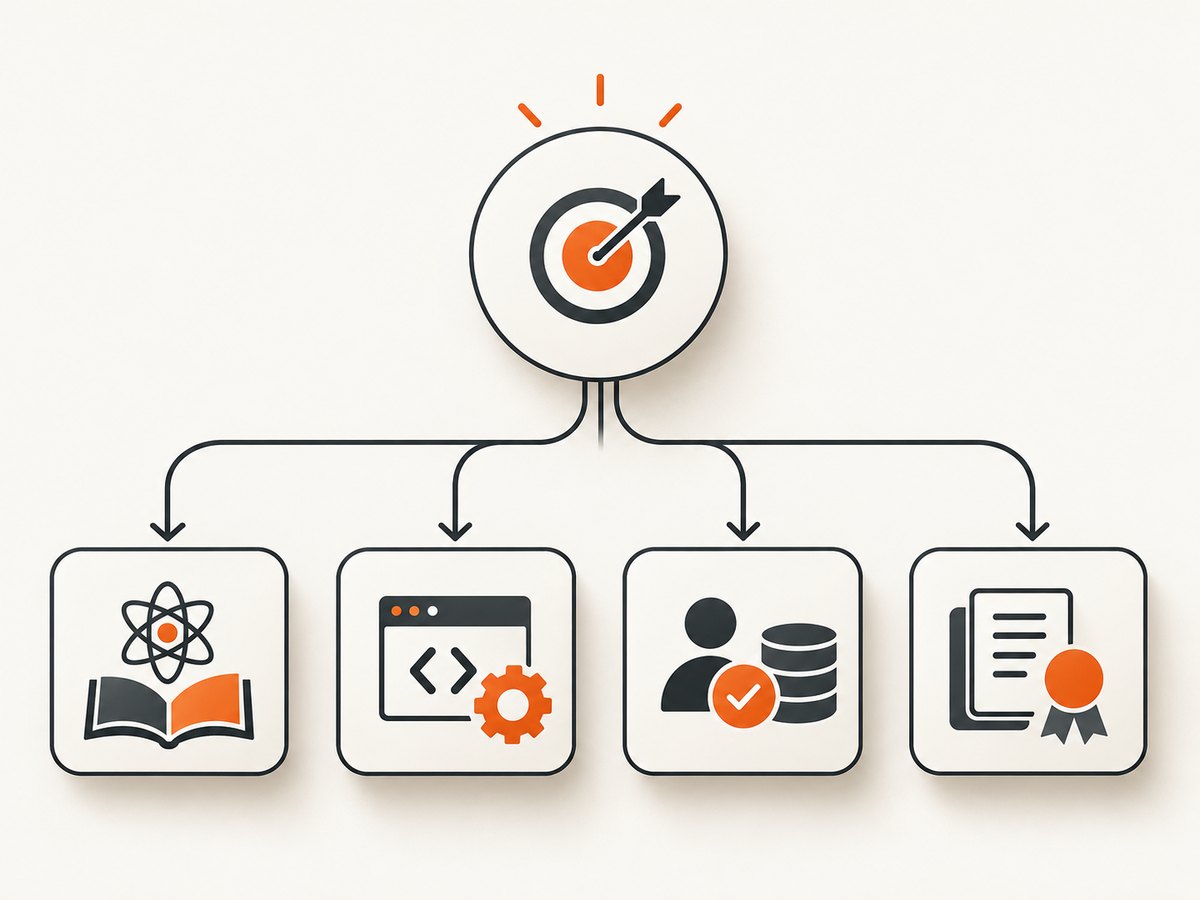
TikTok’s Research Tools are an application-based option, not a feature automatically included with a developer account. TikTok lists eligible researchers in the US, Europe, Canada, and Brazil, subject to location, organization, study, and other conditions. The applicant should have topic and data-analysis expertise, be independent of commercial interests, and be able to conduct non-commercial or public-interest research.
The application asks researchers to disclose funding, explain why requested data is necessary and proportionate, commit to security and confidentiality, and provide evidence of ethical review. PhD candidates must submit an endorsement letter. TikTok says applicants typically hear back within four weeks, though additional time may be needed. Treat that as an estimate rather than a service guarantee. Confirm current eligibility and application requirements on TikTok’s Research Tools page.
Application checklist
- Confirm that your country or region and organization meet TikTok’s current eligibility criteria.
- Write down the research question, population, date range, and fields that answer it.
- Explain why each requested field and record volume is necessary and proportionate.
- Prepare funding disclosures, security and confidentiality plans, and ethical review evidence.
- Submit the application and wait for approval before collecting data.
- After approval, follow only the approved project scope, tool terms, data protection rules, and quotas.
The Research Tools Terms specifically restrict access to data and content through other methods. They say users must “not access any data or TikTok content other than through the TikTok Research Tools,” including scraping or other technical or manual extraction techniques. Research access is not permission to supplement a dataset by scraping platform pages. Read the Research Tools Terms and the current Research API codebook.
4. Know what Research Tools data can and cannot answer
TikTok describes selected public data rather than a complete archive of all platform content. Depending on the tool and approved access, listed fields include:
- Videos viewable by Everyone: likes, comments, voice-to-text, subtitles, creation time, and duration.
- Comments: comment text, likes, replies, and posting time.
- Accounts: bios, profile pictures, liked, reposted, and pinned videos, follower and following totals, and follower/following lists.
Field availability and definitions can change. Consult the current codebook and API reference before designing a study or treating a field as a stable measurement. The list above does not imply access to private content, all videos, or a real-time copy of TikTok.
5. Plan around the published quotas and data lag
TikTok’s Research API FAQ publishes the following limits and freshness notes. They are dated figures, subject to change, and should be checked again before a project begins.
| Research API category | Published limit or lag | Planning implication |
|---|---|---|
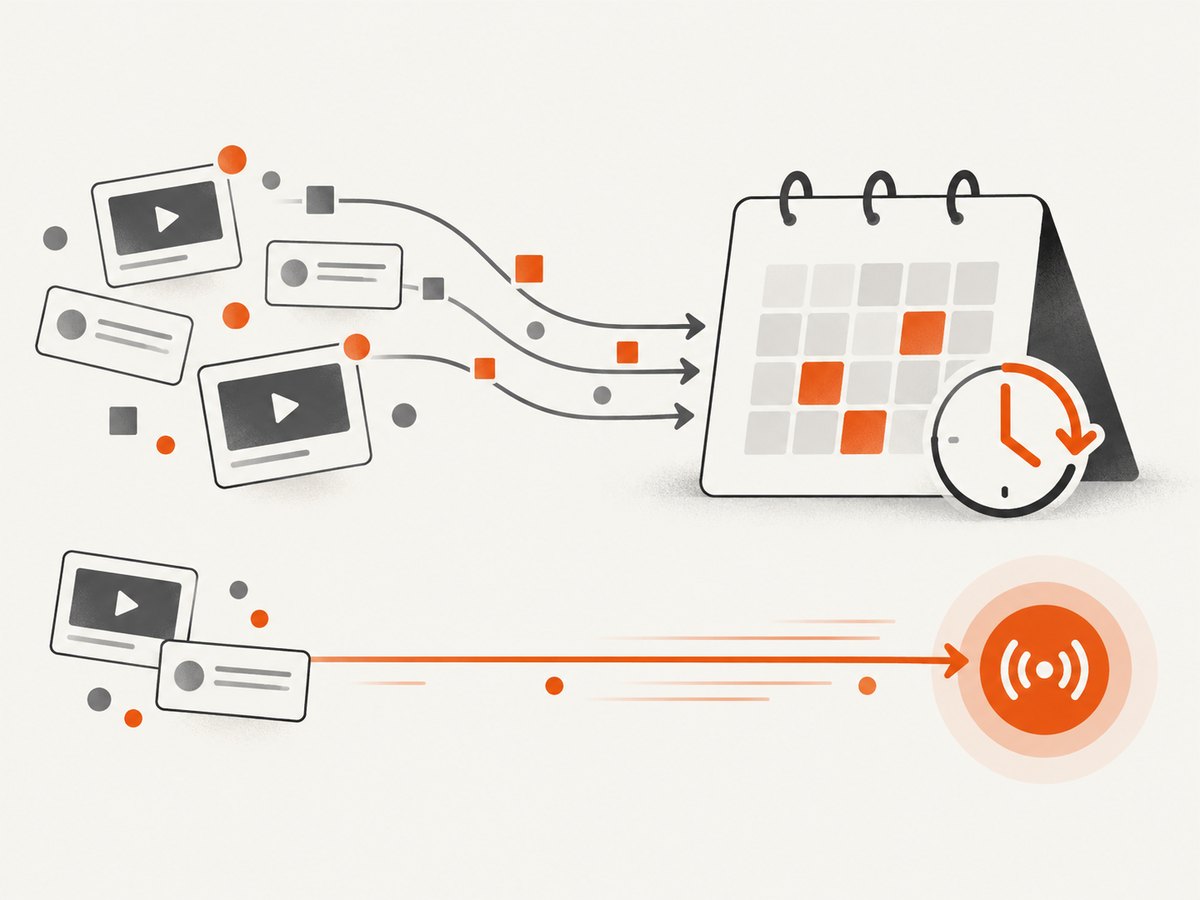
| Video and Comments APIs | 1,000 requests per day and up to 100,000 records per day; up to 100 records per request. | Estimate pages and records in advance, and spread permitted collection across days. |
| Follower/following list APIs | Up to 20,000 calls and 2 million records per day; up to 100 records per call. | Track both calls and returned records against the applicable daily budget. |
| Daily reset | 12:00 AM UTC. | Use UTC in schedulers and quota logs to avoid local time-zone boundary errors. |
| New videos in Research API search | Can take up to 48 hours to appear. | Do not use search results to make same-day completeness claims. |
| View and follower counts | Statistics can take up to 10 days to update. | Record retrieval time and describe metrics as delayed observations. |
Video query searches archived data, so engagement counts in query results may be lower than current live values. These quota and freshness figures are TikTok’s published FAQ values, not promises of complete coverage or real-time accuracy. Build the research design around lag and permitted volume, and record the version/date of the documentation used. See the current Research API FAQ.
6. Use Developer Services for an app integration
If your goal is a product feature—such as enabling a user-authorized TikTok workflow—start with the documented Developer Services that match it. Register the application, identify the required product and scopes, implement the documented authorization flow, and submit the integration for any required review. TikTok’s Developer Terms allow automated interaction with Developer Services only as described in their documentation. Information obtained through those services is restricted to developing, maintaining, and supporting the application unless another permission applies.
- Describe the user-facing feature and determine which official product supports it.
- Request only the scopes needed for that feature and implement the documented consent flow.
- Use the documented API and SDK behavior, including applicable throttling and data-use conditions.
- Submit the app for review where required and keep the integration within the approved use.
- Verify current limits, retention requirements, and permitted data uses in the relevant product documentation and terms.
Live app/API integrations are reviewed; TikTok does not provide an official review timeline or guarantee in the cited materials. Do not plan a launch around an assumed approval date. See TikTok Developer Terms and App Review Guidelines.
7. Use Data Portability for user-directed data access
Data Portability serves applications requesting data on behalf of a TikTok user. The user logs in and gives consent; this is not a general method for collecting data about other users. TikTok states that Data Portability approval and Login Kit approval are separate requirements and estimates three to four weeks for Data Portability application review. Check the current Data Portability API documentation before estimating implementation or review work.
Design the flow so the person understands what information the app requests and why. Request only the data needed for the feature, handle the returned data under the applicable terms and privacy rules, and provide the controls and disclosures your product requires. User consent for portability does not automatically authorize unrelated scraping or reuse.
8. A safe implementation workflow
Before writing a collector, make the authorization and data plan explicit. This reduces wasted engineering effort on a route that cannot be approved or that returns data too late for the use case.
- Write the purpose down. State whether the task is public-interest research, a developer integration, user-directed portability, or another purpose.
- Check jurisdiction and terms. Identify the TikTok service and terms applicable to the account and project. The cited US clause is not a universal legal rule.
- Choose an official access path. Apply for the relevant research or portability product, use documented Developer Services, or obtain written permission for the specific collection.
- Define minimum data. Map each requested field to a concrete requirement. Avoid collecting fields simply because they are available.
- Estimate volume and freshness. Include request and record quotas, resets, indexing delay, and statistics lag in the design.
- Build operational controls. Log request times, returned counts, errors, quota use, and documentation versions. Protect credentials and data, and set retention rules consistent with the approval and applicable obligations.
- Recheck before expanding. A new population, purpose, field, or collection period may fall outside the approved scope. Confirm before expanding access.
9. Troubleshooting official access
| Symptom | Likely cause | What to do |
|---|---|---|
| Research Tools application is unavailable or rejected | Region, organization, independence, study purpose, or required evidence does not meet current eligibility criteria. | Review TikTok’s current criteria and application requirements. Do not relabel a commercial objective as public-interest research. |
| A field is missing from a research result | The field is not exposed by that endpoint, is not available for the record, or falls outside the approved scope. | Check the codebook and endpoint reference; revise the research question or request scope through the proper approval process. |
| Recent videos do not appear | Research search indexing can take up to 48 hours. | Account for indexing lag and avoid claiming same-day coverage. Check documentation for current freshness notes. |
| Counts differ from the live app | Archived query data and delayed statistics can lag live metrics. | Store retrieval timestamps and describe the observed value and its source precisely. |
| Requests or records stop before the expected total | A daily limit, endpoint page size, approved scope, or available-data boundary has been reached. | Inspect the response and quota records, schedule permitted work over time, and do not evade limits with additional accounts or collection methods. |
| Developer app review is taking longer than planned | TikTok does not state an official review timeline or guarantee in the cited guidance. | Keep the launch plan flexible, monitor the official developer console, and avoid shipping an undocumented workaround. |
| Data Portability works for one app feature but not another | Approval, consent, and data use are bounded by the product and requested scope. | Check the separate Login Kit and Data Portability approvals and request only the scope for the additional feature. |
10. What to do when official access does not fit
Do not replace a denied or unavailable official route with a browser bot, an unofficial package, or a proxy-based workaround. For the US service, the terms expressly make written TikTok approval the exception to the automated-extraction restriction. Ask TikTok whether it can authorize the specific purpose, fields, volume, and duration; retain the approval and follow its limits. If the project cannot obtain an applicable permission, redesign it around data you are authorized to use.
For a project that only needs a visual record of a page you are authorized to access, a screenshot is different from a structured data export: it captures a rendered view rather than a dataset. Screenshots do not grant permission to access TikTok or reuse its content, and they are not a substitute for an approved API when structured data is required.
Or skip the browser setup
For authorized visual capture workflows, ScreenshotNeo is a website screenshot API and MCP server from Yorker Media. It takes one GET request with a URL and returns PNG, JPEG, WebP, or PDF. It captures rendered pages; it does not scrape TikTok data or grant access to TikTok content. Use it only for pages and purposes you are authorized to access.
The example below captures an authorized public page as WebP. See the ScreenshotNeo API docs for request options and formats.
curl -G "https://api.screenshotneo.com/v1/shot" -d access_key=YOUR_API_KEY --data-urlencode url=https://stripe.com -o shot.webpimport requests
r = requests.get("https://api.screenshotneo.com/v1/shot", params={"access_key": "YOUR_API_KEY", "url": "https://stripe.com"}, timeout=90)
open("shot.webp", "wb").write(r.content)const q = new URLSearchParams({ access_key: 'YOUR_API_KEY', url: 'https://stripe.com' });
const res = await fetch(`https://api.screenshotneo.com/v1/shot?${q}`);ScreenshotNeo accepts cookie and consent banners like a visitor and removes 60+ known consent platforms, newsletter popups, and chat widgets before capture; each step can be turned off. Bot checks/CAPTCHAs, blank pages, timeouts, failed loads, and cache hits cost nothing, and response headers report the page verdict and billing status. It also offers an MCP server with take_screenshot, get_page_info, and capture_pdf for Claude, Cursor, and other MCP clients. The free plan includes 1,000 screenshots per month with no card; paid plans start at $5 for 3,000 screenshots. Plans include every feature. For collection that needs to run at scale, review the docs for async jobs, bulk capture, caching, and usage reporting.
Sign up for 1,000 free screenshots a month, with no card required.
FAQ
Does public visibility mean a TikTok video can be scraped?
No. Public visibility alone does not establish permission for automated collection. Check the terms that apply and use an official approved route or get written permission.
Can a normal developer account use Research Tools?
A developer account alone does not qualify a person for Research Tools. Applicants must meet the research eligibility conditions and receive approval for a defined project.
Can a company use the Research API for commercial analytics?
TikTok’s FAQ says commercial users are not eligible for Research Tools. Check documented Developer Services or another product that fits the commercial use case and its approval requirements.
Are Research API results real-time?
No. TikTok documents indexing and statistics delays, and archived query counts can differ from live values. Treat them as time-stamped observations.
Does ScreenshotNeo retrieve TikTok’s underlying data?
No. ScreenshotNeo renders an authorized page into an image or PDF. It is not a TikTok data API and does not confer permission to collect or reuse TikTok content.
Sources and currency
Terms, eligibility rules, API fields, quotas, and review processes can change. The dated Research API figures in this guide reflect TikTok’s published FAQ as reviewed September 29, 2026; verify the linked official documentation before submitting an application or building against a limit.