How to Build Scalable Web Scrapers
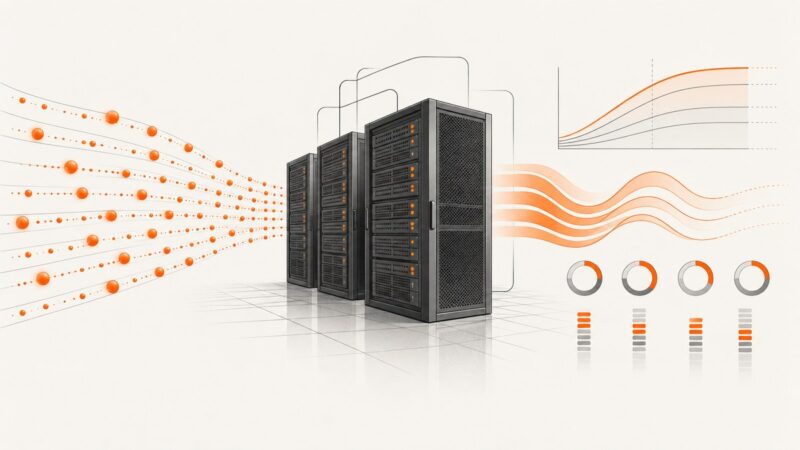
Scale web scrapers safely with measurement, per-domain limits, AutoThrottle, partitioned workers, durable queues, and practical Scrapy patterns.
Puppeteer, Playwright, Selenium and headless Chrome, and what they take to run well.
Scale web scrapers safely with measurement, per-domain limits, AutoThrottle, partitioned workers, durable queues, and practical Scrapy patterns.
Choose and pin the right headless-browser Docker image for Playwright, Puppeteer, Browserless, CI, production, and arm64 deployments.
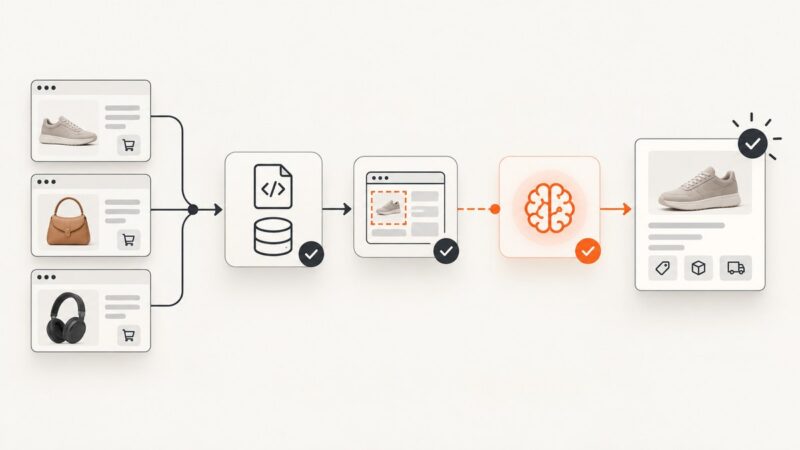
Extract product data reliably by checking structured data and APIs first, then using selectors and an LLM only as a validated fallback.
Text fitting makes exact words readable and well placed in generated images. Learn why AI garbles text and how to build reliable layouts.
Large-scale research shows why a proxy list’s live count is a poor guide to scraping success. Learn how to test reliability, integrity, security, and real cost.
Build layered website monitoring that checks user journeys, public endpoints, alerts, and the monitoring chain itself—with runnable Prometheus examples.
Build a website chat interface with a server-side LLM endpoint, streamed replies, practical security controls, and clear privacy choices.
Compare financial data providers by coverage, latency, history and licensing, then build a reproducible dataset with revisions, lineage and quality checks.
Build a production MCP server in Python or TypeScript, choose the right transport, secure it, and deploy stateless Streamable HTTP.
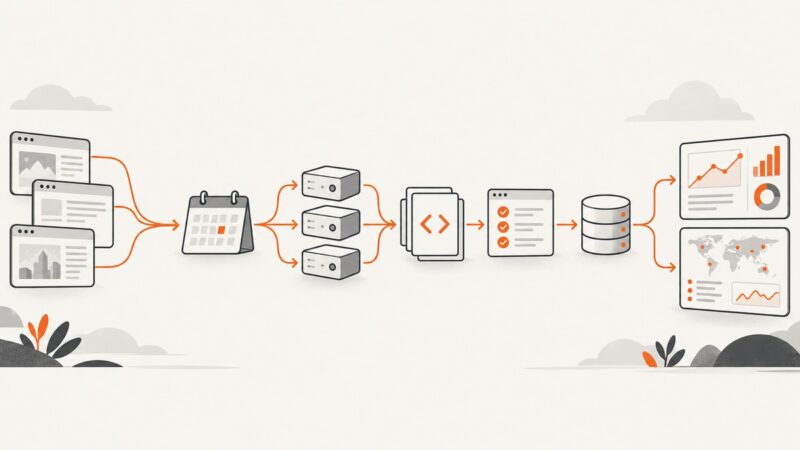
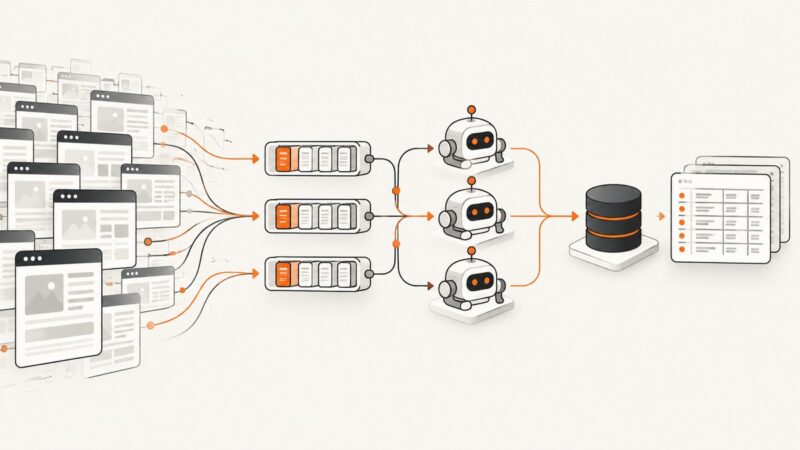
Design a reliable scraping pipeline with scheduling, parsing, storage, retries, browser rendering, observability, and practical Scrapy code.
Understand BrainpoolP256r1 support in TLS 1.2 and 1.3, what its security status means, and how to check your exact TLS implementation.
Learn the lawful ways to collect Zillow data at scale, from approved APIs and metrics downloads to reliable ingestion architecture.
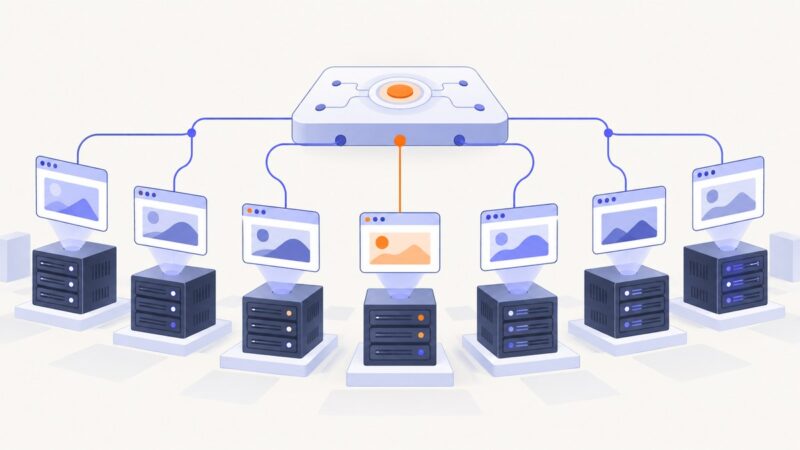
Design isolated browser sessions, route them safely, size capacity with measurements, and scale Playwright or Selenium Grid without state collisions.
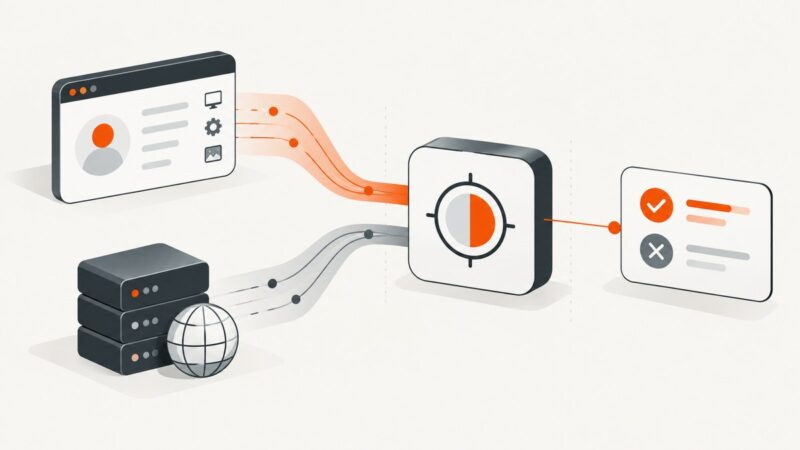
Test browser fingerprint and proxy signals separately, then together. Use repeatable Playwright profiles, compare detector telemetry, and account for what emulation cannot change.
Learn to measure web server throughput, latency percentiles, errors, and resource use with a controlled workload using k6, JMeter, or ApacheBench.
Learn why screenshots change or miss content, how to trace rendering problems, and how to make automated captures stable and repeatable.
Use Inngest steps to checkpoint browser work, retry failures safely, and make Playwright session state and cleanup explicit.
Learn how browser automation scripts control real browsers, how to scale sessions safely, and when a screenshot API is a better fit.