BlogScreenshots on your device
Chrome Screenshot Shortcuts: Capture Any Webpage
Use Chrome DevTools shortcuts to capture a viewport, selected area, or full webpage, then automate clean screenshots with ScreenshotNeo.
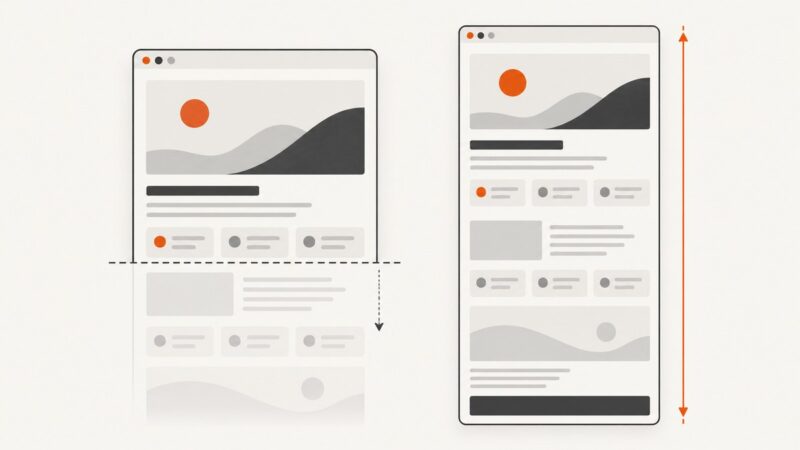
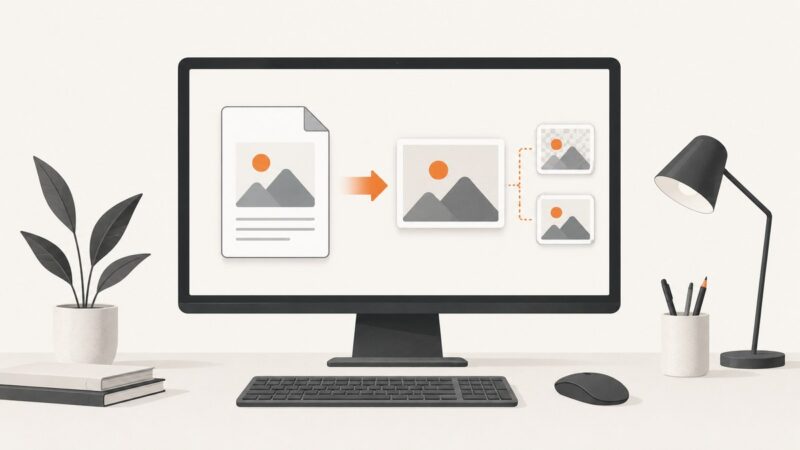
Direct answer: Chrome has no single documented key that instantly captures an entire webpage. Open DevTools, press Ctrl+Shift+P on Windows/Linux/ChromeOS or Command+Shift+P on macOS, type screenshot, then choose a capture command. Use Capture a full size screenshot for the whole page, Capture screenshot for the visible viewport, or Capture area screenshot for a selected region.
Quick shortcut reference
| Task | Windows/Linux/ChromeOS | macOS |
|---|---|---|
| Open DevTools | Ctrl+Shift+J or F12 | Command+Option+I |
| Open the DevTools Command Menu | Ctrl+Shift+P | Command+Shift+P |
| Find screenshot commands | Open the Command Menu and type screenshot |
|
The DevTools Command Menu shortcut opens a command palette; it is not itself a screenshot command. Chrome’s official documentation describes the menu and its screenshot actions in Run commands in the Command Menu. The distinction between viewport and full-size capture is documented in Device Mode. Chrome’s browser shortcut reference is at Chrome keyboard shortcuts.
Capture a screenshot in desktop Chrome
1. Open the page
- Open the webpage in desktop Chrome.
- Wait for the content you need to appear. If the page loads content while you scroll, a full-size capture may depend on that page’s loading behavior.
2. Open DevTools
Press Ctrl+Shift+J or F12 on Windows/Linux, or Command+Option+I on macOS. You can also open DevTools from Chrome’s menu.
3. Run the screenshot command
With DevTools focused, press Ctrl+Shift+P on Windows/Linux/ChromeOS or Command+Shift+P on macOS. Type screenshot; then select the command that matches your goal.
Choose the right capture mode
| Mode | What it includes | Use it for |
|---|---|---|
| Capture screenshot | The current visible viewport | Recording what is on screen now |
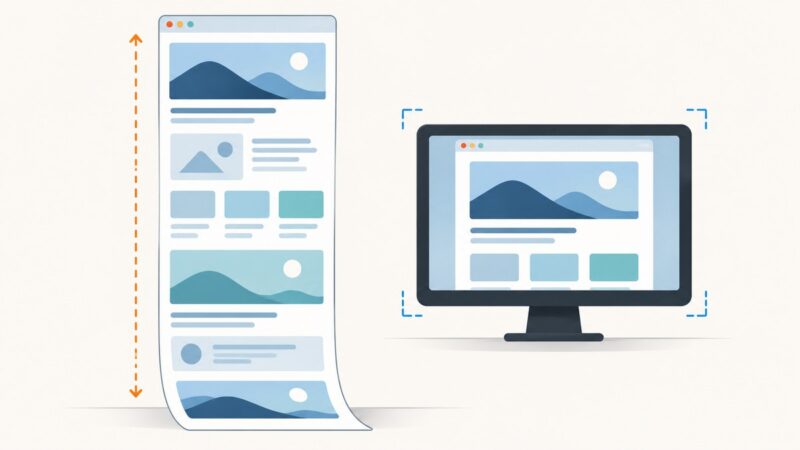
| Capture full size screenshot | The page beyond the visible viewport | Long articles, landing pages, and complete documents |
| Capture area screenshot | A rectangle you drag around a region | One component or a selected portion of the page |
Viewport screenshot
Choose Capture screenshot when only the visible browser viewport matters. The output reflects the current viewport dimensions, zoom, and responsive layout.
Full-page screenshot
Choose Capture full size screenshot to include content outside the viewport. This is Chrome’s built-in option for a whole webpage. For responsive results, enable Device Mode first, choose a device or set a custom viewport, and then run the full-size command. Device Mode also documents an optional device frame when frame display is enabled.
Area screenshot
Choose Capture area screenshot, then drag over the region to save. Chrome’s Command Menu documentation notes that area capture does not work when DevTools is undocked, so dock DevTools before using this command.
Use Device Mode for mobile and custom sizes
- Open DevTools and toggle Device Mode from the toolbar.
- Select a device preset or enter custom width and height.
- Set the device pixel ratio when you need a higher-density image.
- Reload the page if its responsive layout changes only during navigation.
- Open the Command Menu and choose the viewport, full-size, or area screenshot command.
A full-size capture follows the emulated viewport’s layout. This makes Device Mode useful for checking mobile navigation, breakpoints, and pages that render differently at narrow widths.
What Chrome’s shortcut workflow does not solve
- Cookie banners and popups: DevTools captures whatever the page displays. Dismiss overlays manually before capturing.
- Lazy-loaded content: Some pages load images only after scrolling. If content is missing, scroll through the page first and capture again.
- Authentication: The capture uses your current browser session and permissions.
- Repeated or automated jobs: Keyboard shortcuts are interactive and do not provide a request API, retry policy, or batch operation.
- Very long pages: Large dimensions can produce large files or expose page-specific rendering limits.
Reliable full-page capture checklist
- Close transient menus, notification prompts, and chat panels.
- Set the intended viewport before loading the page.
- Wait for fonts, images, and client-rendered sections.
- Scroll through pages that lazy-load content, then return to the top.
- Use full-size capture instead of stitching viewport screenshots manually.
- Open the downloaded file and inspect the bottom of the page for missing sections.
- For repeatable work, record the viewport and page state used.
Troubleshooting Chrome screenshot shortcuts
| Problem | Likely cause | Fix |
|---|---|---|
| Nothing happens when pressing Ctrl/Command+Shift+P | DevTools is not focused, or the browser intercepted the key | Open DevTools, click inside it, and run the shortcut again. Use DevTools’ menu and choose Run command if needed. |
| No screenshot commands appear | The search term or command palette is wrong | Type screenshot in the DevTools Command Menu, not the page’s address bar. |
| The image contains only the visible area | Viewport capture was selected | Run the command again and choose Capture full size screenshot. |
| Area capture is unavailable | DevTools is undocked | Dock DevTools, reopen the Command Menu, and select area capture. |
| Images or sections are missing | Lazy loading or client-side rendering has not completed | Wait, scroll through the page to trigger loading, then capture again. |
| Mobile layout is wrong | Device Mode or viewport was changed after the page loaded | Set the device and dimensions first, then reload and capture. |
| A popup covers the content | The page displayed an overlay | Close it manually, or use a capture workflow that can hide selectors before rendering. |
Performance, reliability, and file considerations
Viewport captures are usually the simplest because Chrome renders only what is visible. Full-size captures require Chrome to represent the page beyond the viewport, so very long or script-heavy pages can take longer and create larger files. A consistent viewport, completed loading, and a documented page state improve repeatability. For one-off work, the DevTools workflow is sufficient; for scheduled, bulk, or server-side capture, use an API designed for those jobs.
Or skip the browser setup
ScreenshotNeo provides a single GET request for a PNG, JPEG, WebP, or PDF. Its capture options include full-page screenshots with lazy images loaded, custom viewports and device presets, retina scale, element selection, dark mode, custom CSS and JavaScript, click actions, waits, blocked resources, cookies, headers, user agents, timezone, geolocation, caching, signed links, asynchronous jobs, webhooks, bulk capture, and PDF settings. See the ScreenshotNeo API documentation for parameter details.
curl -G "https://api.screenshotneo.com/v1/shot" \
  -d access_key=YOUR_API_KEY \
  --data-urlencode url=https://stripe.com \
  -o shot.webp
import requests
r = requests.get(
"https://api.screenshotneo.com/v1/shot",
params={"access_key": "YOUR_API_KEY", "url": "https://stripe.com"},
timeout=90,
)
r.raise_for_status()
open("shot.webp", "wb").write(r.content)const q = new URLSearchParams({
access_key: 'YOUR_API_KEY',
url: 'https://stripe.com'
});
const res = await fetch(`https://api.screenshotneo.com/v1/shot?${q}`);
if (!res.ok) throw new Error(`HTTP ${res.status}`);
const body = Buffer.from(await res.arrayBuffer());
require('fs').writeFileSync('shot.webp', body);Cookie banners, newsletter popups, and chat widgets are removed before the shot; bot checks, blank pages, timeouts, failed loads, and cache hits are not billed. Each response identifies the result with X-Page-Verdict and X-Billed headers. ScreenshotNeo also includes an MCP server so Claude, Cursor, and other MCP clients can use take_screenshot, get_page_info, and capture_pdf. The Free plan includes 1,000 screenshots per month with no card; paid plans start at $5 for 3,000 shots, and every feature is available on every plan. Create a free ScreenshotNeo account.
FAQ
Is there a one-key Chrome shortcut for a full webpage?
Chrome documents a DevTools Command Menu workflow rather than a single full-page screenshot key. Open DevTools, run the screenshot command, and choose full size.
What is the difference between Ctrl+Shift+I and Ctrl+Shift+P?
The Command Menu uses Ctrl+Shift+P on Windows/Linux/ChromeOS and Command+Shift+P on macOS. Use the documented DevTools-opening shortcut for your platform, then run the command palette.
Can Chrome capture only one element?
The built-in area command captures a rectangle. For a CSS-selected element and repeatable automation, use an API or browser automation workflow that supports element selectors.
Can I save a webpage as PDF instead?
Use Chrome’s print flow for a manual PDF. For API-driven PDF output with page size, margins, orientation, and page ranges, ScreenshotNeo provides PDF capture options.