BlogScreenshots on your device
How to Take a Screenshot on a Chrome Computer
Capture your Chromebook screen in full, in a window, or by region with built-in shortcuts. Learn where screenshots save and how to fix common problems.
Quick answer: Press Ctrl + Show windows for a screenshot, or Shift + Ctrl + Show windows to open capture controls. On Chromebooks with a dedicated Screenshot key, press that key instead. Choose full screen, partial area, or a single window. The image normally appears in Downloads and is also copied to your clipboard.
These instructions use ChromeOS’s built-in Screen Capture tool, so no extension or separate app is required. Google documents the same controls in its Chromebook Help.
Choose the right screenshot method
| What you need | Use | Shortcut or control |
|---|---|---|
| Everything visible on the display | Full-screen screenshot | Ctrl + Show windows |
| A specific part of the display | Partial screenshot | Shift + Ctrl + Show windows, then drag |
| One application window | Window screenshot | Open Screen Capture and select Window |
| Tablet mode | Hardware shortcut | Power + Volume down |
Take a full-screen screenshot
- Display the page or app you want to capture.
- Press Ctrl + Show windows. The Show windows key looks like a rectangle with two vertical bars and is usually above the number row.
- ChromeOS captures the entire display immediately.
- Open the Files app and select Downloads to find the image.
If your Chromebook has a dedicated Screenshot key, pressing it opens the capture toolbar. Select Screenshot, then Full screen.
Capture part of the screen
- Press Shift + Ctrl + Show windows.
- In the toolbar, choose Screenshot and then Partial (the region icon).
- Click and drag around the area to keep. Adjust the corners before releasing.
- Release the trackpad or mouse button. ChromeOS saves the selected region.
This is useful for cropping out tabs, notifications, or private information before you share an image.
Capture one window
- Open Screen Capture with the dedicated key or Shift + Ctrl + Show windows.
- Choose Screenshot, then Window.
- Move the pointer over the window you want. ChromeOS highlights it.
- Click the highlighted window to save only that window.
Window capture is preferable when you want a clean app image without the rest of the desktop.
Open Screen Capture without a shortcut
- Open Settings.
- Search for Screen Capture, or open the Screen Capture control from the system shelf.
- Choose Screenshot.
- Select Full screen, Partial, or Window and complete the capture.
ChromeOS labels can vary slightly by version and device. If a shortcut does nothing, use Settings or the shelf control.
Find, copy, edit, and share the file
- Find it: Open Files → Downloads. You can change the destination folder in Screen Capture settings.
- Copy it: ChromeOS automatically copies a screenshot to the clipboard. Paste it into email, chat, a document, or an editor with Ctrl + V.
- Open it: Double-click the file in Downloads to use the built-in image viewer.
- Rename or move it: In Files, right-click the image and choose Rename or Cut, then select another folder.
- Share it: Attach the PNG from Downloads, or paste the clipboard copy directly into an app that accepts images.
Chromebook tablets, external keyboards, and accessibility
Tablet mode
Press Power + Volume down to capture the screen. You can also hold the Power button and choose Screen capture, or tap the time in the system tray and select Screen capture.
External keyboard without Show windows
Google’s Chromebook screenshot help lists Ctrl + Shift + F5 as an alternative on keyboards that do not include Show windows.
Stylus
On supported touchscreen devices, open the Stylus menu and choose Capture region for a selection or Capture screen for the full display.
ChromeVox
Press Shift + Ctrl + Show windows, use Tab to move through capture types, and follow the screen-reader prompts. The built-in controls work without a mouse.
Privacy and quality checklist
- Close or hide password fields, private messages, and notification previews.
- Use Partial or Window capture when the entire desktop is unnecessary.
- Check the image at full size before publishing; small text may be unreadable after resizing.
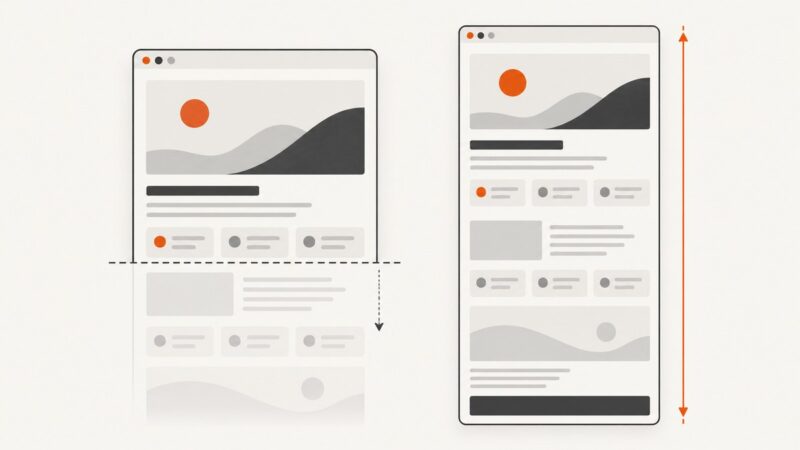
- Remember that a screenshot is a static image. It does not include links, selectable text, or page scrolling.
Troubleshooting
| Problem | Likely cause | Fix |
|---|---|---|
| Nothing happens when I press the shortcut | The key combination is wrong for the keyboard layout, or another app has captured it. | Use Settings → Screen Capture, try the dedicated Screenshot key, or use Ctrl + Shift + F5 on an external keyboard. |
| I cannot find the screenshot | The save folder was changed. | Open Files and search for recent PNG files. Check the Screen Capture settings for the selected folder. |
| The screenshot is black | Protected video or app content may block screen capture. | Capture ordinary page content or check the app’s own export controls. ChromeOS cannot bypass protected content. |
| The wrong window was captured | The pointer was over another window when you clicked. | Repeat Window capture and click the highlighted target, or use Partial capture. |
| The image is blurry | The source was displayed at low scale or the image was enlarged after capture. | Capture at the display’s native size and avoid enlarging a compressed copy. |
| The clipboard paste is empty | The destination app does not accept image clipboard data, or the clipboard was overwritten. | Paste into an image-capable app or attach the saved file from Downloads. |
Or skip the browser setup
If you need screenshots of web pages in a script, build pipeline, or AI workflow, ScreenshotNeo provides a one-call website screenshot API. It can return PNG, JPEG, WebP, or PDF and supports full-page and element captures, device presets, custom viewports, dark mode, retina scale, waits, custom CSS and JavaScript, hidden selectors, cookies, headers, user agents, geolocation, blocking rules, caching, signed links, async jobs, bulk capture, and an MCP server for AI agents. See the ScreenshotNeo API documentation for all options.
curl -G "https://api.screenshotneo.com/v1/shot" -d access_key=YOUR_API_KEY --data-urlencode url=https://stripe.com -o shot.webpimport requests
r = requests.get("https://api.screenshotneo.com/v1/shot", params={"access_key": "YOUR_API_KEY", "url": "https://stripe.com"}, timeout=90)
open("shot.webp", "wb").write(r.content)const q = new URLSearchParams({ access_key: 'YOUR_API_KEY', url: 'https://stripe.com' });
const res = await fetch(`https://api.screenshotneo.com/v1/shot?${q}`);Cookie banners, newsletter popups, and chat widgets are removed before the shot. Bot checks, blank pages, timeouts, failed loads, and cache hits are not billed, and response headers identify the page verdict and billing status. An MCP server lets AI agents take screenshots. The Free plan includes 1,000 screenshots each month with no card; paid plans start at $5 for 3,000. Create a free ScreenshotNeo account.
FAQ
Where are Chromebook screenshots saved?
Downloads is the default location. Screen Capture settings can use another folder.
Can I screenshot a scrolling web page?
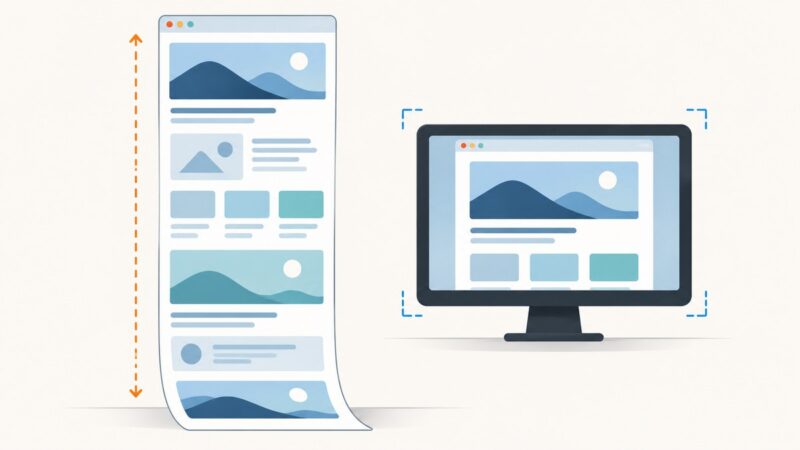
The built-in tool captures the visible display. For a complete webpage image, use a web capture service such as ScreenshotNeo’s full-page option.
What format does ChromeOS use?
Built-in screenshots are saved as image files, normally PNG.
Does taking a screenshot notify a website?
A normal ChromeOS screenshot captures your local display; websites do not receive a screenshot event from this shortcut.