How to Screenshot Indian News Websites with an AI Agent and MCP
Use Playwright MCP to capture an Indian news page, choose viewport, element, or full-page output, and check the publisher’s terms before saving or sharing it.
To screenshot an Indian news website with an AI agent, connect an MCP-compatible client to Playwright MCP, navigate to the specific article, inspect its accessibility snapshot, then call the screenshot tool with viewport, element, or full-page scope. Playwright MCP requires Node.js 20 or newer and an MCP client. Before automating or reusing a publisher’s content, check that publisher’s current terms and any authorized API, feed, or embed options.
1. Check the publisher’s access and reuse terms
There is no single rule for every Indian news website. The reviewed terms differ: Hindustan Times describes personal, non-commercial viewing and sharing while restricting copying beyond permitted service features and automated access; The Indian Express restricts automated access and addresses storage, AI uses, and circumvention; LiveMint also restricts automated access and points to separate terms for APIs, feeds, widgets, and embeds. These are examples, not a complete survey or a legal conclusion about a particular capture.
Before you automate, identify the exact publisher and page, read its current terms, and look for an authorized API, feed, or embed. Technical access through a browser does not itself establish permission to automate, retain, distribute, train on, or republish the content. The Government of India Copyright Office handbook describes conditional fair-dealing exceptions for purposes including research, study, criticism, review, and news reporting; it does not determine whether a specific screenshot or subsequent use is allowed.
- Hindustan Times terms of use
- The Indian Express terms and conditions
- LiveMint terms of use
- Copyright Office of India handbook
2. Configure Playwright MCP
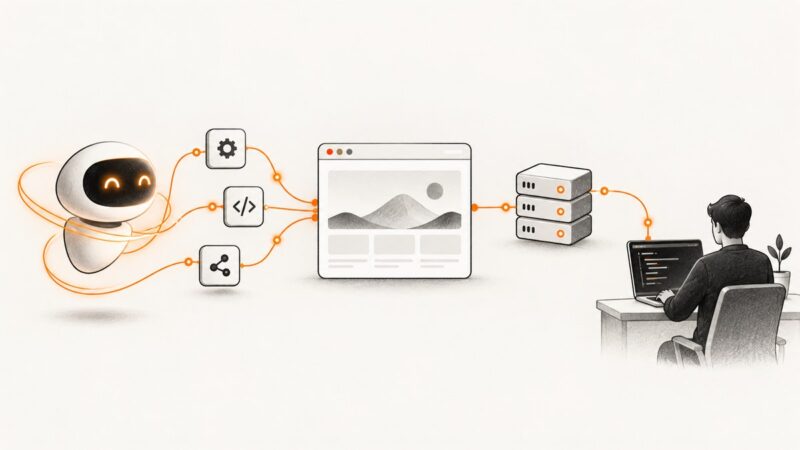
Playwright MCP is a documented way for an AI agent to control a browser and capture pages. Install or run its MCP server from the client’s MCP configuration. The exact configuration file and JSON shape vary by client; use that client’s current MCP setup instructions. Playwright’s documented launch command uses npx @playwright/mcp@latest.
{
  "mcpServers": {
    "playwright": {
      "command": "npx",
      "args": ["@playwright/mcp@latest"]
    }
  }
}
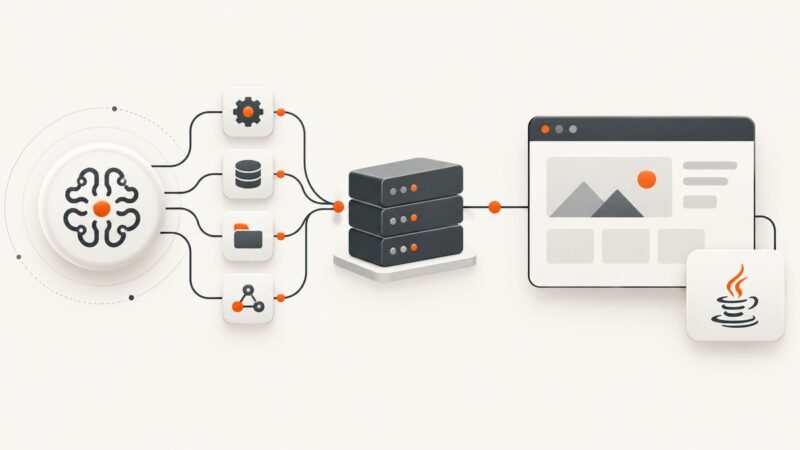
Prerequisites and setup details are in the Playwright MCP project documentation. Ensure Node.js 20 or newer is available to the MCP process, then restart or reload the MCP client so it discovers the server. The server exposes browser tools to the agent; the agent can navigate, inspect the page, and request screenshots through those tools.
3. Navigate, inspect, and capture
- Give the agent the exact article URL and the intended capture scope. For example: “Open this article, inspect its structure, then capture the full page as PNG for my authorized research notes.”
- Ask it to take a fresh accessibility snapshot after navigation. Use the structured snapshot to locate headings, links, and controls, and to understand the page before interacting. Refresh the snapshot after navigation or a page change because earlier references can become stale.
- Ask the agent to call the screenshot tool with the appropriate scope, format, and scale. Save or export the returned image using the MCP client’s supported workflow.
Playwright distinguishes visual screenshots from structured interaction: screenshots are for visual observation, while accessibility snapshots provide page structure and references for locating and acting on elements. See the Playwright screenshot documentation and its MCP documentation.
4. Choose screenshot scope and output
| Option | Use it for | Consideration |
|---|---|---|
| Viewport | The currently visible screen | Content below the fold is not included. |
| Element | A specific article, image, or page region | Choose the target from the current page structure. Element capture cannot be combined with full-page mode. |
| Full page | A long article or page where below-the-fold content matters | Capture includes the page’s full scrollable extent; long or dynamically loaded pages can take longer. |
The screenshot tool supports PNG, JPEG, or WebP and CSS-pixel or device-pixel scale. Choose PNG for crisp text and diagrams, JPEG or WebP where smaller files matter, and device-pixel scale when you need denser output. The available tool parameters are documented in the Playwright MCP reference. A full-page image is a visual record, not a structured or searchable copy of the article.
5. Troubleshoot common problems
| Symptom | Likely cause | What to try |
|---|---|---|
| The client does not show Playwright tools | Incorrect client-specific configuration, server not restarted, or Node.js missing/too old. | Check the client’s MCP configuration format, confirm Node.js 20+, and reload the client. |
| The page is blank or incomplete | Navigation has not finished, the page needs interaction, or content is loaded dynamically. | Wait for the page to settle, take a new accessibility snapshot, and ask the agent to inspect the page state before capturing. |
| The screenshot omits article content | Viewport capture only includes what is visible, or lazy content has not loaded. | Use full-page capture when appropriate; allow the page to load and inspect it before capture. Respect publisher restrictions on automated access. |
| An element target cannot be found | The target reference came from a stale snapshot or the page structure changed. | Refresh the accessibility snapshot and identify the element again. |
| Full-page and element capture conflict | Those scopes cannot be combined in the screenshot tool. | Choose one: capture the whole scrollable page, or target a single element. |
| The output is too large or text is hard to read | The chosen format or scale does not fit the intended use. | Use a suitable format and switch between CSS-pixel and device-pixel scale based on readability and file size needs. |
| The browser refuses access or presents a restriction | The publisher may restrict automated access or require an authorized channel. | Stop and check the site’s current terms and official API, feed, or embed options. Do not try to evade access controls. |
6. Performance, reliability, and output handling
Capture time and output size depend on the page, scope, format, and scale; no fixed duration or file-size guarantee follows from the tool options. Viewport captures generally cover less content than full-page captures. Device-pixel output can preserve more detail but creates more pixels to store and transfer. For repeatable work, use a consistent scope, format, scale, and destination naming scheme, and retain the target URL and capture time alongside the file.
News pages can change after publication, and dynamic elements can affect what appears at capture time. A screenshot records a visual state; it does not prove that the page will remain identical or establish when its content was published. If exact reproducibility matters, document the URL and capture context. Do not repeatedly retry a site that blocks automation; use an authorized access channel.
Or skip the browser setup
ScreenshotNeo is a website screenshot API and MCP server for developers. One GET request returns an image or PDF, and its MCP server lets AI agents use take_screenshot, get_page_info, and capture_pdf. For example, request a WebP screenshot of a page:
curl -G "https://api.screenshotneo.com/v1/shot" \
  -d access_key=YOUR_API_KEY \
  --data-urlencode url=https://www.thehindu.com/ \
  -o shot.webp
See the ScreenshotNeo API documentation for authentication and options. ScreenshotNeo removes cookie banners, popups, and chat widgets before the shot; each cleanup step can be disabled. Bot checks, blank pages, and failed loads are never billed, and response headers report the page verdict and billing status. Check the target publisher’s terms before capturing its content; a screenshot service does not grant permission to automate or reuse it.
ScreenshotNeo includes 1,000 screenshots a month free with no card; paid plans start at $5 for 3,000. Sign up for free.
FAQ
Can an AI agent use the screenshot to click a page control?
Use an accessibility snapshot to locate and interact with page elements. A screenshot is a visual record, not the structured reference for interaction.
Can I use a screenshot in a report or publish it?
That depends on the publisher’s terms, the purpose, and applicable law. Review the specific site’s terms and obtain permission or use an authorized channel where needed.
Does full-page capture work for every news article?
The tool supports full-page capture, but page behavior and publisher access conditions vary. Confirm the page has loaded and follow its terms.
Which format should I choose?
PNG, JPEG, and WebP are supported. Pick based on image fidelity and the file-size needs of your workflow.