BlogScreenshots on your device
How to Screenshot Only Part of the Screen
Capture a selected area on Windows, Mac, or GNOME Linux with built-in shortcuts, then save, copy, annotate, and troubleshoot the result.
Quick answer: use your operating system’s region-capture shortcut. On Windows 10 or 11, press Windows + Shift + S. On macOS, press Shift + Command + 4. In GNOME Linux, press Print, then drag over the area and capture it. Afterward, copy or save the image with the controls for your platform.
This guide explains the exact steps, output locations, selection modes, keyboard controls, common failures, and a browser-based option for developers who need repeatable screenshots of part of a webpage.
Windows 10 and Windows 11
Capture a rectangular area
- Press Windows + Shift + S. The Snipping Tool overlay appears.
- Choose Rectangle if it is not already selected.
- Click and drag around the part of the screen you want.
- Release the mouse button. The snip opens in Snipping Tool for editing, copying, saving, or sharing.
Microsoft documents this shortcut for Windows 10 and Windows 11 in its Snipping Tool instructions.
Use freeform, window, or full-screen modes
- Rectangle: drag a rectangular region.
- Freeform: draw an irregular outline.
- Window: capture one application window.
- Full screen: capture every visible display area.
Copy, save, and annotate
Snipping Tool opens the result after capture. Use Ctrl + C to copy it and Ctrl + S to save it. You can annotate or crop the snip, then use Save as to choose the filename and destination. Snipping Tool settings control its automatic-save behavior.
macOS
Capture a selected portion
- Press Shift + Command + 4. The pointer changes to a crosshair.
- Click and hold, then drag around the required area.
- Release to take the screenshot.
- Press Escape before releasing if you want to cancel.
Apple describes this workflow in Take a screenshot on Mac.
Move the selection or copy it instead of saving
- Hold Space while dragging to move the selection box without changing its size.
- Hold Control with the screenshot shortcut to copy the capture to the clipboard.
- Without Control, macOS saves the screenshot to the desktop by default.
Change the destination and timer
Press Shift + Command + 5 to open the Screenshot app. It provides additional controls such as a save location and timer. Apple says this app is available in macOS Mojave 10.14 and later.
GNOME Linux
Capture a region
- Press the Print key, or open the screenshot control from the system menu.
- When the overlay appears, drag the handles or crosshair around the desired region.
- Click the round capture button.
- Find the image in Pictures/Screenshots, or copy it to the clipboard from the capture controls.
These steps describe GNOME specifically, based on GNOME Help’s screenshot documentation. KDE, Xfce, Cinnamon, and other Linux desktop environments can use different shortcuts and save locations.
Choosing the right selection
| Need | Best mode | Why |
|---|---|---|
| A precise box around content | Rectangle or dragged region | Easy to align with a panel, dialog, or image. |
| An irregular shape | Windows Freeform | Useful when the subject does not fit a rectangle. |
| Everything in one app | Window capture | Avoids manually tracing the window edges. |
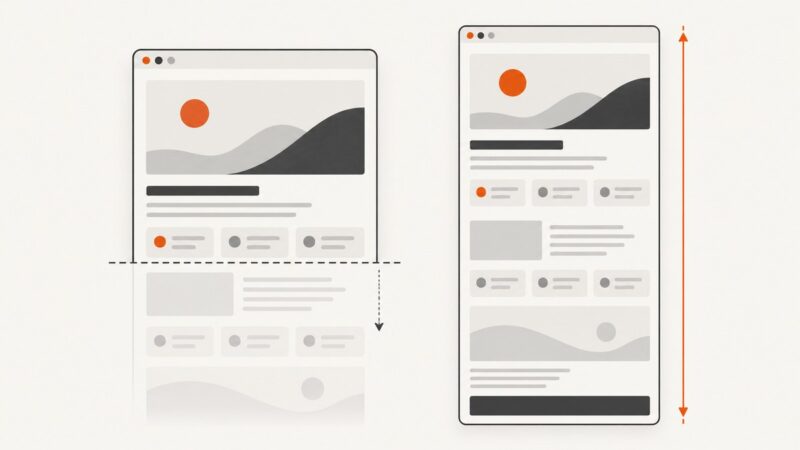
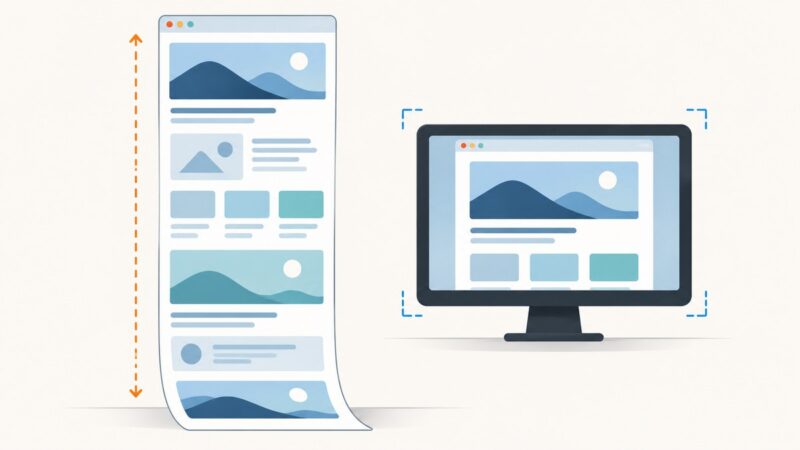
| A webpage that extends below the viewport | Browser or API full-page capture | A desktop region shortcut captures only visible pixels. |
Make the capture clean and accurate
- Zoom the application to a readable size before selecting the region.
- Move the pointer away from the content if the cursor appears in the result.
- Close notifications, menus, and transient tooltips before dragging.
- For a consistent crop, align the selection edges with visible guides or window boundaries.
- On high-DPI displays, inspect the saved image dimensions before placing it in documentation or a bug report.
- Capture a little extra space when shadows or rounded corners might be clipped, then crop during editing.
When you need part of a webpage repeatedly
Desktop shortcuts capture what a person can currently see. They are not ideal for automated jobs, responsive viewport checks, scheduled captures, or a page element that moves as the page loads. For those cases, a browser screenshot API can render the URL and select an element by CSS selector.
Or skip the browser setup
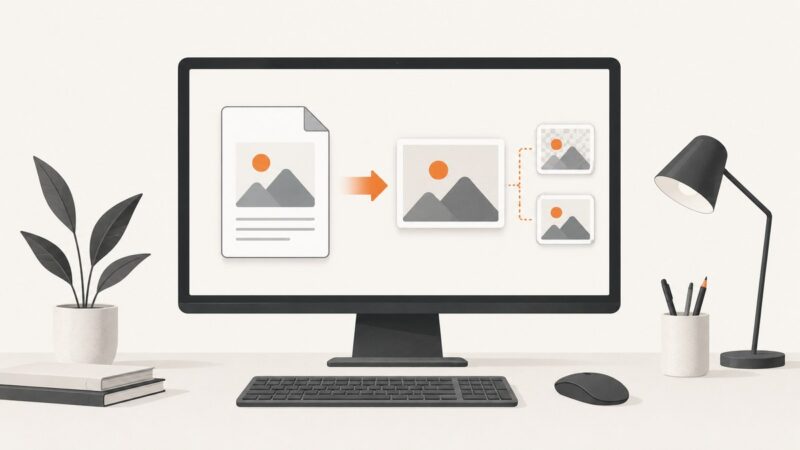
ScreenshotNeo returns a PNG, JPEG, WebP, or PDF from one GET request. For a portion of a webpage, use its CSS-selector element capture; it also supports full-page capture, device presets, custom viewports, retina scale, waits, custom CSS and JavaScript, hidden selectors, and request controls. Read the ScreenshotNeo API documentation for the available options.
cURL
curl -G "https://api.screenshotneo.com/v1/shot" -d access_key=YOUR_API_KEY --data-urlencode url=https://stripe.com -o shot.webpPython
import requests

r = requests.get(
    "https://api.screenshotneo.com/v1/shot",
    params={"access_key": "YOUR_API_KEY", "url": "https://stripe.com"},
    timeout=90,
)
r.raise_for_status()
open("shot.webp", "wb").write(r.content)
Node.js
const q = new URLSearchParams({ access_key: 'YOUR_API_KEY', url: 'https://stripe.com' });
const res = await fetch(`https://api.screenshotneo.com/v1/shot?${q}`);
if (!res.ok) throw new Error(`Screenshot failed: ${res.status}`);
const file = await res.arrayBuffer();
await Bun.write('shot.webp', file);
ScreenshotNeo removes cookie and consent banners, newsletter popups, and chat widgets before capture. Bot checks, blank pages, timeouts, failed loads, and cache hits are not billed; the response identifies the result with X-Page-Verdict and X-Billed headers. Its MCP server provides take_screenshot, get_page_info, and capture_pdf tools for Claude, Cursor, and other MCP clients. The free plan includes 1,000 screenshots per month without a card; paid plans start at $5 for 3,000 shots.
Create a free ScreenshotNeo account and start with 1,000 screenshots per month at no charge.
Troubleshooting
| Problem | Likely cause | Fix |
|---|---|---|
| The shortcut does nothing on Windows | Snipping Tool is unavailable, disabled, or another utility owns the shortcut. | Open Snipping Tool from Start, check Windows settings, and retry Windows + Shift + S. |
| The Mac capture is not saved where expected | macOS saves to the desktop by default, or the Screenshot app has a different destination. | Open Shift + Command + 5 and check the Options menu. |
| The selected box moves unexpectedly on Mac | Space was held while dragging. | Release Space to resize; hold it only when repositioning the box. |
| GNOME uses a different key | You are using a non-GNOME desktop environment or a customized keymap. | Open the desktop’s keyboard-shortcut settings and search for screenshot or screen capture. |
| The result contains a menu or notification | The transient UI was visible at capture time. | Dismiss it, wait for the screen to settle, and capture again. |
| A webpage section is cut off | The section extends beyond the visible viewport. | Scroll and capture in pieces, or use an element/full-page browser capture. |
| The API response is not an image | The request failed or returned an error response. | Check the HTTP status, API key, URL encoding, and response headers before writing the body to a file. |
Performance, reliability, and cost notes
- Desktop speed: built-in shortcuts are immediate because they capture already-rendered pixels.
- Repeatability: APIs are more consistent when you set a viewport, device preset, wait condition, and selector instead of relying on manual pointer placement.
- Dynamic pages: wait for a selector, delay, or network idle when content appears after the initial load.
- Large pages: full-page captures can take longer and produce larger files than an element capture.
- Cost control: use caching with a TTL for repeated URLs and element capture when you need only one component. ScreenshotNeo bills only clean shots; failed loads, bot checks, blank pages, timeouts, and cache hits cost nothing.
FAQ
Can I screenshot a non-rectangular area?
Yes. Windows Snipping Tool has a Freeform mode. macOS and GNOME region shortcuts use a dragged rectangular selection.
Where are screenshots saved?
Windows uses Snipping Tool’s configured save behavior, macOS saves to the desktop by default, and GNOME documents Pictures/Screenshots for shortcut captures.
Does a desktop shortcut capture an entire long webpage?
No. It captures the visible screen region. Use a browser’s full-page feature or an API when the page extends below the viewport.
Can I automate a selected webpage element?
Yes. Use an API that supports CSS-selector element capture, such as ScreenshotNeo, and provide the page URL and selector in the request configuration.
Do Linux shortcuts work the same everywhere?
No. The Print-overlay procedure here is for GNOME; other desktop environments can define different shortcuts and destinations.