Selenium News and Updates: A Smattering of Selenium 75
A guide to Selenium’s January 23, 2012 Smattering #75: its author, topics, and historical context.
A Smattering of Selenium #75 is a historical link roundup by Adam Goucher, published Monday, January 23, 2012. It covered continuous integration and build management, automation helpers, mobile platform testing, delivery pipelines, and test-speed investigations. It is an archival snapshot of links from that period, not current Selenium release news or a guarantee that the linked tools remain available.
What was Selenium Smattering #75?
The Selenium project’s original post gathered articles and tools Adam Goucher had noticed around browser automation and adjacent engineering work. The official Smattering archive indexes #75 as one issue in the numbered series.
The opening line jokes about being home and having more internet access. The percentage in that opening is wordplay, not a measurement or technical claim.
Topics in the roundup
Test infrastructure and continuous integration
- iOS CI with Jenkins: The post linked a guide to continuous integration for iOS projects, in the context of native drivers becoming more common.
- Chocolatey and Windows build slaves: It pointed to Chocolatey as a possible way to manage Windows build machines.
- Bamboo stages: A linked discussion described dividing a delivery pipeline into stages.
These are the subjects of links shared in 2012. The roundup does not establish how current the referenced instructions or tools are today.
Automation tools and selector workflows
- Selenium Simple Test (SST): An Ubuntu project was linked with an introductory screencast.
- cssify: The roundup mentioned a small application for translating XPath expressions into CSS selectors.
- Salesforce configuration automation: It noted a Java-only contest about automating Salesforce configuration changes, with submissions due shortly after the post.
The contest mention is historical; it should not be read as a current event or an endorsement.
Platform-specific testing
- Apple UI Automation: The issue included material related to Apple’s then-current UI automation approach.
- Android design conventions: It pointed to platform design guidance relevant to teams building and testing Android applications.
These items show that the roundup’s scope extended beyond web browser automation into mobile platform testing and interface conventions.
Investigating slow tests
The remaining links included write-ups investigating slow test scripts and ways to reduce Rails test runtimes. The common thread is diagnosis and feedback speed: a slow suite can make it harder to iterate, so teams examine which tests or setup steps consume time. The roundup provides links to period discussions, not a benchmark or a verified result that applies to current projects.
How to read this roundup today
- Start with the date. January 23, 2012 is essential context for tool names, platform guidance, and the contest deadline.
- Use the topics as an index. The entries point toward CI, build management, selector conversion, mobile testing, and test performance.
- Check present-day documentation before adopting anything. The historical post does not confirm current maintenance, compatibility, or availability.
- Separate the link from its original framing. A mention in a link roundup records what caught the author’s attention; it is not a present-day recommendation.
What this says about the Selenium community in 2012
Smattering #75 reflects a broad engineering conversation around browser automation: teams were also working through CI setup, managing build machines, automating platform-specific interfaces, and shortening test feedback loops. Its value now is as a dated map of concerns and resources shared by the community, rather than as a current setup guide.
Capture a page from an automation workflow
For a reproducible visual artifact alongside browser automation, a screenshot can preserve the rendered page state for review or documentation. A local browser capture gives you control over the browser, but requires browser setup and attention to page timing, consent overlays, and other dynamic content.
DIY: capture a page with Selenium in Python
Install Selenium with python -m pip install selenium, then save the following as capture.py. Selenium 4 uses Selenium Manager to help obtain a compatible driver when one is not already configured. The example uses an explicit wait for the document to finish loading, then saves the visible viewport as a PNG.
from selenium import webdriver
from selenium.webdriver.support.ui import WebDriverWait

options = webdriver.ChromeOptions()
options.add_argument("--headless")
options.add_argument("--window-size=1440,1000")

driver = webdriver.Chrome(options=options)
try:
    driver.set_page_load_timeout(45)
    driver.get("https://example.com")
    WebDriverWait(driver, 20).until(
        lambda browser: browser.execute_script("return document.readyState") == "complete"
    )
    driver.save_screenshot("page.png")
finally:
    driver.quit()
Run it with python capture.py. This captures the viewport, not a guaranteed full-page image. For pages that render content after the document load event, wait for a meaningful element or application-specific ready condition instead of assuming the initial load is complete. For repeatable output, pin browser and Selenium versions in your project and use a known viewport.
Or skip the browser setup
ScreenshotNeo is a website screenshot API and MCP server from Yorker Media. Its one-call API returns an image or PDF, and the API documentation describes the available parameters. For a page screenshot, pass the URL and your access key:
curl -G "https://api.screenshotneo.com/v1/shot" -d access_key=YOUR_API_KEY --data-urlencode url=https://example.com -o shot.webpCookie and consent banners are accepted and removed before capture, along with 60+ known consent platforms, newsletter popups, and chat widgets; each step can be turned off. Bot checks, blank pages, and failed loads are never billed, and response headers report the page verdict and billing status. An MCP server lets AI agents use screenshot tools. The free plan includes 1,000 screenshots per month with no card; paid plans start at $5 for 3,000 shots. Sign up for 1,000 free screenshots a month, with no card required.
Performance, reliability, and cost considerations
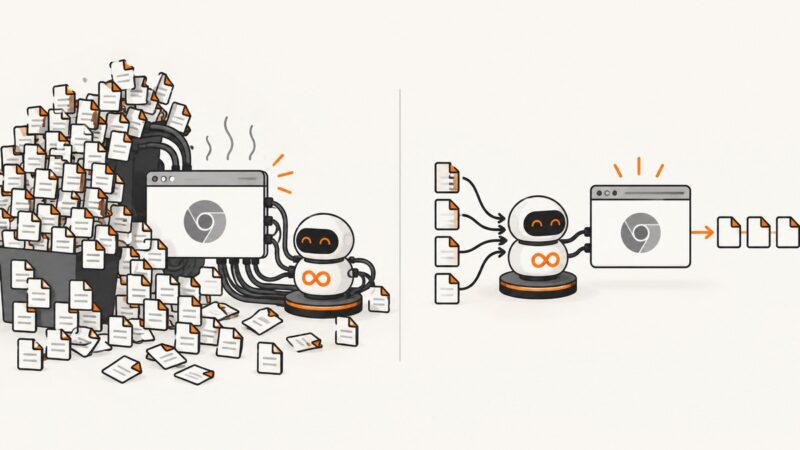
- Browser automation: Reusing a browser session across related captures can avoid repeated startup work, while a fresh browser per job can improve isolation. Always close the driver, including on errors. Page-load timeouts and explicit waits keep a slow or dynamic page from holding a worker indefinitely.
- Rendering variability: Results can change with viewport, browser version, fonts, network state, animation, and late-loading content. Set a fixed viewport, wait for the content that matters, and disable or account for animation when visual comparisons need stable output.
- Failure handling: Treat navigation timeouts, browser startup failures, and missing elements as distinct failures. Record the target URL and exception, retry only transient failures, and avoid infinite retries against a consistently broken page.
- Cost: Self-hosted Selenium uses compute and maintenance time for browsers, drivers, and workers. ScreenshotNeo pricing is Free at 1,000 shots/month, Starter $5 for 3,000, Growth $15 for 15,000, Pro $39 for 60,000, Scale $99 for 250,000, and Business $249 for 1,000,000; yearly billing gives two months free. Every feature is on every plan. Clean shots are billed; bot checks/CAPTCHAs, blank pages, timeouts, failed loads, and cache hits cost nothing.
Troubleshooting Selenium screenshots
| Symptom | Likely cause | What to try |
|---|---|---|
| Chrome fails to start | Browser installation, permissions, or environment mismatch. | Confirm Chrome is installed and runnable in the environment; inspect the full driver exception and use a compatible Selenium/browser setup. |
| The screenshot is blank or incomplete | The page is still rendering, content is lazy-loaded, or the relevant region is outside the viewport. | Wait for a specific element or application-ready signal; scroll or use a full-page capture method appropriate to your browser workflow. |
| Navigation hangs | The page never reaches the selected load condition or has slow third-party requests. | Set a page-load timeout, choose a suitable page-load strategy, and wait for the content needed rather than every network request. |
| Output differs between runs | Viewport, browser version, fonts, dynamic data, animation, or network timing changed. | Keep the browser environment and viewport fixed; wait for stable content and disable animation where the page permits it. |
| Cookie or chat overlay covers the page | The site presents an overlay during navigation. | In a DIY browser flow, handle the consent state according to the site and test policy, or locate and dismiss the overlay before capture. |
FAQ
Is Smattering #75 a Selenium release announcement?
No. It is a link roundup, not a release announcement.
Who wrote it?
Adam Goucher wrote the post.
Does the post confirm that its linked tools still work?
No. It documents links shared in 2012; check current project documentation for availability and compatibility.
What is the best way to cite it?
Link the original Selenium post and include its publication date, January 23, 2012, so readers can distinguish the roundup from current guidance.