Cloud-Ready Browser Automation with API-Driven Workflows
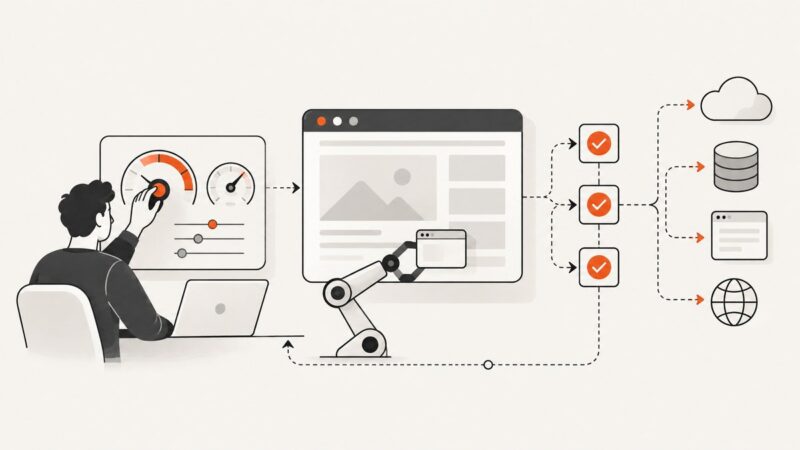
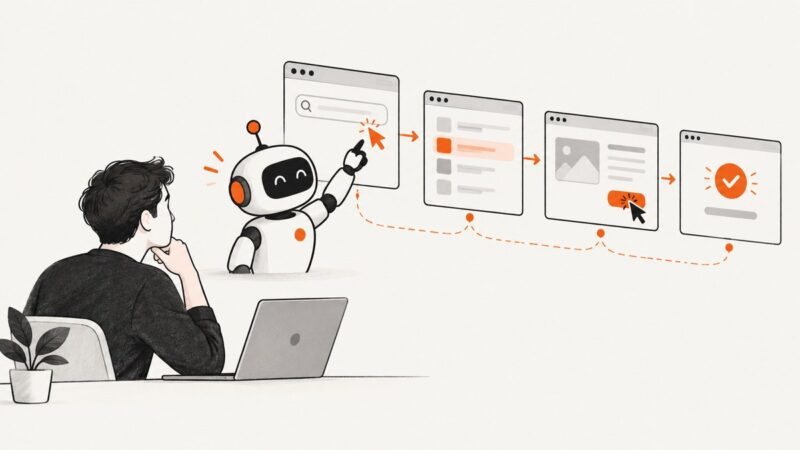
Learn how to run Playwright and Selenium in the cloud, design reliable sessions, secure remote grids, and choose the right browser API.
Puppeteer, Playwright, Selenium and headless Chrome, and what they take to run well.
Learn how to run Playwright and Selenium in the cloud, design reliable sessions, secure remote grids, and choose the right browser API.
Anti-detect browsers can fail when sites compare many browser, device, and network signals. Learn what to inspect, what to change, and where privacy tools break compatibility.
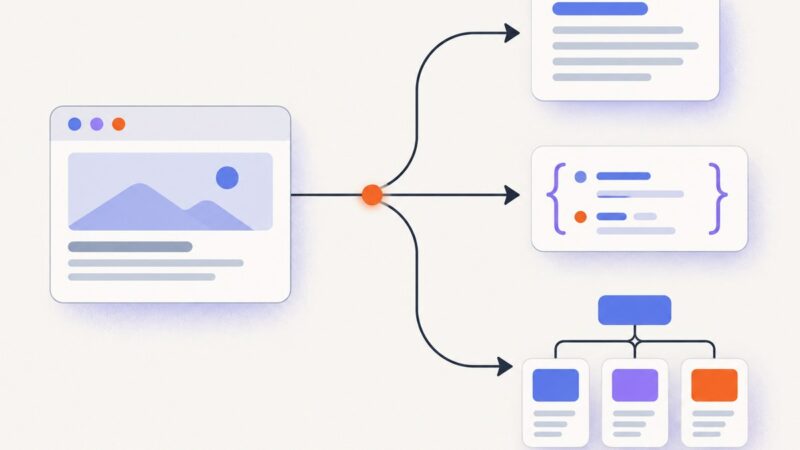
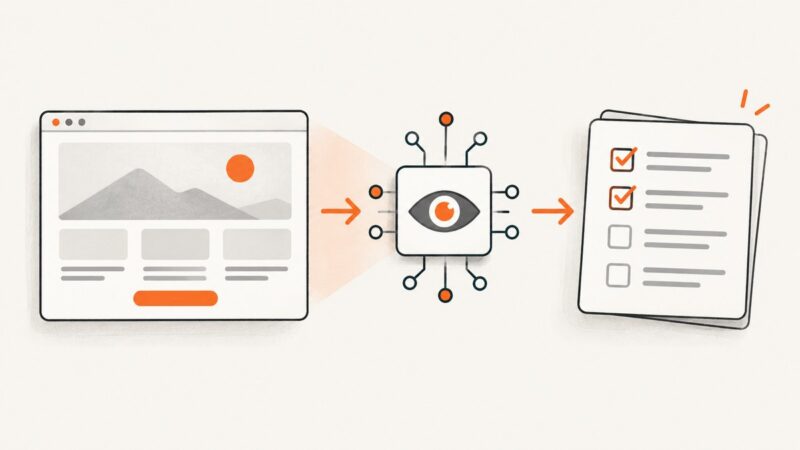
Learn how to turn webpages into clean text, structured JSON, and AI-ready insights with extraction APIs, validation, retries, and cost controls.
AI now assists with complex content and coding tasks. Learn what developers must evaluate: quality, security, copyright, provenance and human review.
Improve Puppeteer speed and reliability with six practical techniques for headless mode, locators, waits, navigation, interception and debugging.
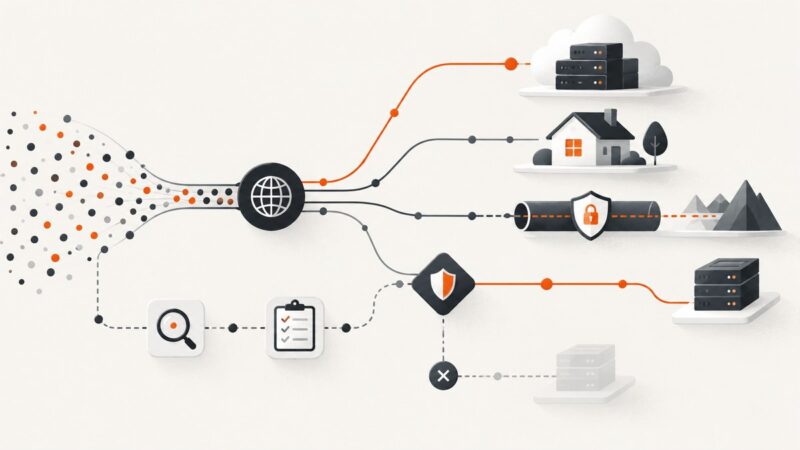
A practical architecture for browser fleets: admission, queues, placement, isolation, observability, recovery, and capacity planning for 1,000+ sessions.
Learn how ASN data adds network context to fraud decisions, how to use it carefully, and how RPKI route origin validation protects BGP routing.
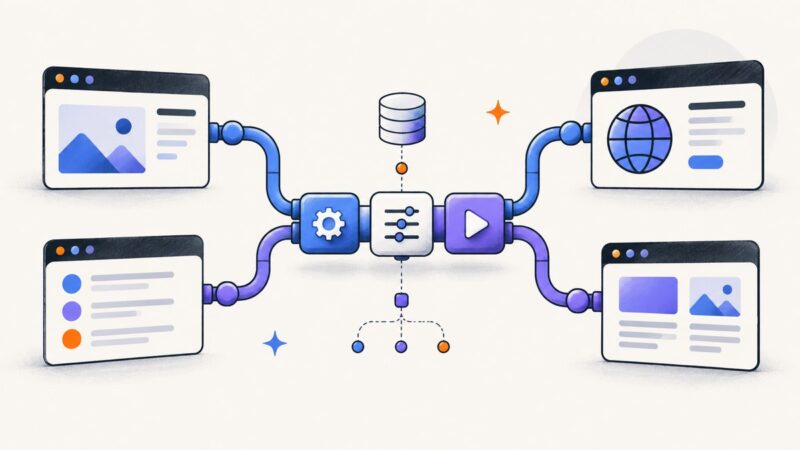
A production architecture for Convex apps that dispatch Playwright jobs safely to workers or remote browsers, with deployment, secrets, retries, and code.
Learn to calculate aspect ratio, handle EXIF rotation, and classify images as landscape, portrait, or square with reliable code.
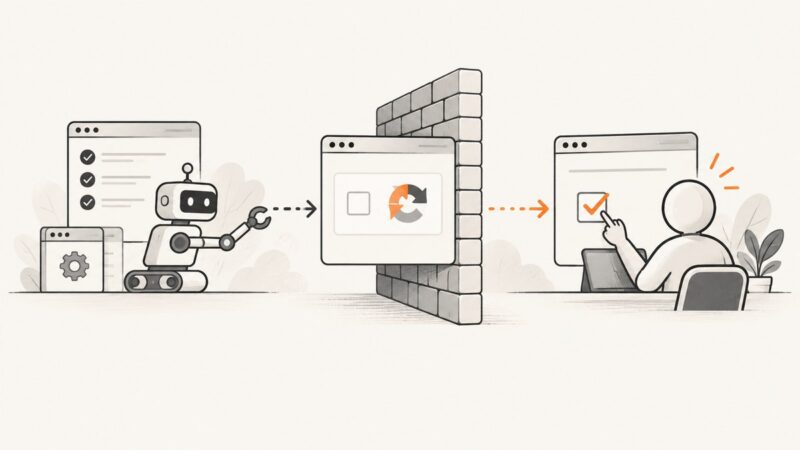
Handle CAPTCHA safely in Selenium and Playwright: test keys for CI, authorized human steps in production, diagnostics, retries, and safer alternatives.
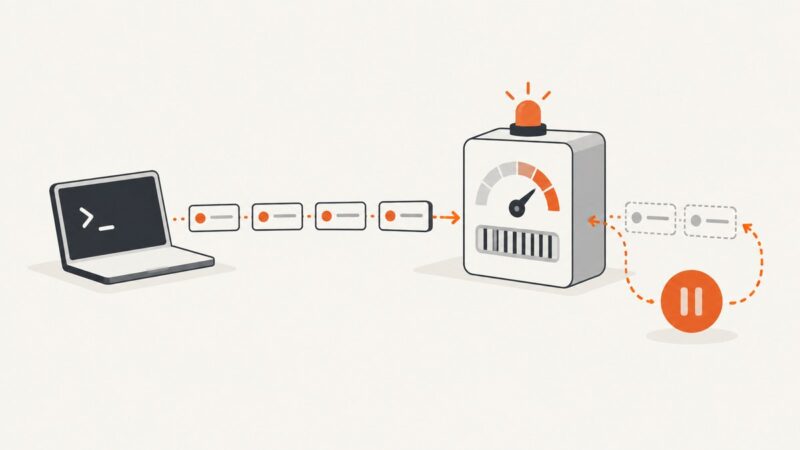
An API rate limit controls request frequency. Learn what 429 means, how Retry-After works, and how to build reliable clients that back off safely.
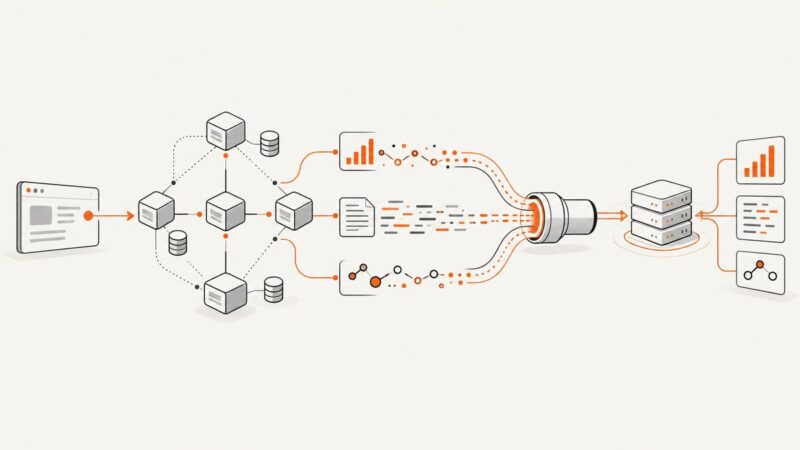
Build an observability pipeline that scales with your web application. Learn how to correlate metrics, logs, and traces while managing reliability and cost.
Learn how message brokers, task queues, pub/sub, and event streams differ—and choose a messaging design that fits your workload and delivery guarantees.
Use Puppeteer to drive WebRTC UI tests with Chrome’s fake camera, assert media playback, and capture browser output without confusing it with track recording.
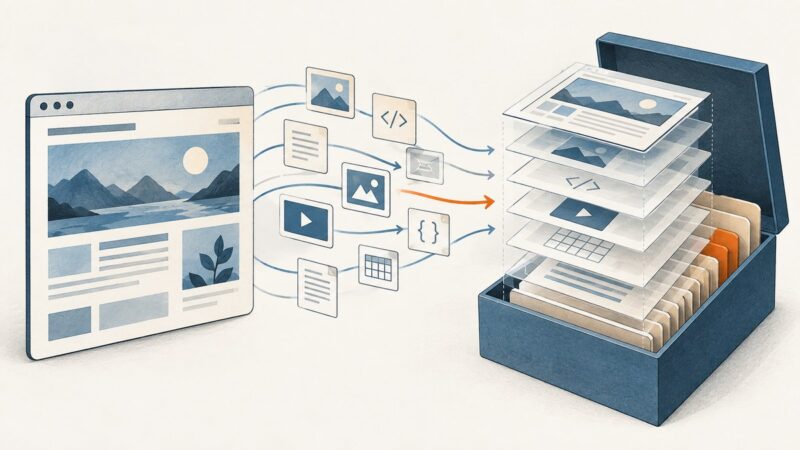
Learn what WARC files contain, how their records fit together, how WARC differs from ARC, and how to inspect or replay an archive.
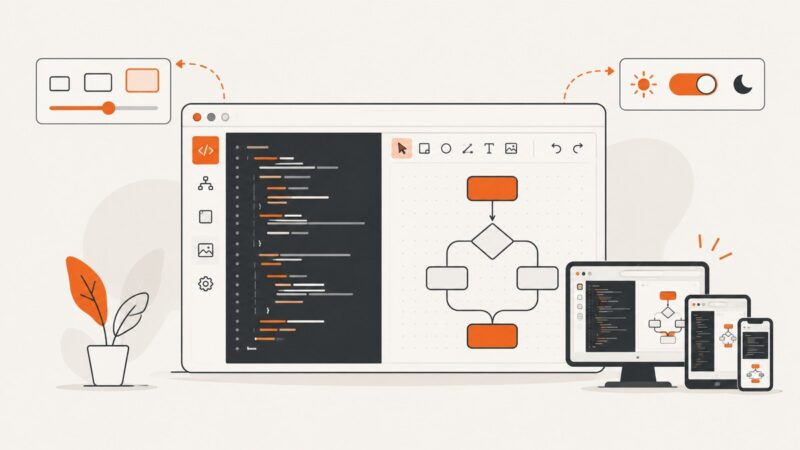
A practical guide to iframe and editor appearance settings: themes, chrome, sizing, alignment, messaging, responsive behavior, and troubleshooting.
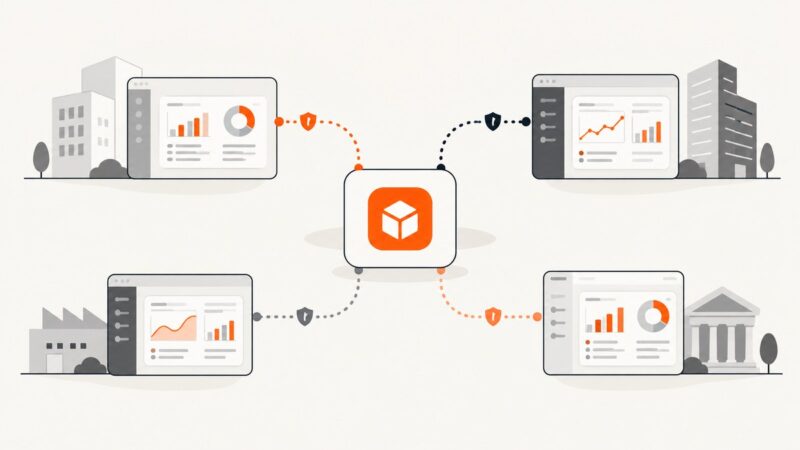
Learn how to isolate tenant data, users, and embedded analytics across pooled, schema, database, and dedicated architectures.
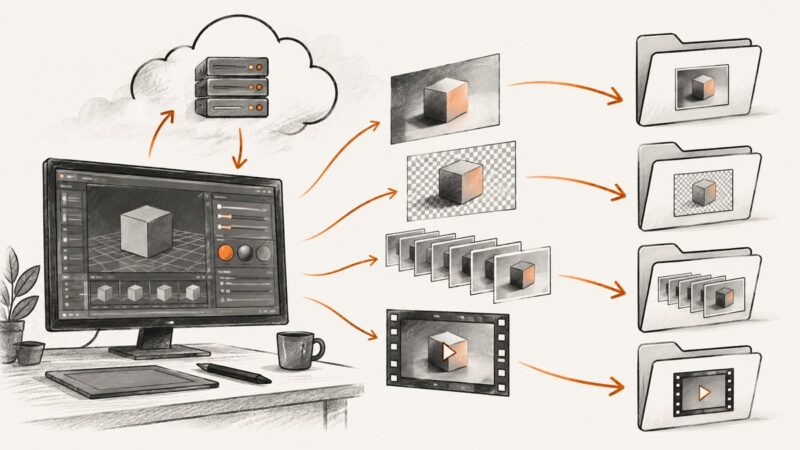
Reduce screenshot API latency and image bytes without sacrificing capture completeness. Tune waits, formats, quality and caching with a repeatable workflow.