Converting HTML to SVG at Scale: Tools and APIs
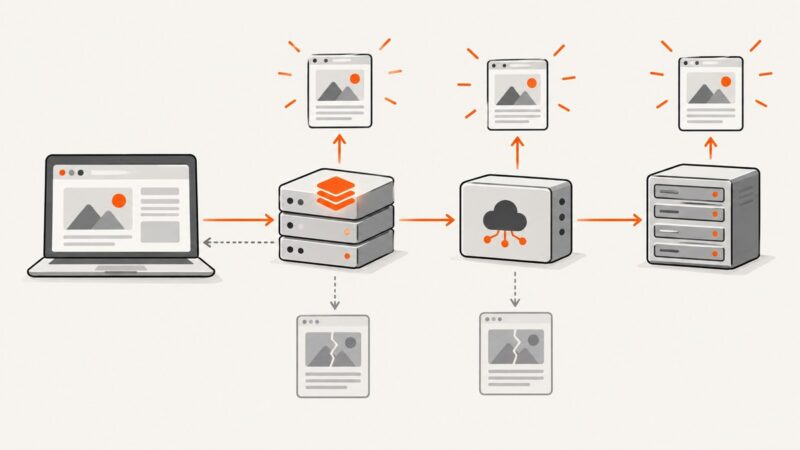
HTML screenshots and editable SVG are different outputs. Learn how to choose, capture reliably at scale, and avoid mistaking a raster image in an SVG wrapper for vector content.
Puppeteer, Playwright, Selenium and headless Chrome, and what they take to run well.
HTML screenshots and editable SVG are different outputs. Learn how to choose, capture reliably at scale, and avoid mistaking a raster image in an SVG wrapper for vector content.
Build a secure image-generation webhook: configure events, verify signatures, acknowledge quickly, deduplicate deliveries, and process results reliably.
Make web applications faster by measuring real-user performance, tracing slow requests, improving caching and reducing transfer size.
Learn when to use asyncio with aiohttp, Playwright, or Scrapy for reliable Python scraping and browser automation.
Design CAPTCHA handling as an observable blocked state with approved human or test-environment recovery paths.
Learn how to collect mobile app data through authorized APIs, exports, or UI automation, with practical architecture, validation, privacy, and scaling guidance.
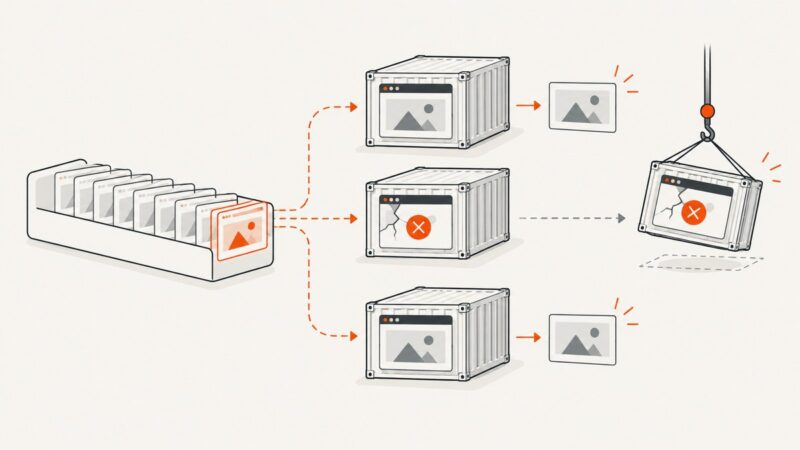
Build a screenshot API that survives browser crashes, traffic spikes, and inconsistent rendering with isolated workers, durable jobs, and explicit failure handling.
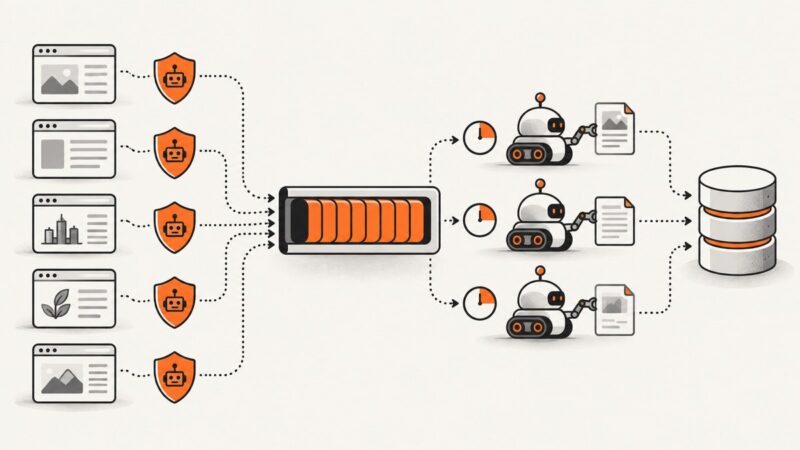
Build an asynchronous crawler that scales across domains while controlling concurrency, honoring robots.txt, and surviving failures.
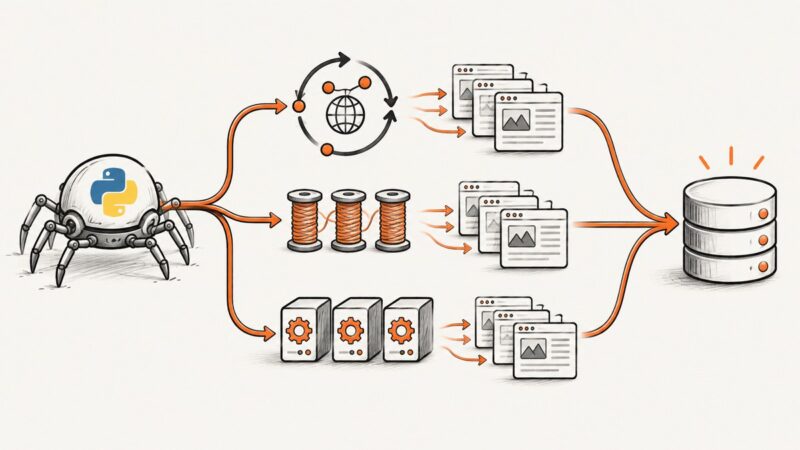
Choose async, threads, or processes for faster Python scraping by separating network waits from CPU work and measuring the real bottleneck.
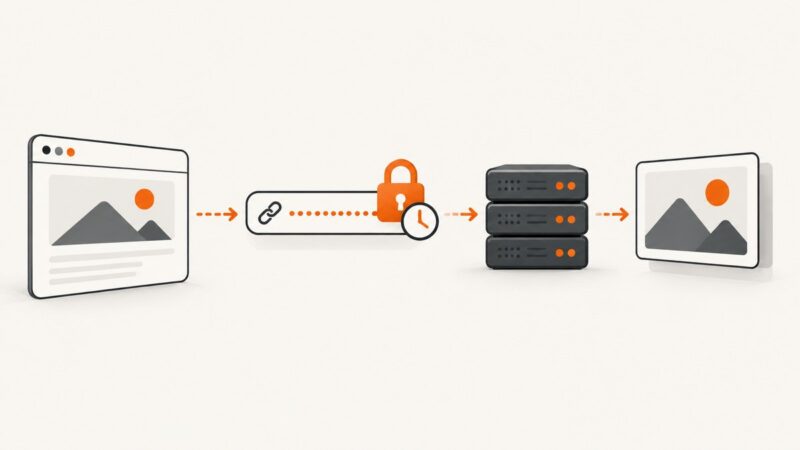
Secure screenshot APIs against SSRF, leaked credentials, unsafe rendering, excessive costs, and captured-data exposure with this practical guide.
Compare remote TLS scan APIs with local tools, automate certificate and protocol checks, and choose a reliable workflow for your infrastructure.
Build a reliable Open Graph scraper for link previews with Python, cURL, Node.js, fallbacks, troubleshooting, and a managed API option.
Learn how HTTP caches differ from scraper result caches, how freshness and revalidation work, and what to check before relying on a vendor’s cache.
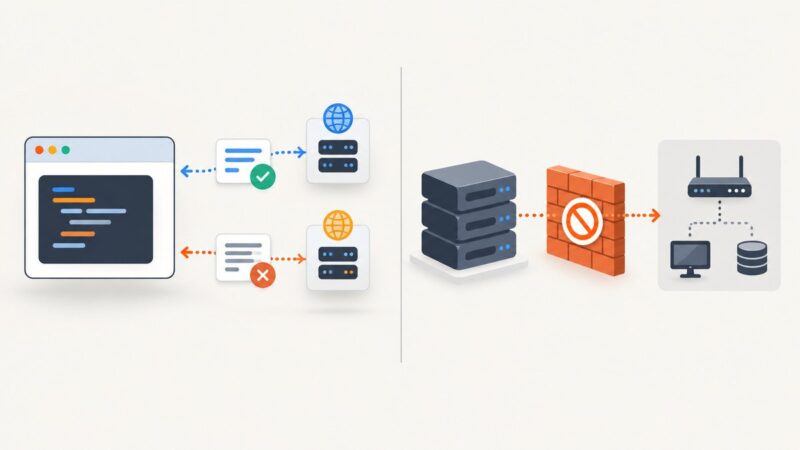
CORS controls what browser scripts can read; it does not stop a server-side URL fetch from reaching internal services. Learn how to protect both boundaries.
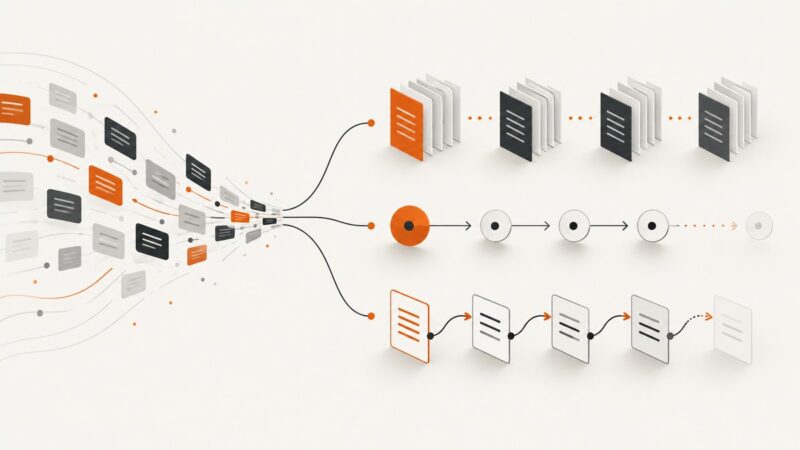
Concurrent screenshot requests finish at different times. Learn why results appear reordered and how to preserve input order reliably.
Learn when to render screenshots asynchronously, how to handle webhooks safely, and how to plan for quotas, rate limits, timeouts, and payload caps.
Learn what Terraform and Pulumi can manage around screenshot APIs, how to secure and automate captures, and when a managed API is simpler.
Understand Screenshot API requests-per-second caps, monthly render quotas, 429/402 errors, monitoring, retries, and plan choices.