How to Auto-Generate Social Media Posts for a Business Conference with Node.js
Build a Node.js workflow that drafts conference updates from approved facts, routes them to Buffer channels, and schedules posts with review and error handling.
Build a Node.js workflow that drafts conference updates from approved facts, routes them to Buffer channels, and schedules posts with review and error handling.
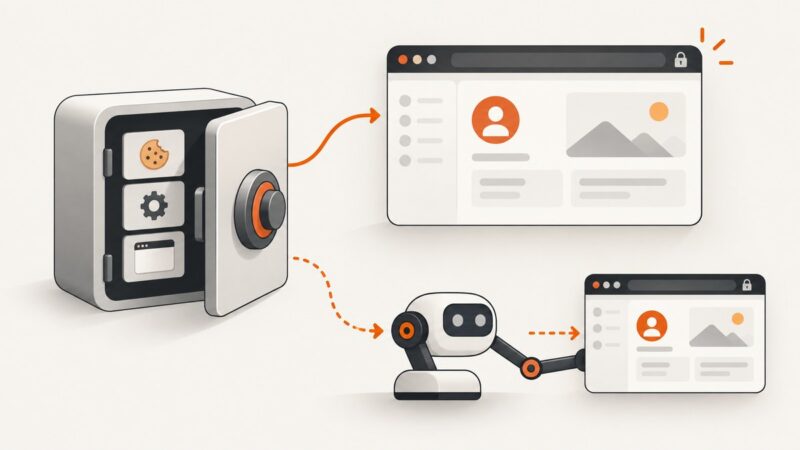
Reuse signed-in Playwright sessions safely with storageState, cookies, local storage, session storage, and practical troubleshooting.
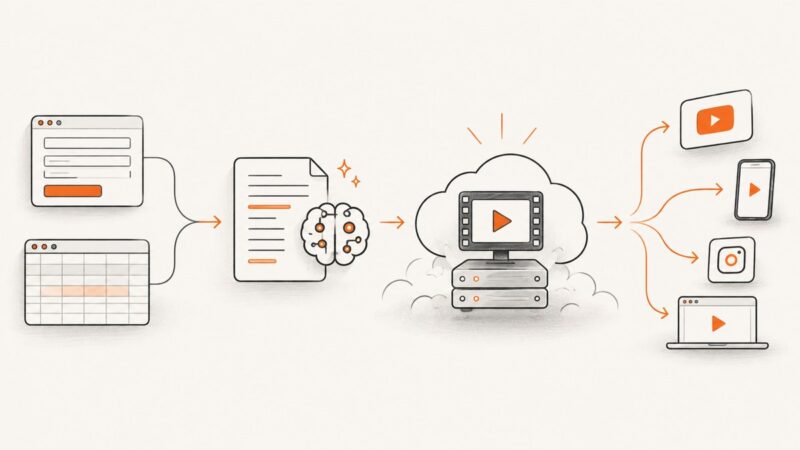
Build a reliable Zapier video pipeline: structure a brief, generate a script, render with Creatomate or HeyGen, wait for completion, and publish.
Build a repeatable Medium image workflow: generate a story-fit cover, validate it, upload it, set the focal point, and automate screenshots safely.
Generate a Pinterest-ready image for every Next.js blog post with App Router, ImageResponse, safe layouts, caching, and reliable fallbacks.
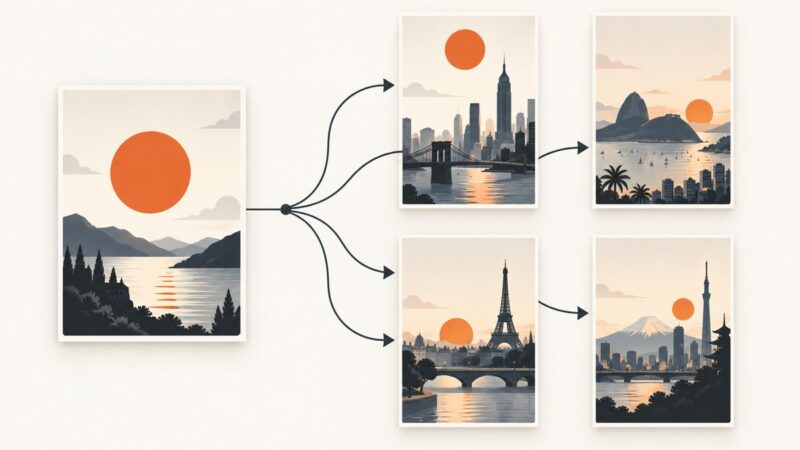
Build one event poster per audience time zone with Node.js, correct DST handling, reusable templates, and reliable image rendering.
Use Zapier to coordinate browser automation with Code steps, webhooks, external Playwright workers, or the Chrome Extension.
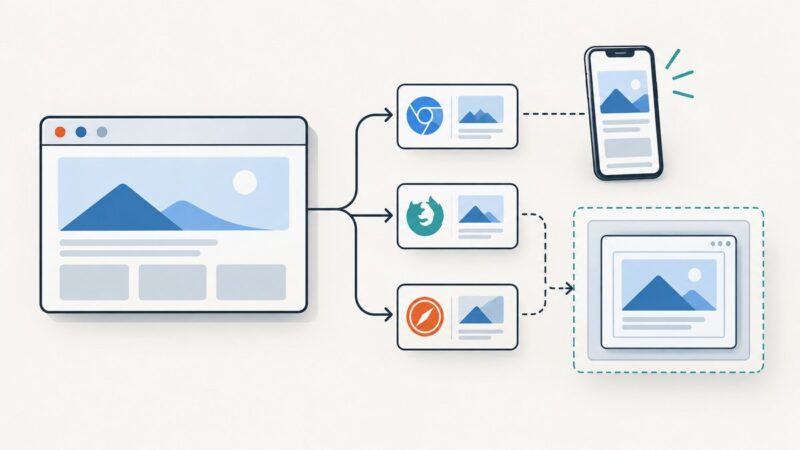
Learn how to add client-specific email previews to an app, handle capture results and hosted images, and fit screenshots into a reliable pre-send QA workflow.
Fetch crypto prices from CoinGecko, turn them into Chart.js data, and render reliable PNG or WebP images with an image API.
Learn how to call image-generation APIs, decode returned image data, save files, handle errors, and choose the right synchronous workflow.
Dismiss, hide, or mask website popups in Playwright screenshots, handle browser dialogs, and use ScreenshotNeo for clean captures.
Render or load consistent frames, encode them as a GIF, and control timing, looping, quality, and memory use with practical Node.js examples.
Generate reliable PDFs and screenshots with Playwright, Puppeteer, CDP, or a hosted API. Covers media, waits, options, failures, and production trade-offs.
Learn how to diagnose anti-bot blocks using status codes, headers, cookies, redirects and body clues—and confirm the result in site logs.
Build a Rails app that moderates prompts, queues image generation, stores results, and publishes safe social posts with clear job states.
Build a repeatable banner workflow with reusable templates, approved product data, size-specific variants, and human review before publishing.
Learn how to archive one page, an interactive session, or an entire site with Wayback, WARC/WACZ, ArchiveWeb.page, and Browsertrix.
Record clear Puppeteer screencasts with audio using the right API, FFmpeg setup, quality settings, and a reliable workflow.