3 Ways to Use AI in Make Scenarios
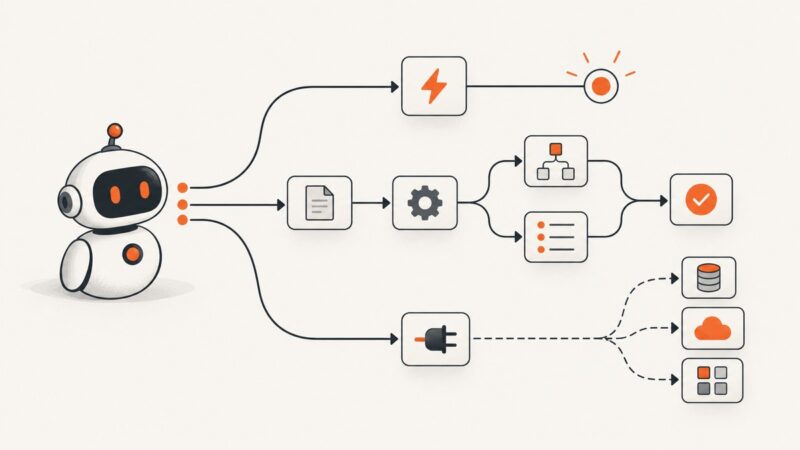
Learn when to use module tools, scenario tools, or MCP in Make, with setup guidance, examples, and practical tradeoffs for each approach.
Blog
How to take clean screenshots, turn HTML into images and PDFs, run headless browsers, and give AI agents eyes. Written by the team that builds ScreenshotNeo.
Learn when to use module tools, scenario tools, or MCP in Make, with setup guidance, examples, and practical tradeoffs for each approach.
Understand webhooks and APIs, when to use each, how to secure them, and why reliable integrations usually combine both patterns.
Turn free-form text into validated records by defining a schema, choosing the right extraction method, and checking every value against its source.
Learn how ASN data adds network context to fraud decisions, how to use it carefully, and how RPKI route origin validation protects BGP routing.
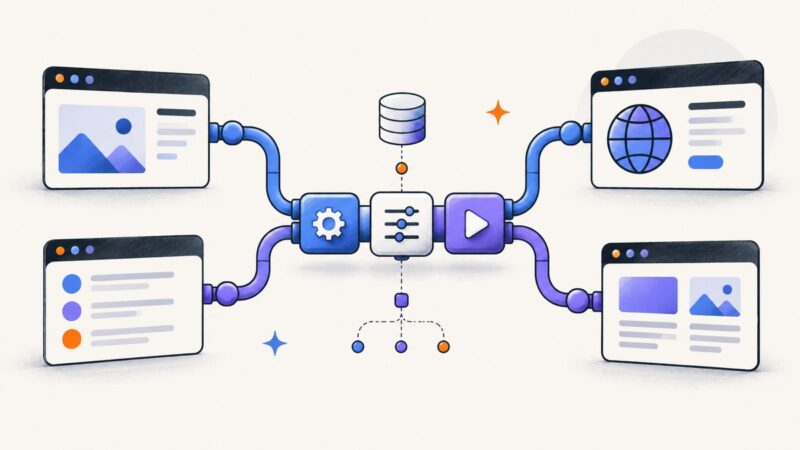
Compare image generation and transformation APIs, choose an architecture, and build a reliable workflow for creating, editing, and delivering images.
Build a reliable hourly news-page archive with Playwright or Puppeteer, durable storage, hashes, change review, and ScreenshotNeo.
A watermark identifies a screenshot, but evidence depends on capture context, hashes, preserved originals, and a documented chain of custody.
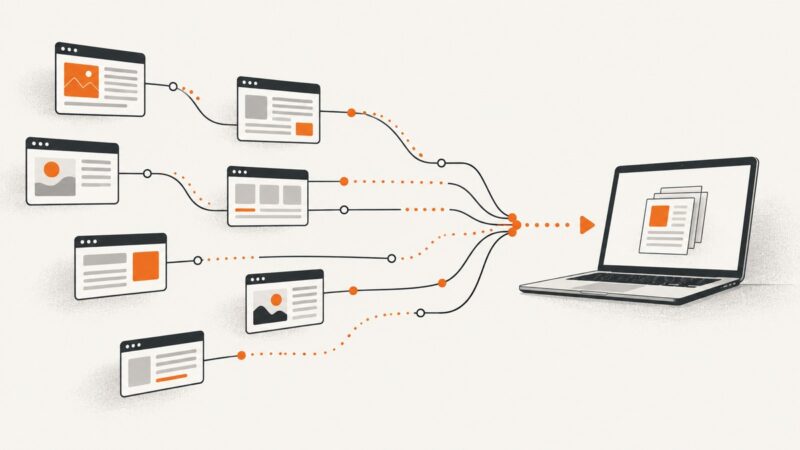
Asynchronous web scraping overlaps network waits so a program can fetch multiple pages without waiting for each one in sequence. Learn how to bound concurrency, handle failures, and choose between Python asyncio, aiohttp, and Scrapy.
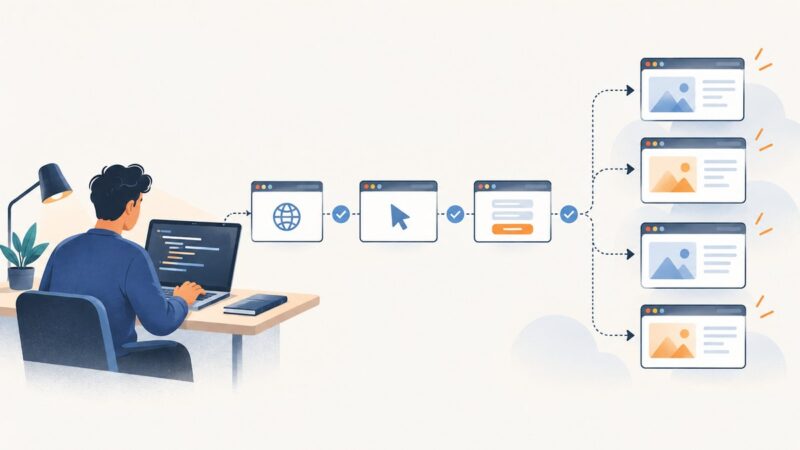
Compare Selenium, Playwright, Cypress, Puppeteer, and hosted browsers. Choose an automation stack, run code, and avoid common reliability traps.
Choose a ready-made crypto widget for a quick website chart, or build a custom pipeline that fetches market data and renders a branded graphic.
Speed up browser automation by recording a first draft, replacing brittle waits and selectors, isolating test state, and scaling independent tests in CI.
Build an automated content-gap pipeline using site crawling, competitor comparisons, Search Console data, and a scoring model that chooses new pages or updates.
Learn what geo-blocking is, how websites detect your location, why streaming catalogs differ, and what VPNs can and cannot change.
A production architecture for Convex apps that dispatch Playwright jobs safely to workers or remote browsers, with deployment, secrets, retries, and code.
Learn to calculate aspect ratio, handle EXIF rotation, and classify images as landscape, portrait, or square with reliable code.
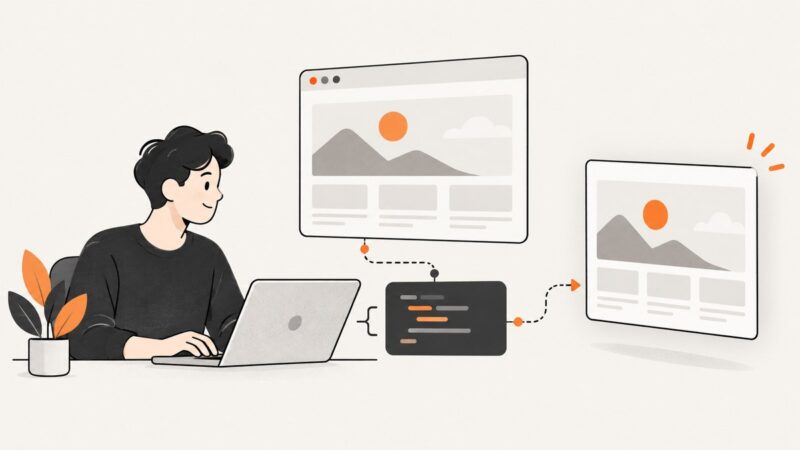
Capture website screenshots in Python with Playwright or a hosted API. Compare the tradeoffs, configure common options, and troubleshoot failures.
A practical framework for benchmarking browser agents with reproducible tasks, end-state checks, latency, cost, safety, and human baselines.
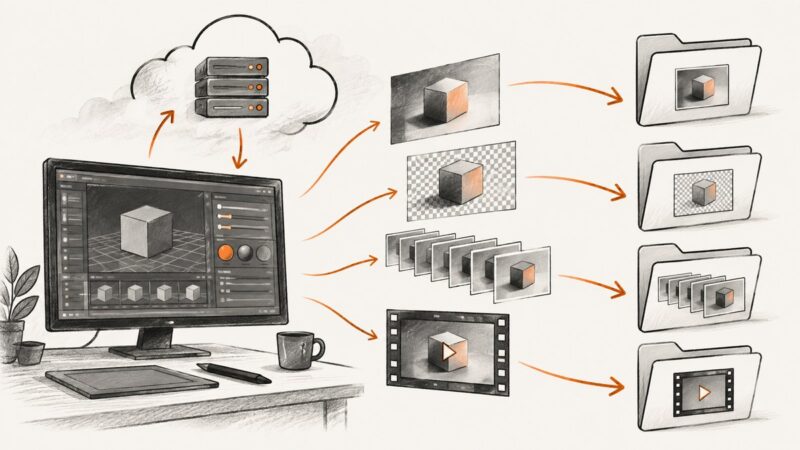
Batch property photos into a balanced, branded collage, then export files sized for your listing portal and marketing channels.