Agentic Workflow: Definition and How It Works
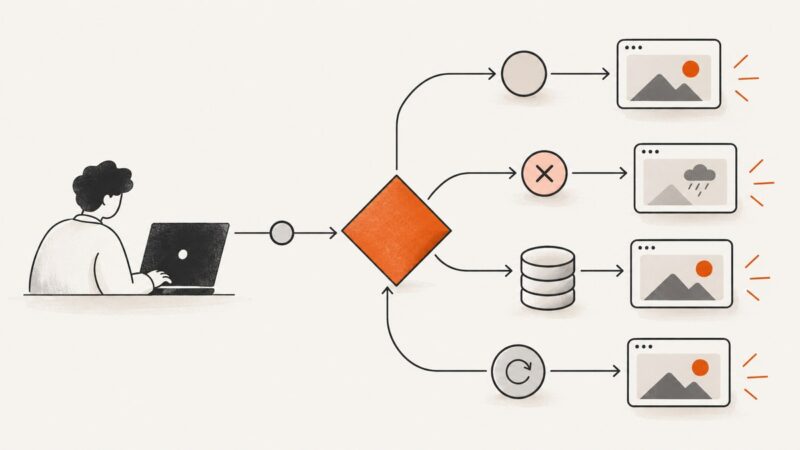
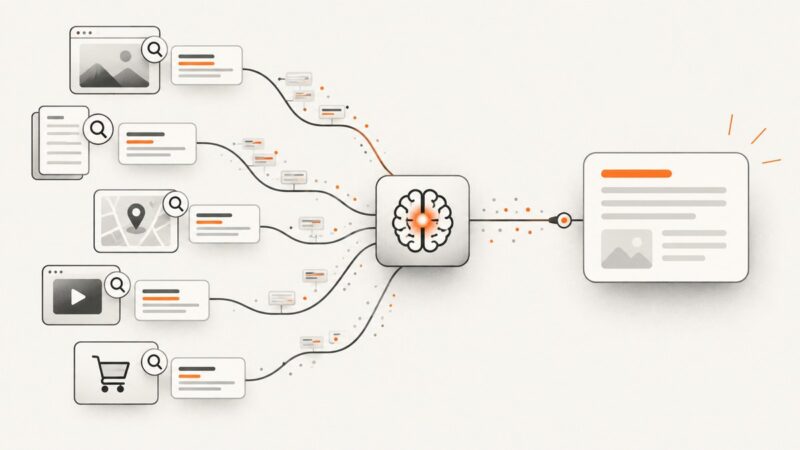
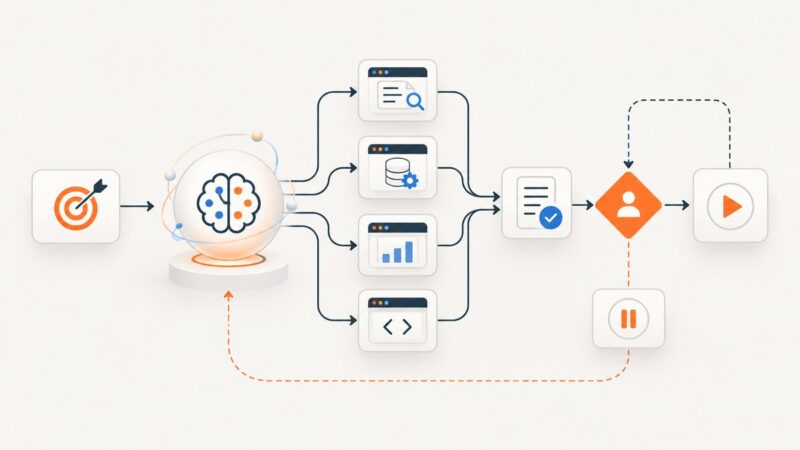
An agentic workflow turns a goal into a controlled loop of planning, tool use, observation, and decisions. Learn how it works, which pattern to choose, and how to build one safely.
An agentic workflow turns a goal into a controlled loop of planning, tool use, observation, and decisions. Learn how it works, which pattern to choose, and how to build one safely.
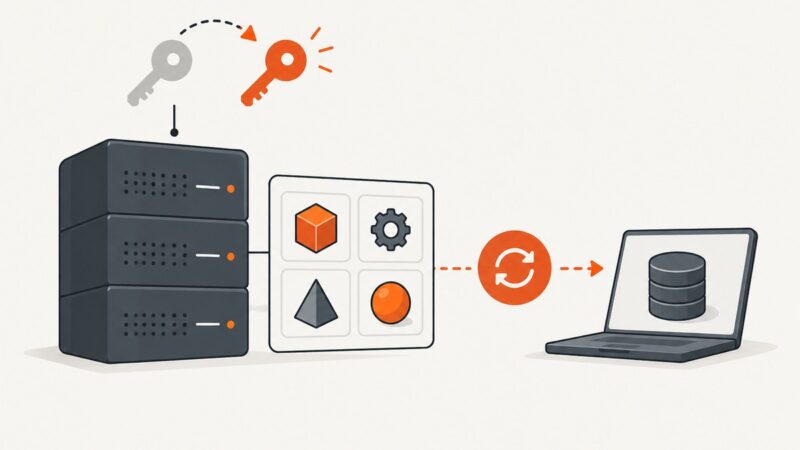
Turn browser automation into an authenticated API with Playwright workers, Actor runs, or a warm Standby service. Choose a run model, define the contract, and handle security and failures.
Learn how MCP servers define tools, expose them through tools/list, and handle tools/call results, errors, pagination, and updates.
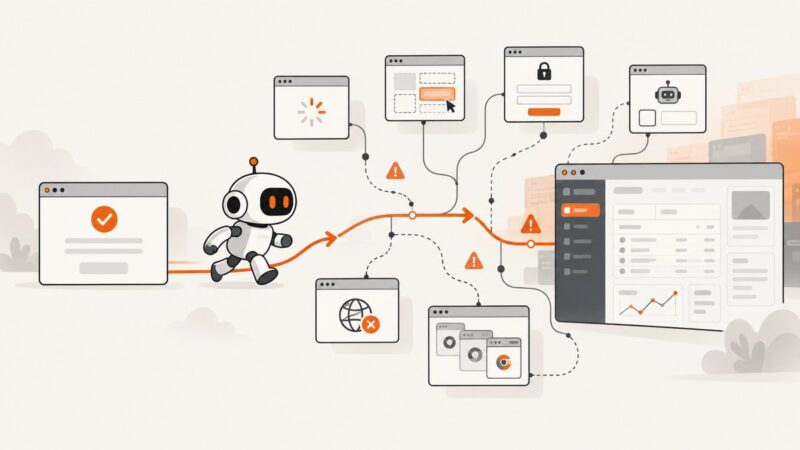
Browser agents fail in production because of timing, locators, state, browser drift, and human verification. Learn a repair process that makes flows reliable.
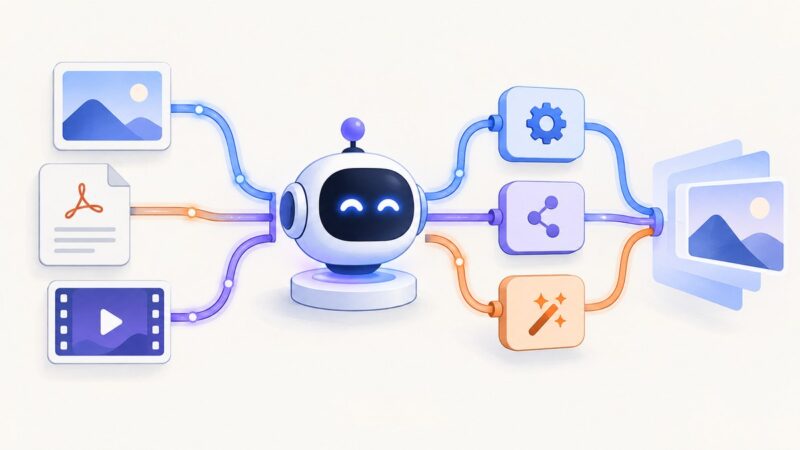
Learn what Antigravity MCP and SDK actually support for image generation, PDF analysis, video input, configuration, permissions, and screenshot workflows.
Learn how to isolate browser state, agent memory and credentials across AI tasks and web scrapers without assuming a browser context is a full sandbox.
AI agents browse through an iterative loop of planning, search, page inspection, and verification. Learn when to use APIs, browsers, or both.
Choose the right Google Search integration for your AI app: legacy JSON, embedded PSE, Agent Search, or Gemini grounding.
Reduce false positives in production AI agents with labeled traces, calibrated thresholds, deterministic controls, human approvals, and drift monitoring.
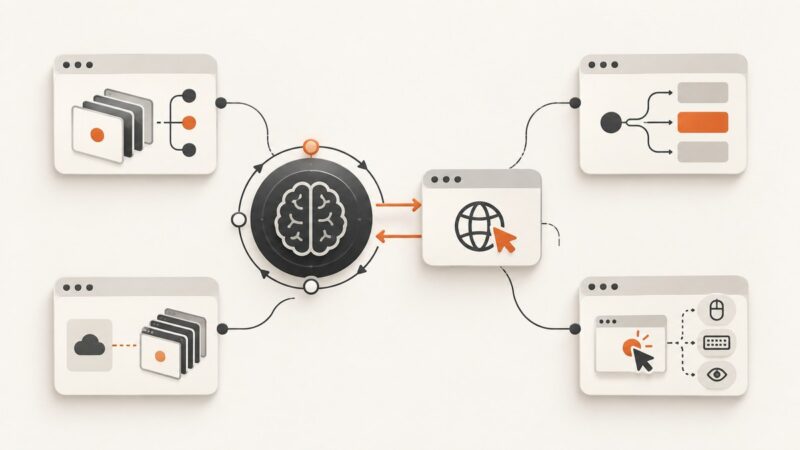
Build a browser agent by pairing an LLM’s reasoning loop with a scoped browser tool. Compare Playwright, Stagehand, Browserbase, and computer-use execution.
Learn how AI design agents turn written briefs into editable templates, what differs across Figma, Canva, and Framer, and how to refine the result.
Design error contracts that help AI agents diagnose failures, choose safe recovery steps, and give people a truthful explanation.
Learn how WebMCP exposes typed website tools to AI agents, with implementation patterns, security controls, managed browsers, and practical code.
Use Playwright traces, screenshots, DOM snapshots, and OpenTelemetry to reconstruct every browser-agent action and diagnose failures safely.
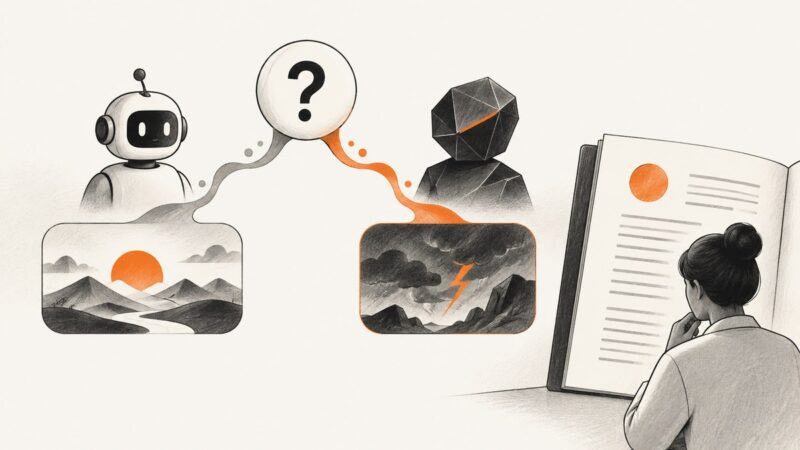
Use multiple AI models to expose disagreement, then verify important claims against primary sources. Here is a practical workflow for reliable answers.
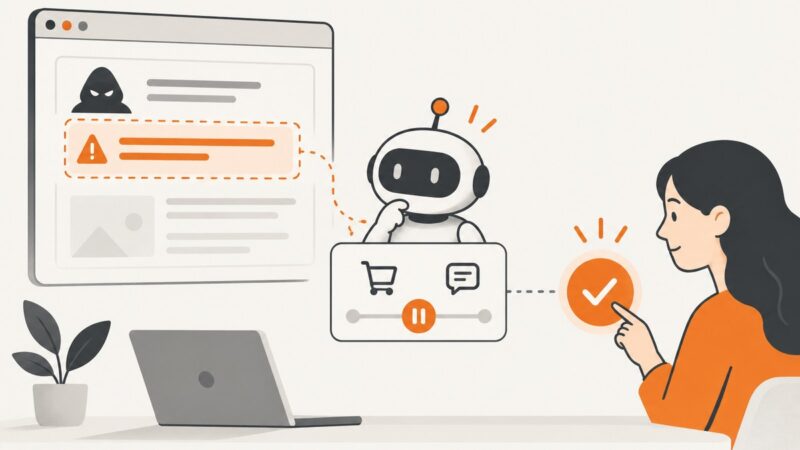
Learn how hostile web content can steer browser agents—and how to limit risk with least privilege, action gates, independent checks, and human oversight.
Build a traceable Reddit summarizer with authorized access, claim-level citations, deletion handling, and quality checks.
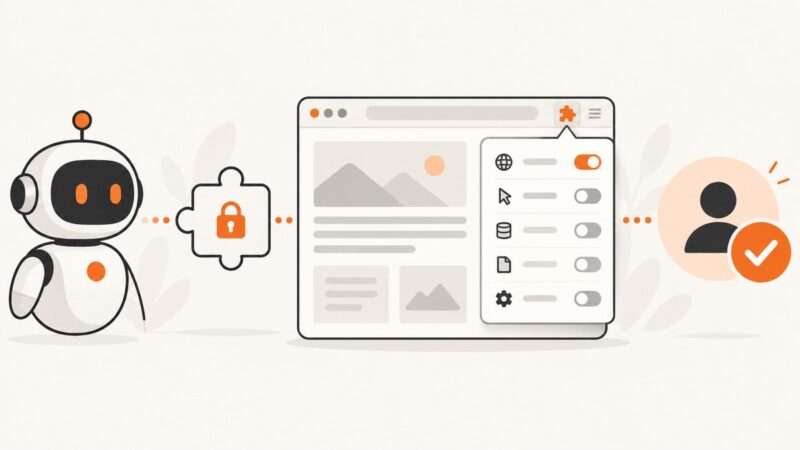
Learn how browser extensions connect AI agents to pages and logged-in sessions, how permissions and prompt injection work, and how to test safely.