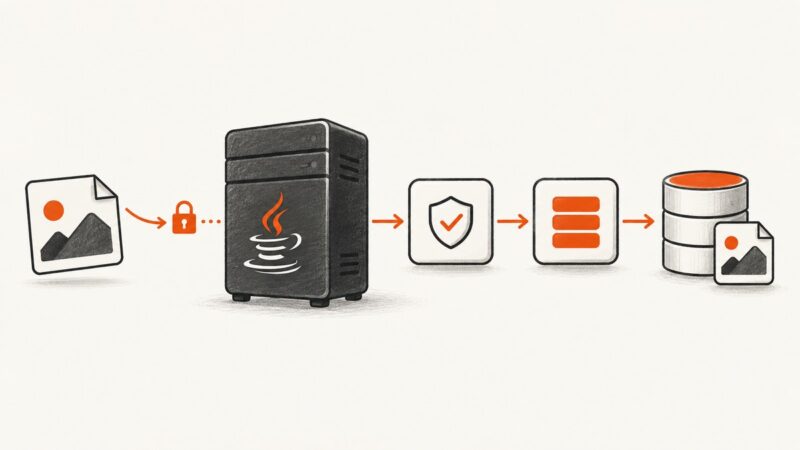
Handle Screenshot API Webhooks in a Java Application
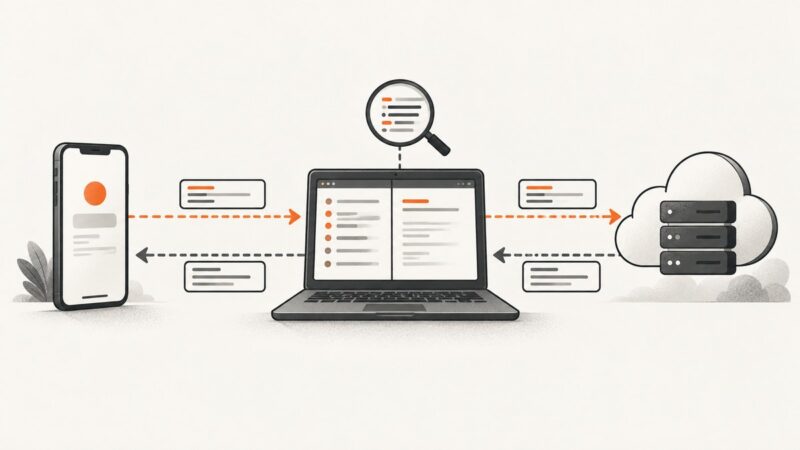
Receive screenshot callbacks safely in Java with HMAC verification, idempotency, fast acknowledgements, retries, and durable downloads.
Blog
How to take clean screenshots, turn HTML into images and PDFs, run headless browsers, and give AI agents eyes. Written by the team that builds ScreenshotNeo.
Receive screenshot callbacks safely in Java with HMAC verification, idempotency, fast acknowledgements, retries, and durable downloads.
Connect an AI agent to live web data with MCP. Learn transports, tool design, security, testing, deployment, and a ScreenshotNeo shortcut.
A permission-first guide to collecting apartment listings with authorized feeds, careful parsing, deduplication, refreshes, and reliable storage.
Connect an AI coding agent to image or PDF tools with built-in tools, functions, or MCP—and return the result as a usable artifact.
Capture and map API calls from a mobile app you own or are authorized to test, using mitmproxy, platform certificates, and repeatable actions.
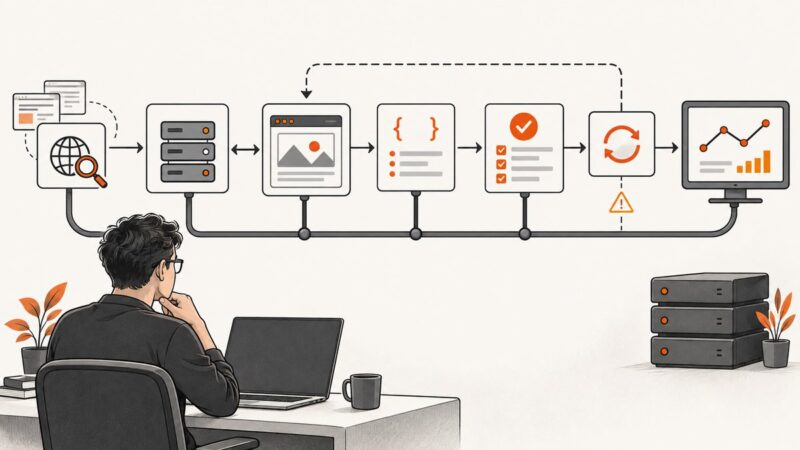
Verify deployed pages with an AI agent, Playwright screenshot baselines, and reviewable release evidence. This guide includes runnable CI code.
Build reliable scrapers with source discovery, browser rendering, rate control, validation, retries, monitoring, and production-ready examples.
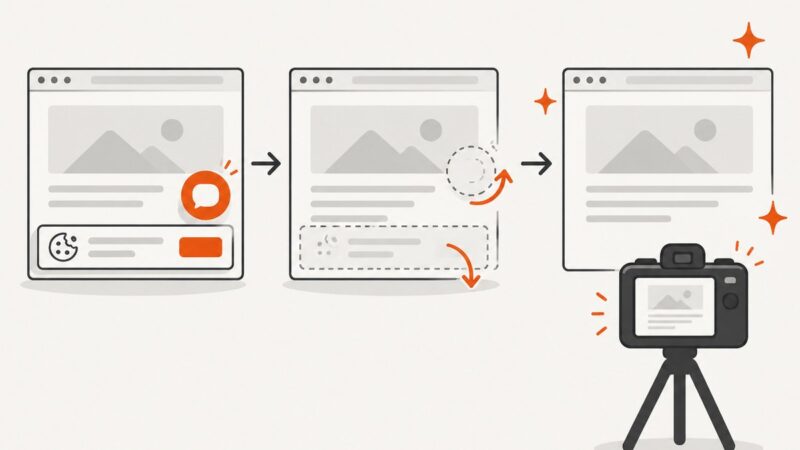
Turn a webpage URL into an image with a screenshot API. Compare free quotas, make a request with cURL, Python or Node.js, and troubleshoot common capture problems.
Learn how to parse TDMRep and proposed ai.txt policies, apply precedence rules, and understand what these declarations can—and cannot—enforce.
Reddit upvotes can be noisy preference signals, but training on Reddit content requires permission. Learn an auditable, deletion-aware workflow.
Compare Site-Shot and ApiFlash on price, rendering, geotargeting, MCP support, reliability, and scale, then see a cleaner alternative.
A practical REST API reference to HTTP methods, status codes, authentication, idempotency, and OpenAPI—plus runnable request examples.
An imported template can preserve content while changing the design. Find the cause, compare pages fairly, and diagnose fonts, styles, and responsive layout.
Build a browser agent as a bounded loop: let a model propose actions, enforce permissions in application code, and verify the resulting page state.
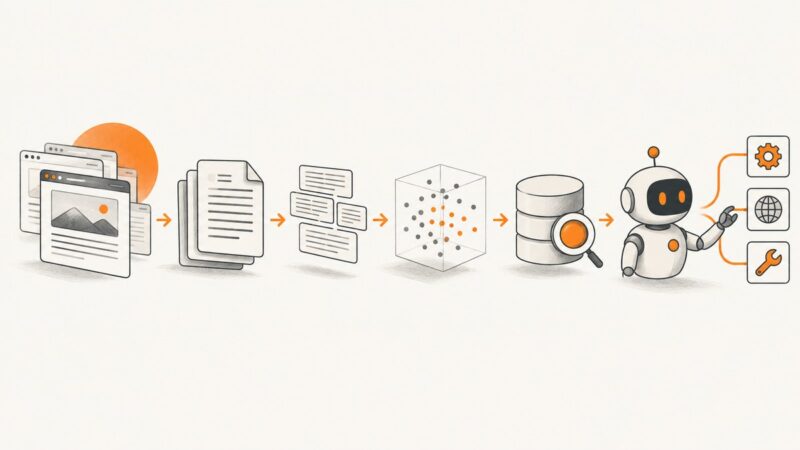
Build a reliable LangChain workflow for web ingestion, retrieval-augmented generation, and tool-using agents with practical Python and JavaScript examples.
Create a credible AI headshot with the right reference photo, prompt, review checklist, privacy checks and export settings.
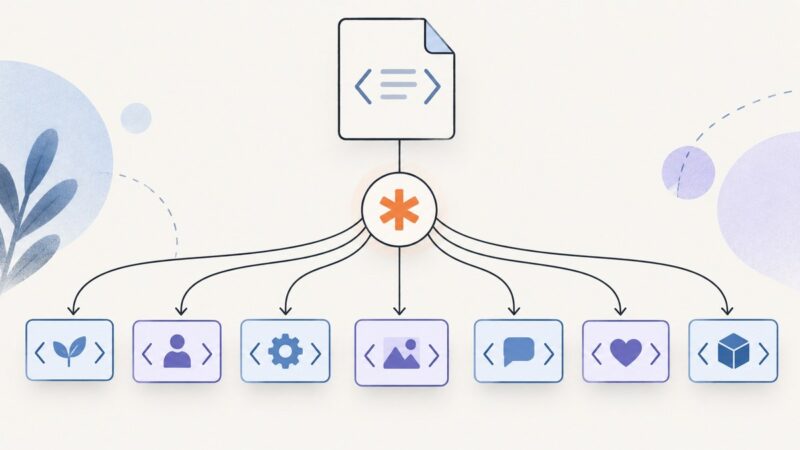
Learn how XPath’s * wildcard selects any element, child, descendant, attribute, or namespace match with runnable browser and Selenium examples.
Add a text watermark to every page of an existing PDF in Ruby with HexaPDF, control placement and opacity, and troubleshoot common PDF edge cases.