How to Fix a 401 Unauthorized Error
A 401 means the server did not accept valid credentials for the requested resource. Read its authentication challenge, check your request and credentials, and distinguish 401 from 403.
Blog
How to take clean screenshots, turn HTML into images and PDFs, run headless browsers, and give AI agents eyes. Written by the team that builds ScreenshotNeo.
A 401 means the server did not accept valid credentials for the requested resource. Read its authentication challenge, check your request and credentials, and distinguish 401 from 403.
Compare 17 API gateways by deployment, security, protocols, operations, and cost, then choose a shortlist that fits your architecture.
Enable HTTP/2 in Tomcat by adding its upgrade protocol to the right connector, then verify TLS, ALPN, proxy behavior, and stream capacity.
Create reliable PDFs from webpage URLs in Python with Playwright, WeasyPrint, or Selenium. Includes layout settings, troubleshooting, security, and automation.
Compare Flask and Django’s built-in features, architecture, performance, and deployment to choose the right framework for your project.
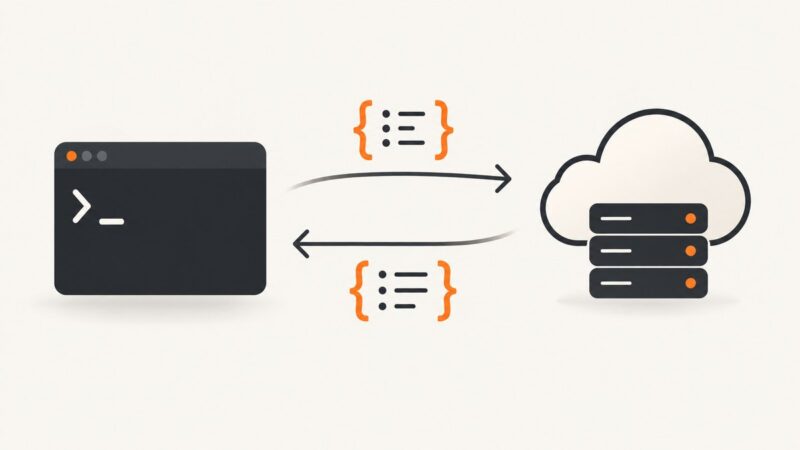
Learn how to retrieve, format, validate, and POST JSON with cURL, including headers, jq, authentication, debugging, retries, and common errors.
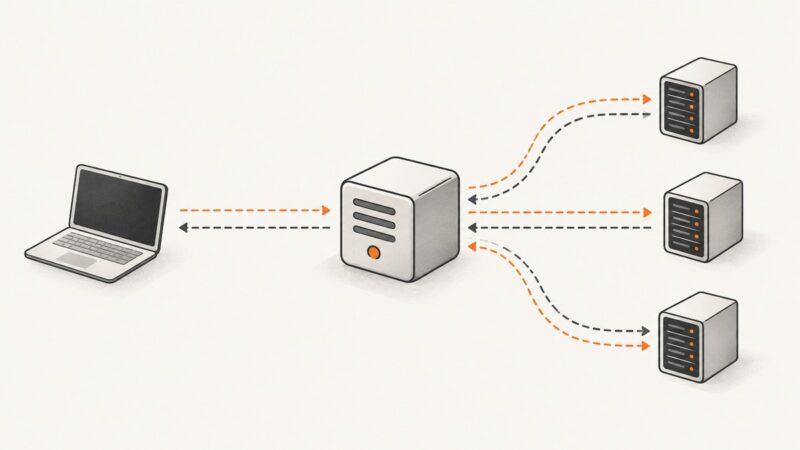
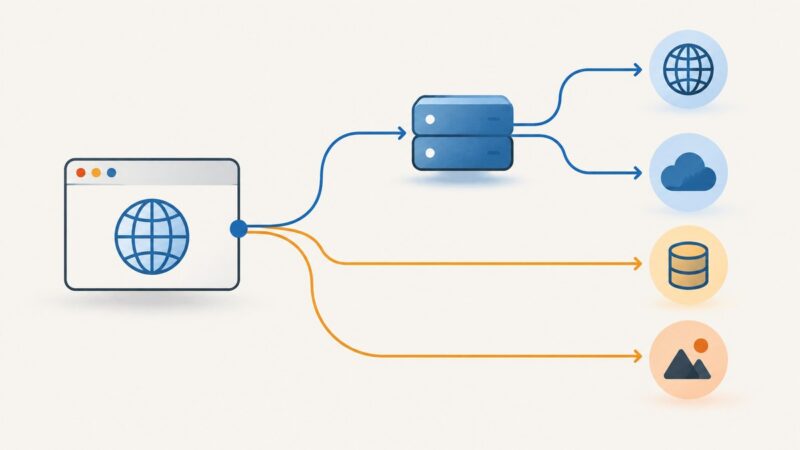
Proxies differ by where they sit in a connection and what traffic they handle. Learn how forward, reverse, HTTP, SOCKS, and transparent proxies work.
Convert rendered HTML and CSS into PNG, JPEG, WebP, or SVG with Playwright, html2canvas, and a hosted screenshot API.
Send custom headers with Ruby’s Net::HTTP, from a one-line GET to authenticated JSON POSTs. Includes TLS, defaults, debugging, and common fixes.
Learn how to parse MIME emails, Gmail and Outlook messages, attachments, and invoices, then compare Python, APIs, Zapier, Mailparser, and Parseur.
Use Brave’s Search API for structured results, with complete Python, cURL and Node.js examples, pagination, errors, storage and scaling guidance.
A practical guide to Zed's speed, collaboration, AI, pricing, platforms, remote development, limitations, and switching decision.
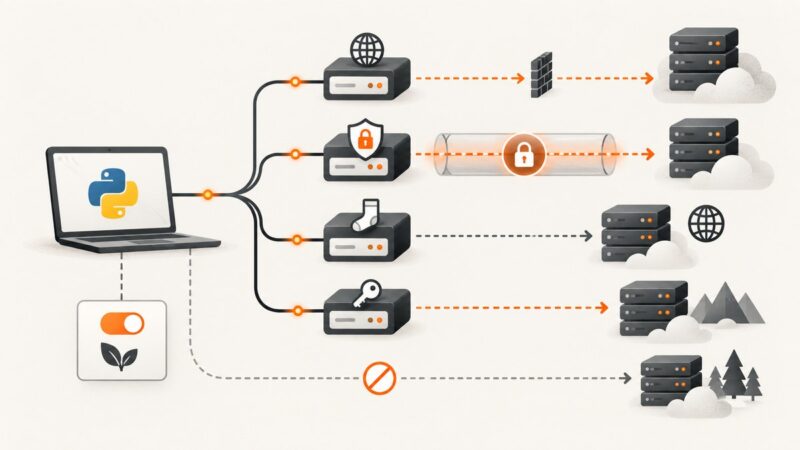
Configure HTTP, HTTPS, SOCKS, authenticated and environment proxies in Python Requests, with TLS troubleshooting, bypass rules and production guidance.
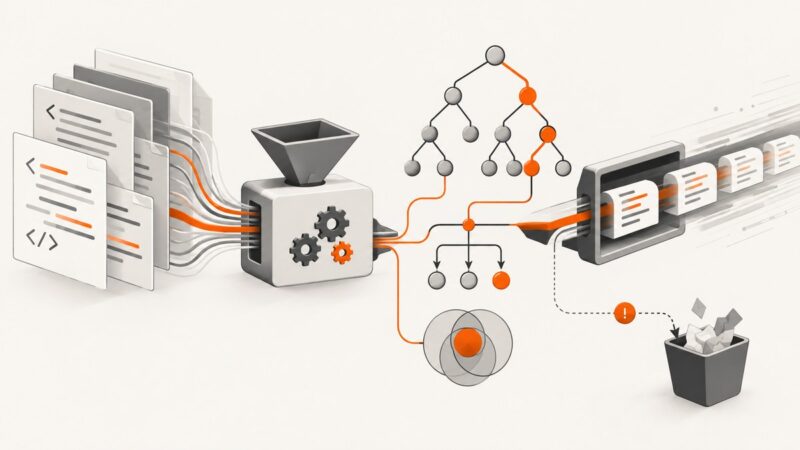
Parse HTML and XML with Python lxml: choose the right parser, query with XPath, handle namespaces, stream large files, and avoid common errors.
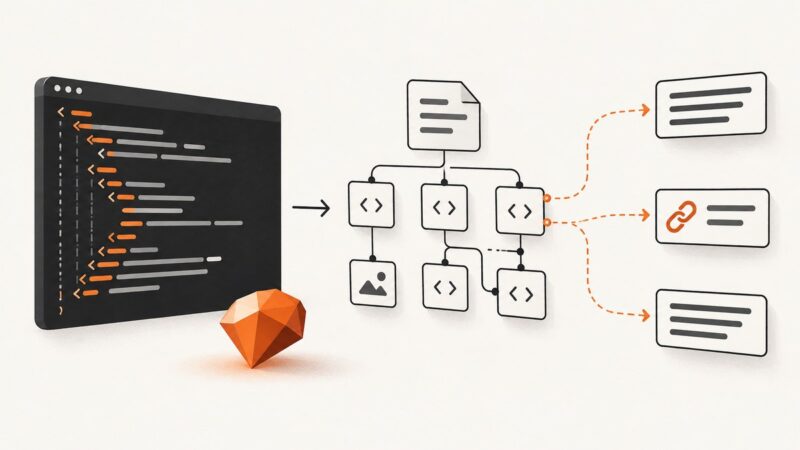
Learn to parse HTML in Ruby with Nokogiri, choose HTML4 or HTML5, query with CSS and XPath, handle encoding, and avoid common failures.
Configure a PAC file to route browser requests through a proxy or directly, with examples, platform setup guidance, security notes, and troubleshooting.
Retail scraping attacks remain high as AI crawlers and shopping agents focus on product discovery. Here’s what the 2025 data means for retailers in 2026.
Configure an embedded editor’s starting size, manual resize handle, or content-driven height growth. Includes TinyMCE and CKEditor examples and troubleshooting.