How to Add Custom Headers and Footers to PDFs in Node.js
Add repeating headers, footers, and page numbers to PDFs in Node.js with Puppeteer or pdf-lib. Choose the right workflow and handle margins, page sizes, and common errors.
Blog
How to take clean screenshots, turn HTML into images and PDFs, run headless browsers, and give AI agents eyes. Written by the team that builds ScreenshotNeo.
Add repeating headers, footers, and page numbers to PDFs in Node.js with Puppeteer or pdf-lib. Choose the right workflow and handle margins, page sizes, and common errors.
Learn how to save one image, bulk-download page images, find original URLs, handle lazy loading, and avoid copyright and extension-permission mistakes.
Connect any language model to a real browser with a controlled observe–act–verify loop, reliable locators, runnable Playwright code, and safety checks.
Compare official and managed AliExpress APIs, then build reliable product search, detail, price, review, and market-aware workflows.
Create a text watermark with ReportLab, merge it onto every PDF page with pypdf, and control its layer, position, rotation, and opacity.
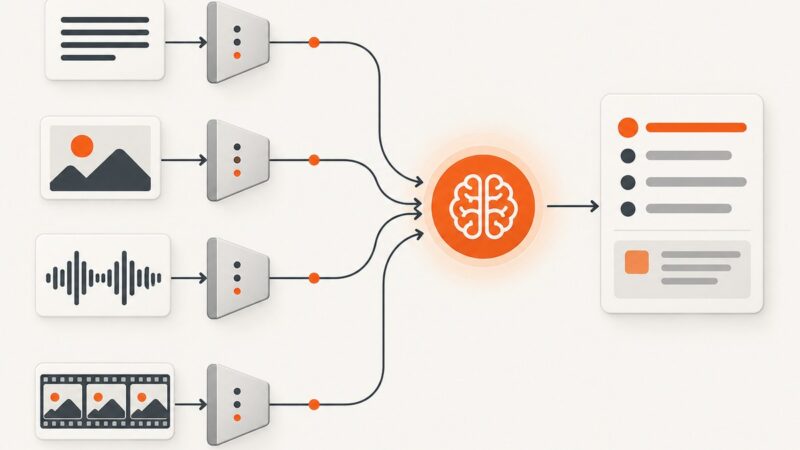
Learn what multimodal AI is, how models combine text, images, audio and video, where it works, and how to build reliable applications.
Capture websites from Ruby with hosted APIs or Ferrum, including full-page, selector, authenticated, reliable and production-ready examples.
Add branded headers, footers, dates, and page numbers to HTML-to-PDF files with Puppeteer, wkhtmltopdf, WeasyPrint, and Prince.
Learn how oEmbed discovery, provider endpoints, and consumer policies turn supported URLs into safe embeds—and where the “any URL” promise ends.
Guzzle sends HTTP headers; your PDF engine renders visible headers and footers. See how to add repeating page content with mPDF, TCPDF, or Dompdf.
Build repeatable, on-brand social graphics with structured data, reusable templates, AI assets, batch review, and production automation.
Add a text watermark to every PDF page in Node.js with pdf-lib, including styling, custom fonts, troubleshooting, and production guidance.
Roo Code was an open-source VS Code coding agent, but its official project shut down on May 15, 2026. Learn what it did, its risks, costs, and alternatives.
Learn how to collect JavaScript-rendered web data with Playwright or Selenium, handle sessions and waits, and avoid common automation failures.
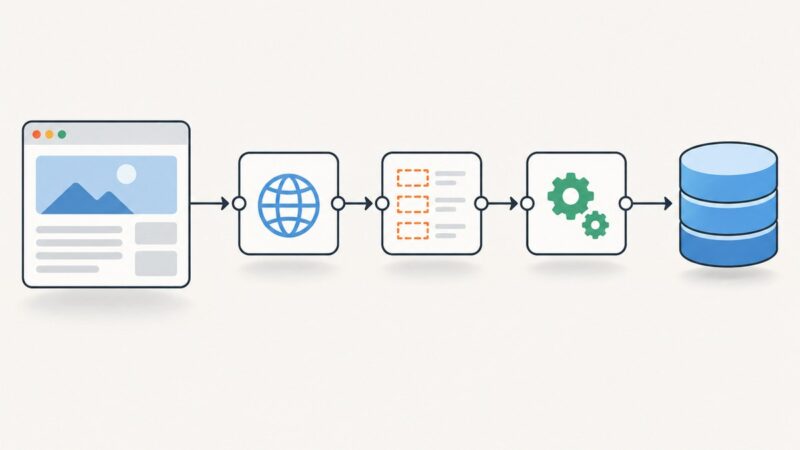
Build an n8n scraper that fetches pages, extracts reliable fields, optionally adds AI summaries, and routes results with retries and troubleshooting.
Add transparent text or a logo to a screenshot with Pillow. Learn corner placement, sizing, opacity, CLI options, and fixes for common problems.
Compare eight AI coding tools by workflow, price, privacy and limits. Find the right fit for your IDE, terminal, cloud and team.
Compare Selenium, Cypress, and Playwright by language, browser coverage, CI workflow, and debugging needs, with runnable setup examples for each.