What Is a Headless Browser? How It Works and When to Use One
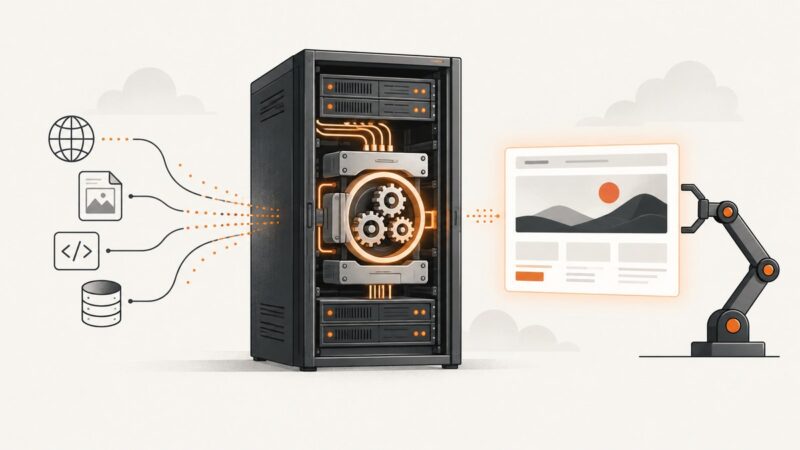
Learn what headless browsers are, how Chrome, Puppeteer, Playwright and Selenium run without a UI, and when to use them in CI, testing and automation.
Puppeteer, Playwright, Selenium and headless Chrome, and what they take to run well.
Learn what headless browsers are, how Chrome, Puppeteer, Playwright and Selenium run without a UI, and when to use them in CI, testing and automation.
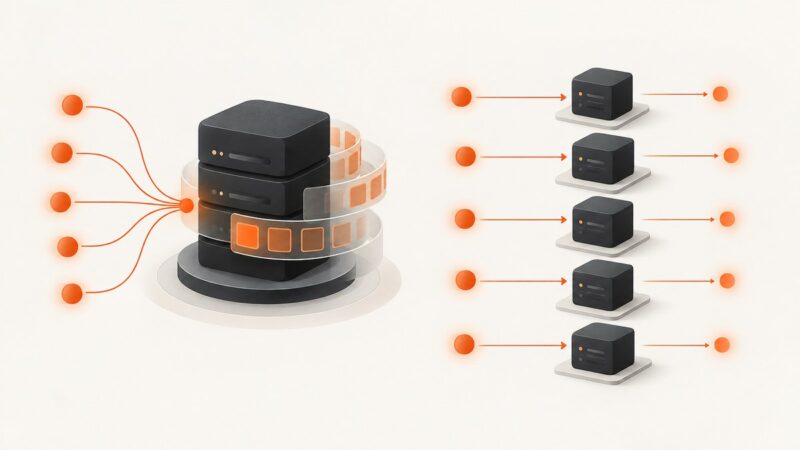
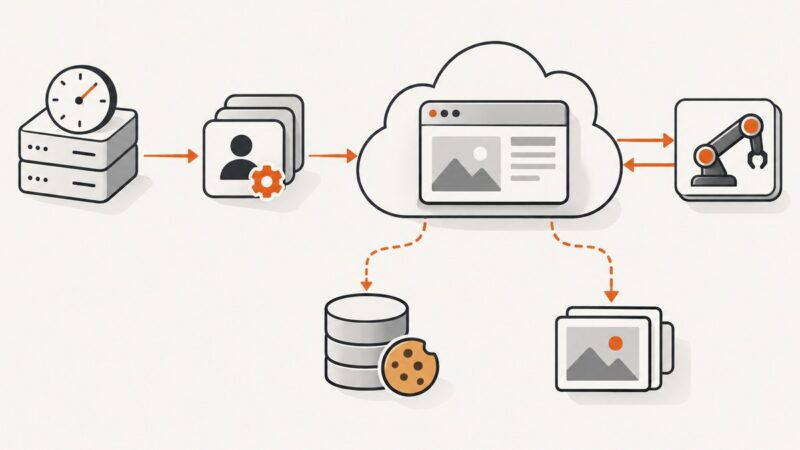
Stateful systems retain context between requests; stateless systems handle each request independently. Learn the trade-offs, scaling patterns, and examples.
Learn how Camoufox fingerprints work, how to use it with Playwright, where it fails, and how to scrape responsibly in 2026.
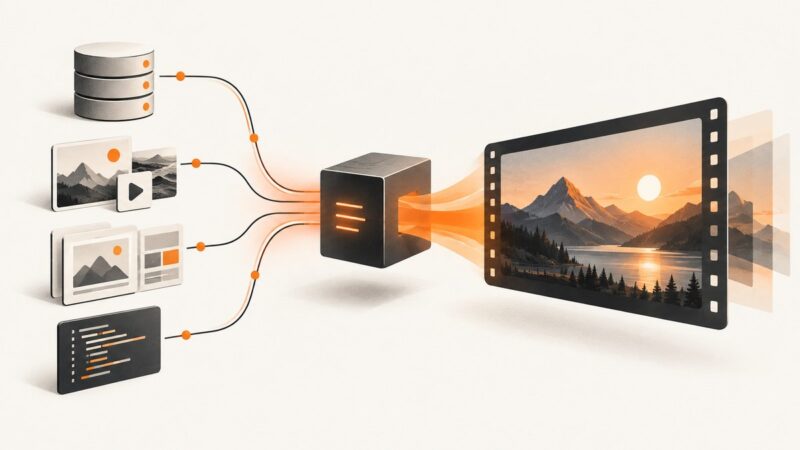
Compare video automation APIs, choose templates or code, implement async rendering, and control assets, retries, costs, and delivery.
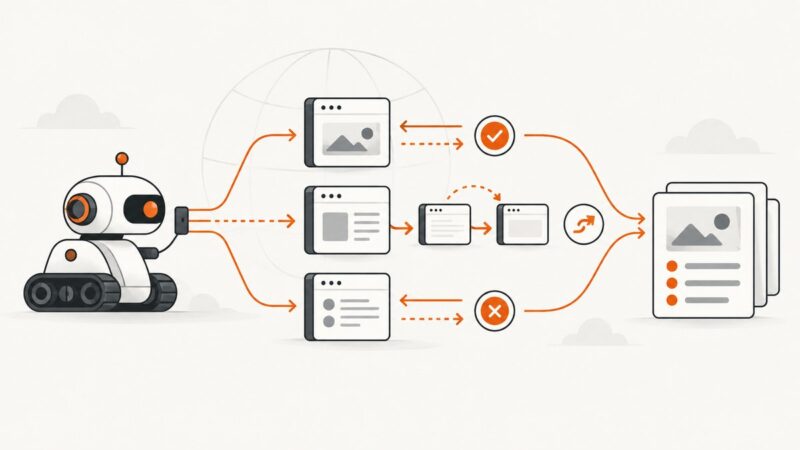
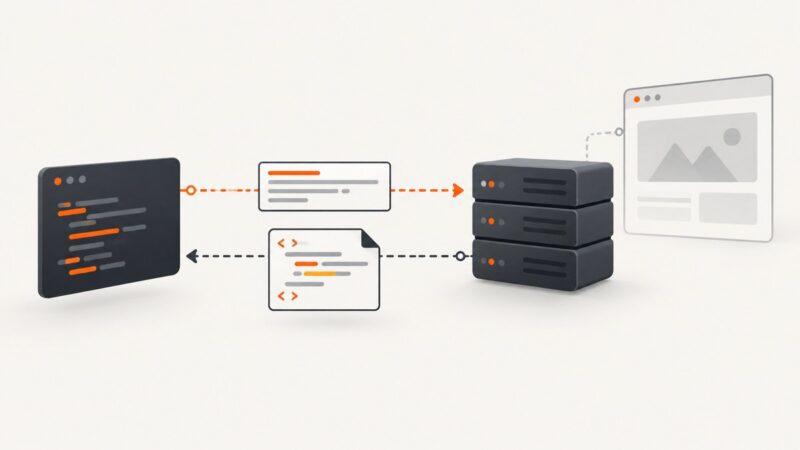
Learn how HTTP powers web scraping, how to handle robots.txt, 429 and 503 responses, retries, rate limits, and reliable scraper design.
Stop screenshot API 429 errors with queues, backoff, caching, quota monitoring, and practical retry code for production systems.
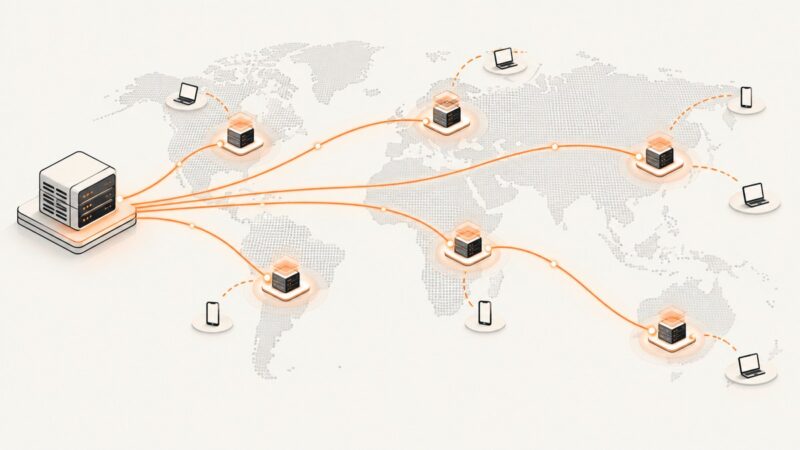
Learn how CDNs reduce latency with edge caching, routing, protocols, and practical cache rules for websites and APIs.
Learn how cloud browser profiles, engines, automation controllers and session data fit together—and what fingerprint controls can and cannot promise.
Learn what browser performance fingerprints measure, how to run a careful timing and hardware test, and how to interpret results without overclaiming.
BigBlueButton's public guide documents the server and HTML5 client workflow, but not a canonical E2E runner. Here is how to validate real meeting flows and add browser tests without guessing.
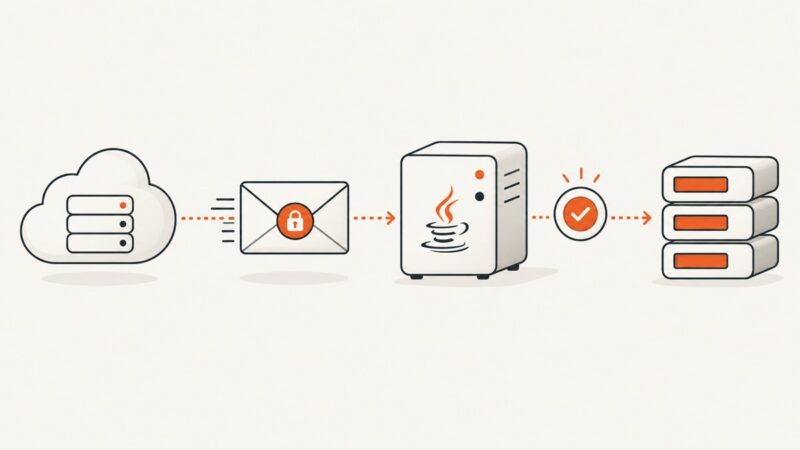
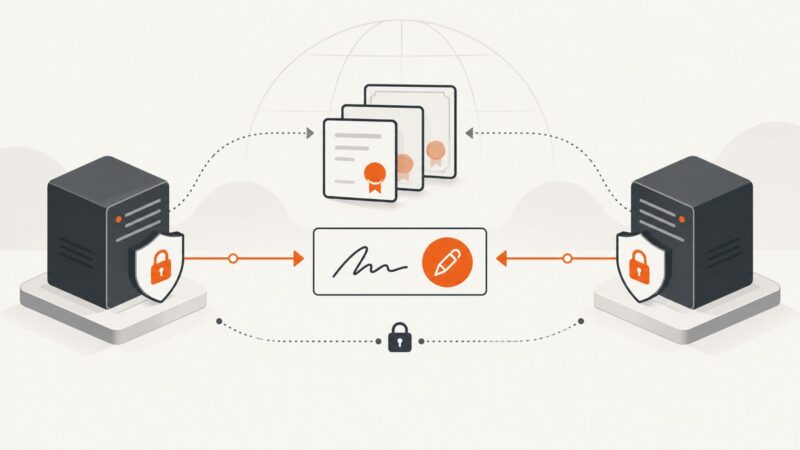
Learn how TLS clients and servers choose signature schemes, why RSA certificates can fail in TLS 1.3, and how to diagnose negotiation errors.
A practical guide to responsible scraping: robots.txt, resilient extraction, rate limits, browser automation, troubleshooting, and safer operations.
Learn how to parse, validate, secure, deduplicate, and route website-monitoring webhook alerts, recoveries, and test events across providers.
Learn how modern bot detection combines network, browser, and session signals—and how to build privacy-aware controls that distinguish legitimate automation from abuse.
Build layered anti-scraping defenses with calibrated rate limits, bot signals, selective challenges and business rules that protect real users.
HTTP 507 means a server could not store what it needed to complete a request. Learn what causes it, how to diagnose it, and what to do next.
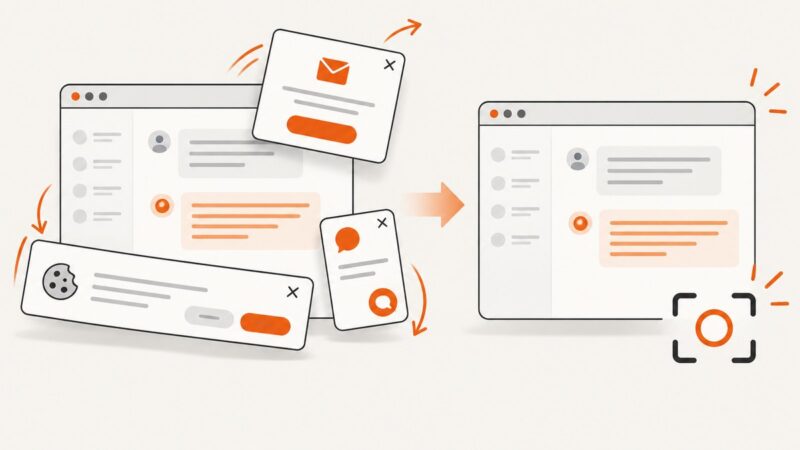
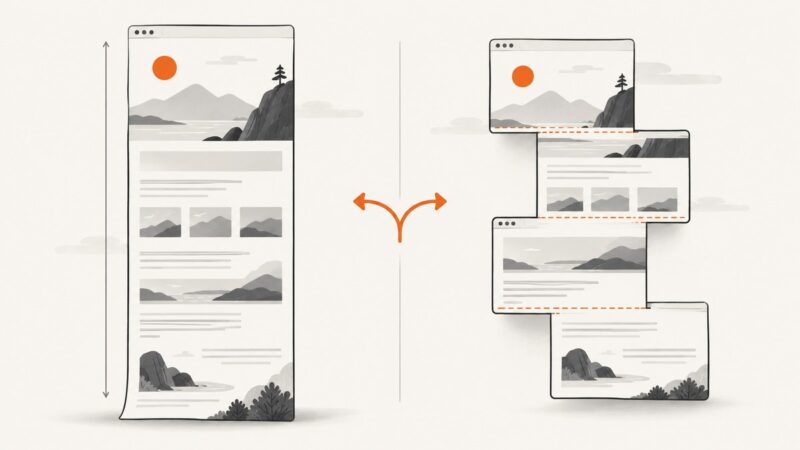
Choose browser-native full-page capture for most pages; use scroll-and-stitch when you need control over tiles, seams, or unusual layouts.
Use eight Docker CLI tools to inspect containers, diagnose incidents, track resources, and manage Compose applications from the terminal.