5 Ways Web Scraping Can Improve Developer Workflows
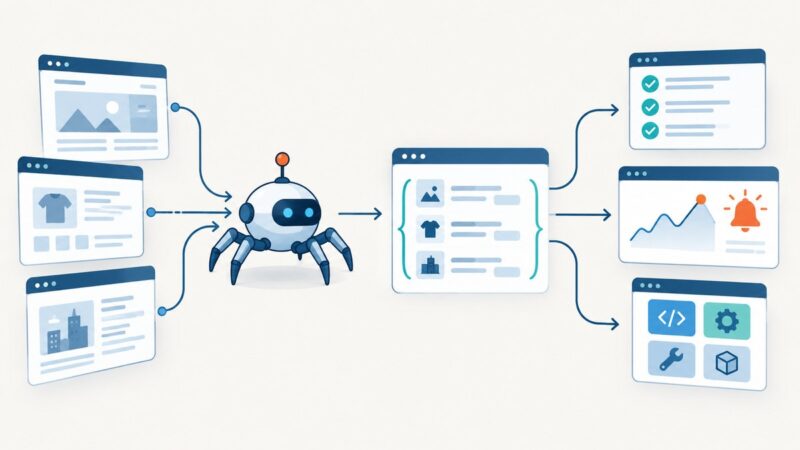
See five practical ways scraping improves developer workflows, from structured data and tests to monitoring, browser automation, and reusable outputs.
Puppeteer, Playwright, Selenium and headless Chrome, and what they take to run well.
See five practical ways scraping improves developer workflows, from structured data and tests to monitoring, browser automation, and reusable outputs.
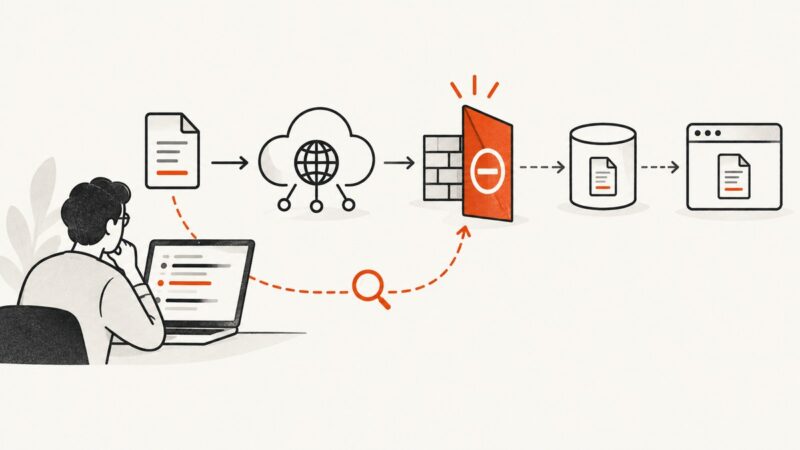
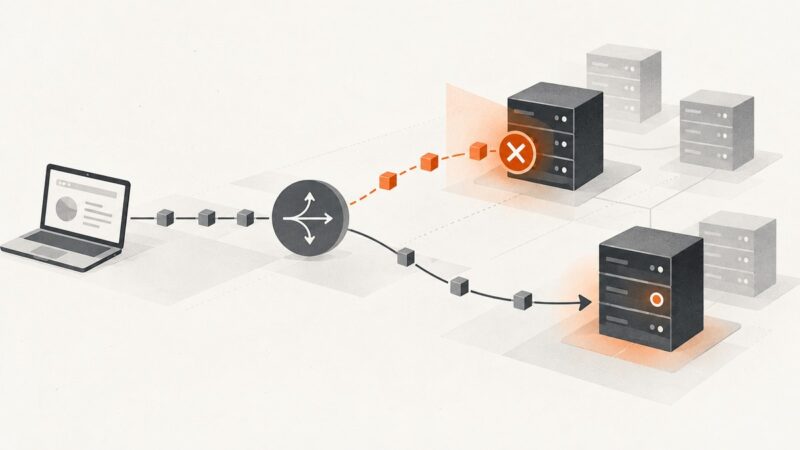
NGINX 444 closes the connection without a response. Learn why it happens, how to trace the rule, and when to use 429 or 503 instead.
An HTTP 504 means a gateway or proxy did not receive a timely response from an upstream server. Learn what causes it and how to fix it.
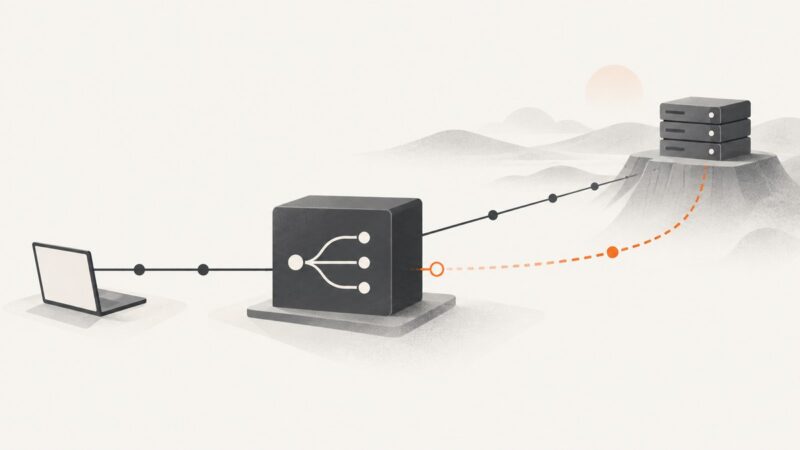
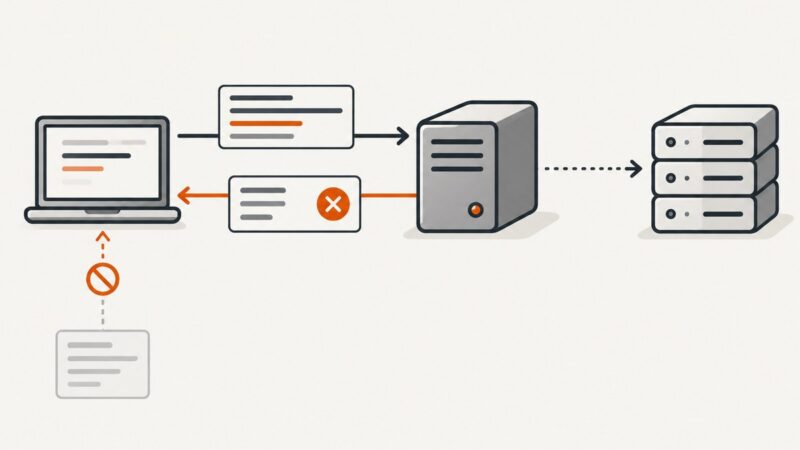
Learn what proxy 4xx and 5xx responses mean, how dropped connections differ from HTTP errors, and how to trace the failing hop.
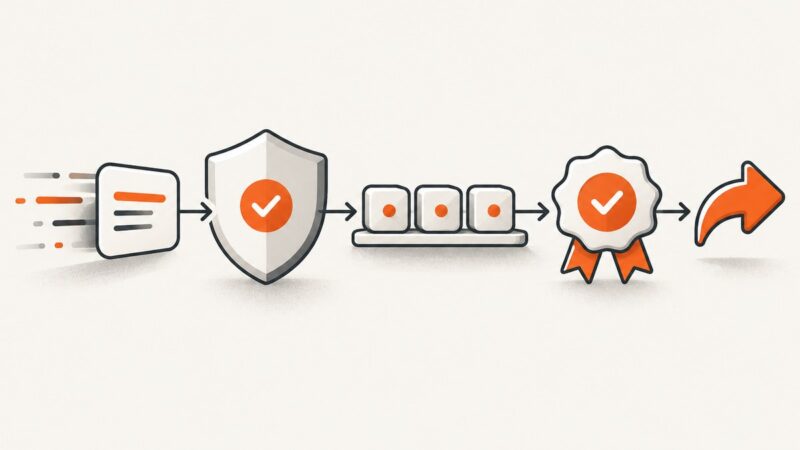
Build a reliable webhook pipeline that verifies events, prevents duplicates, issues Open Badges, and delivers a shareable verification URL.
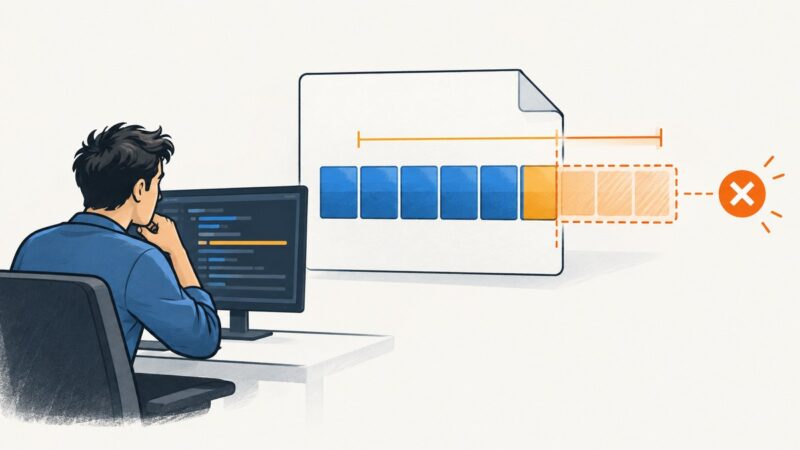
Learn why HTTP 416 happens, how to read Content-Range, fix stale offsets, and build reliable resume logic in cURL, Python, and Node.js.
HTTP 428 means an API requires a conditional request. Learn how to use ETags, fix 428 versus 412, and prevent lost updates.
A 499 usually means the client closed its connection before the server finished. Learn how to trace the request, distinguish cancellations from slow origins, and reduce avoidable occurrences.
HTTP 418 is a joke status code from RFC 2324. Learn its meaning, history, 503 comparison, bot use, debugging steps, and code examples.
HTTP 413 means a server or intermediary refused request content because it exceeded an acceptable size. Find the layer imposing the limit and choose the right fix.
HTTP 431 means a request’s headers exceed a limit set by a server or intermediary. Find the oversized field, reduce it, and retry.
HTTP 406 means the server cannot provide a representation matching your request headers. Learn how content negotiation works and how to fix it.
HTTP 421 means your request reached a server or connection that cannot serve its target authority. Learn the causes, diagnostics, and fixes.
HTTP 424 means a requested action failed because a prerequisite operation failed. Learn how to find the root error and fix WebDAV workflows.
HTTP 403 means a server understood your scraping request but refuses it. Learn what it signals, how to diagnose it, and what to do next.
HTTP 417 means a server or intermediary rejected an expectation in your request. Learn why it happens and how to fix Expect: 100-continue safely.
HTTP 425 means a server rejected a possibly replayable TLS 1.3 early-data request. Learn why it happens and how to retry safely.
HTTP 414 means a server rejected an overlong request target. Learn why it happens, how to trace it, and how to fix it in clients and servers.