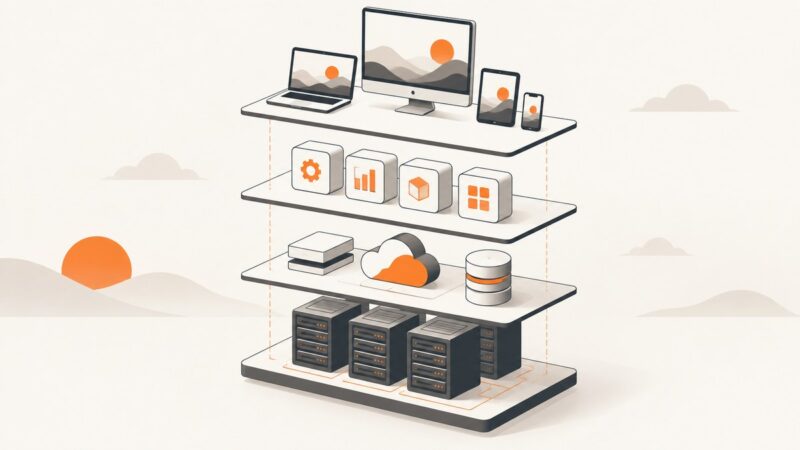
Cloud Service Models Explained: SaaS, PaaS, DaaS, IaaS, and More
Learn how SaaS, PaaS, IaaS, Desktop as a Service, and FaaS differ—and how to choose a model based on control, effort, and responsibility.
Step-by-step guides to capturing the web: screenshots, full pages, elements, devices and more.
Learn how SaaS, PaaS, IaaS, Desktop as a Service, and FaaS differ—and how to choose a model based on control, effort, and responsibility.
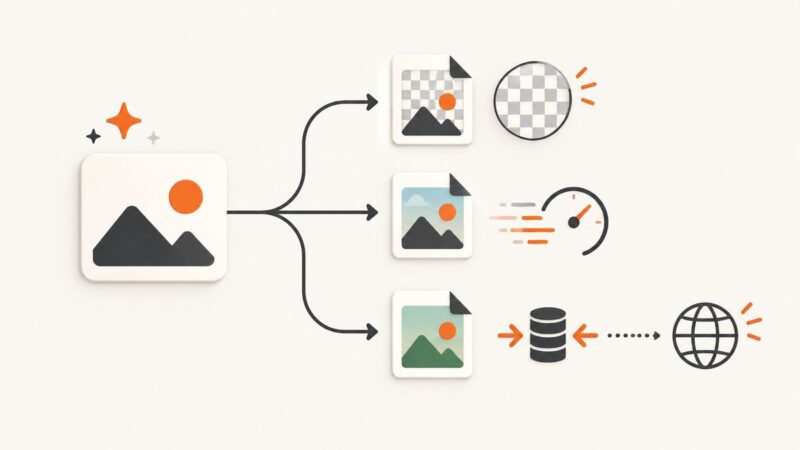
Choose PNG, JPEG, or WebP for image-generation requests based on transparency, speed, compression, and delivery requirements.
Screenshot APIs can capture SVG rendered in a browser, but that does not mean they return editable SVG. Learn how to capture SVG reliably and choose the right output.
A practical workflow to identify web fonts, verify the right license, document evidence, and catch implementation problems without treating a scanner as legal proof.
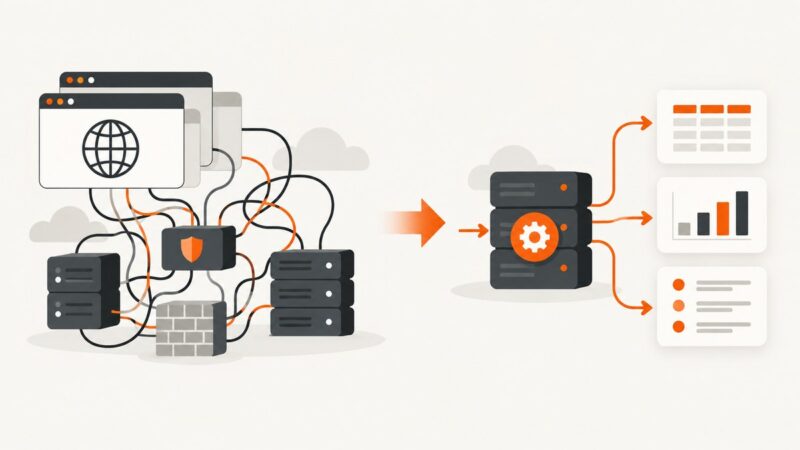
Learn how scraping APIs fetch, render, and extract web data, when to use one, and how to weigh managed services against a DIY scraper.
Learn how to install chromedp, launch headless Chrome, run your first Go automation, debug visible sessions, and handle cleanup reliably.
Guzzle is not built into PHP. Learn how Composer installs it, how native streams differ, and how to fix common setup errors.
Design templates can become social graphics, websites, books, products, and more. Learn what to make, how to choose a template, export files, and avoid licensing mistakes.
Learn when browser automation helps collect page data, how to inspect network requests with Playwright, and how to handle access, reliability, and cost.
Learn when screenshots help SEO, how to capture and optimize them, write useful alt text, improve speed, and publish accessible images.
Learn when to use Colly, goquery, or chromedp for Go web scraping, with runnable code, limits, troubleshooting, and a browserless screenshot option.
Plan a safe move from Oxylabs or a custom scraping stack to an API workflow: map your workload, port requests, validate results, and compare real costs.
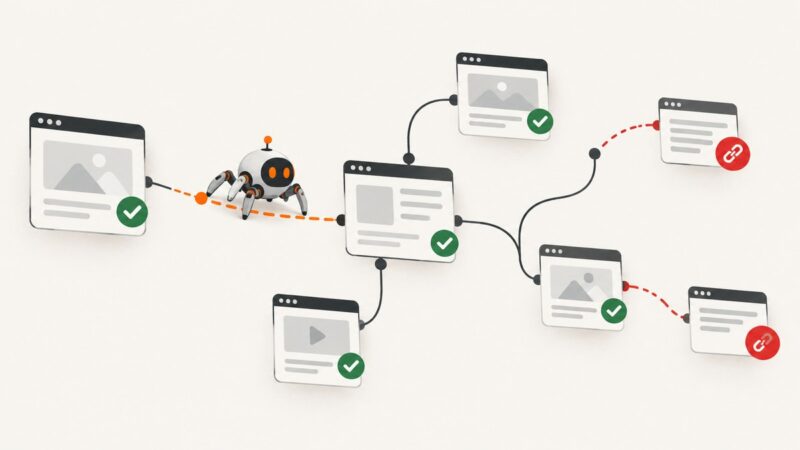
Automate broken-link checks with scheduled crawls, CI validation, retries, anchor checks, and clear failure policies for every site type.
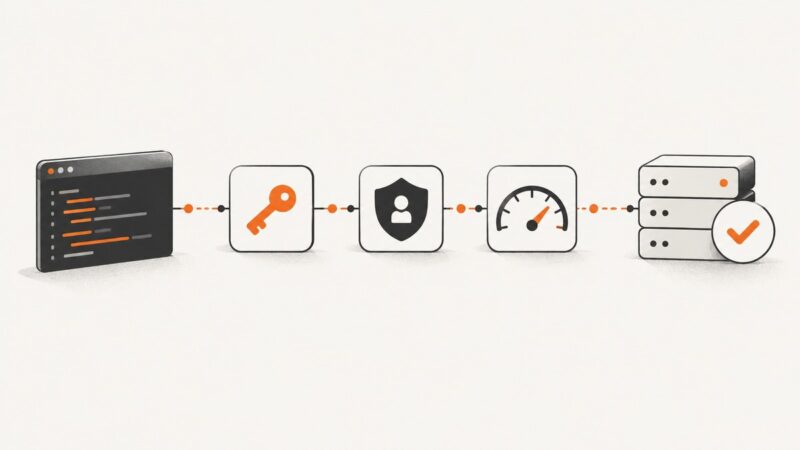
A practical, provider-neutral method to diagnose 400, 401, 403, 404, 429 and 5xx API errors, retry safely and escalate with useful evidence.
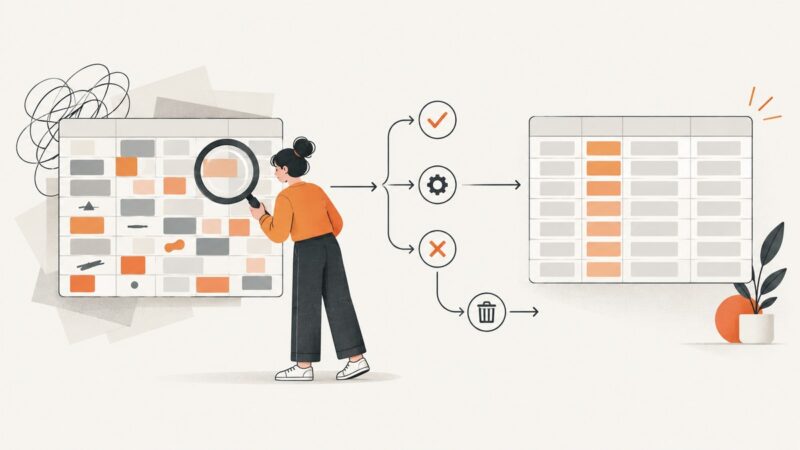
Clean tabular data in Python with a careful pandas workflow for missing values, inconsistent text, types, and duplicates—without hiding important information.
Google does not offer a general Search autocomplete volume API. Use Google Ads Keyword Planning for metrics and Places Autocomplete for location search.
Learn when to use OCR, document AI, APIs, or RPA for data entry—and how to build a workflow that validates results and handles exceptions.
Learn how to send website screenshots to GPT Vision, improve text accuracy, automate analysis, troubleshoot failures, and control API costs.