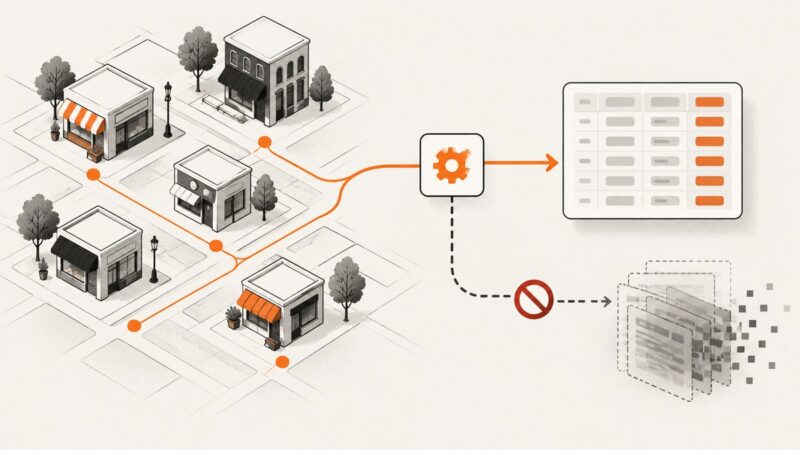
E-Commerce Scraping Automation: Build a Reliable Product Data Pipeline
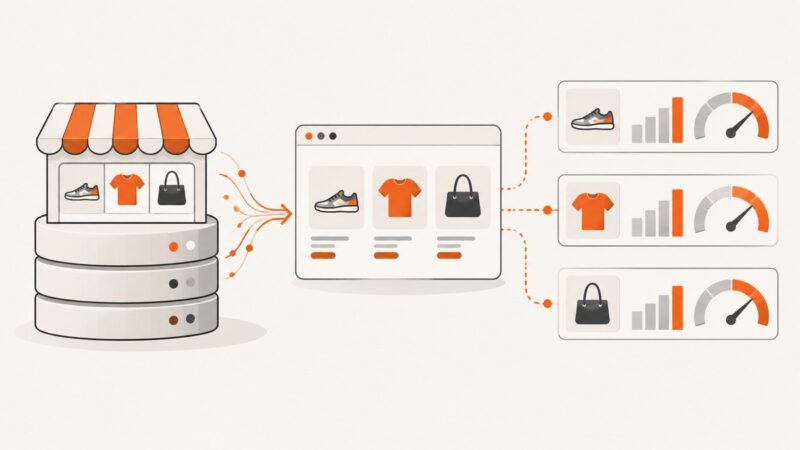
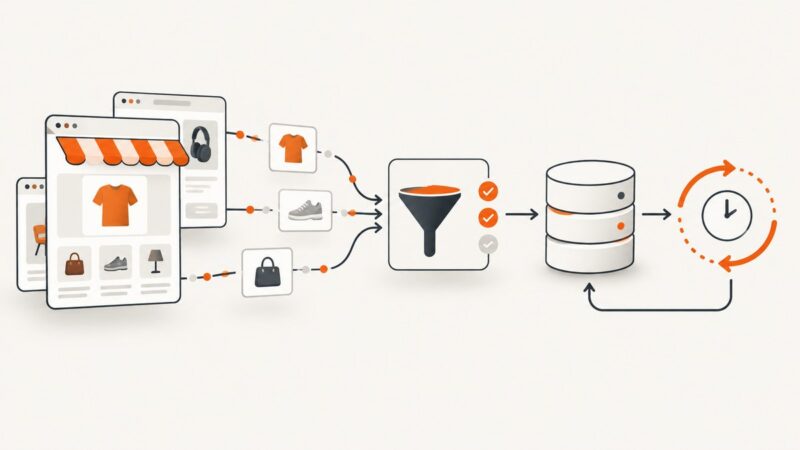
Build an e-commerce data workflow that collects authorized product data, validates it, stores dated results, and recovers cleanly when pages change.
Step-by-step guides to capturing the web: screenshots, full pages, elements, devices and more.
Build an e-commerce data workflow that collects authorized product data, validates it, stores dated results, and recovers cleanly when pages change.
Learn how to source local business data responsibly, compare the Places API with scraping, and build a compliant lead workflow.
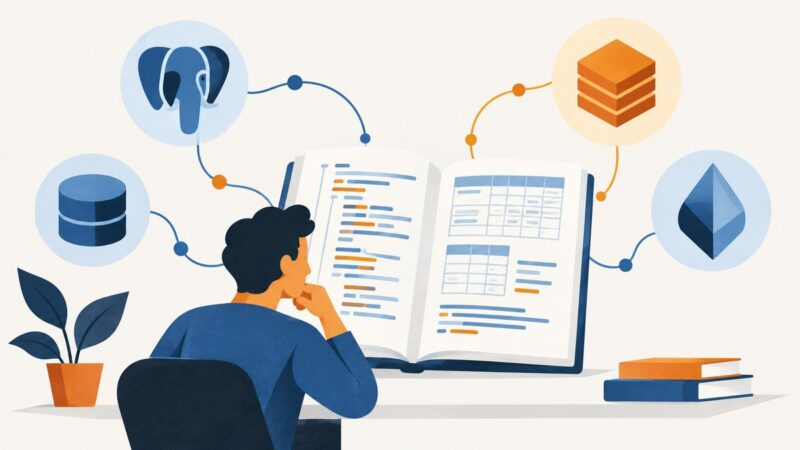
A practical SQL syntax reference for PostgreSQL, MySQL, SQLite and SQL Server, with joins, aggregation, windows, CTEs and fixes.
Generate accurate AI meta titles and descriptions with source grounding, validation, Google guidance, and a practical publishing workflow.
Cloud proxies change where scraping requests come from, not whether a site permits them. Compare proxy types, costs, managed APIs, and responsible ways to choose.
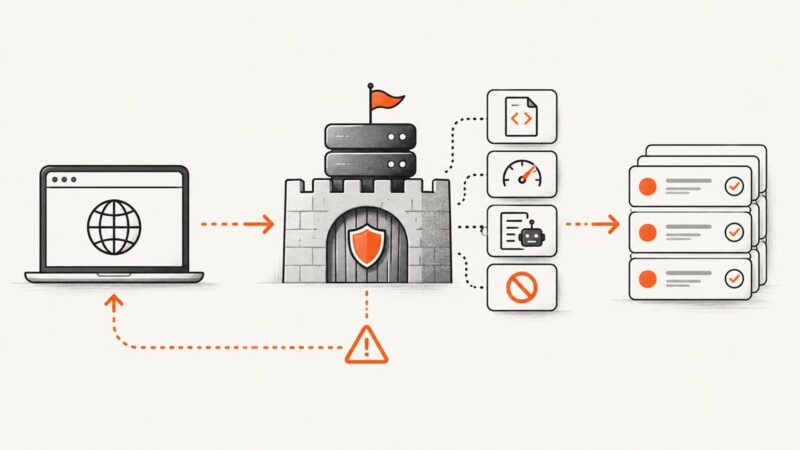
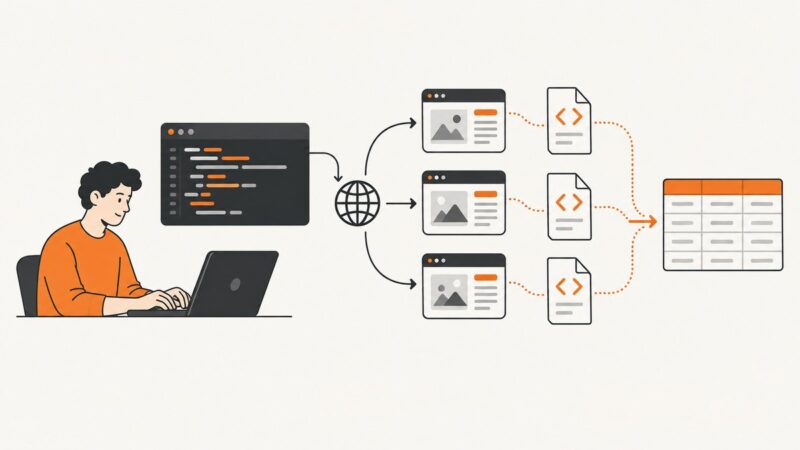
Solve 403s, JavaScript rendering, rate limits, changing selectors and legal risks with a reliable, maintainable web-scraping workflow.
Learn how webpage change monitors work, build a simple Python tracker, choose useful alerts, and reduce noise from dynamic pages.
A copyable SQL reference for queries, joins, grouping, windows, CTEs, data changes, and dialect differences—with fixes for common mistakes.
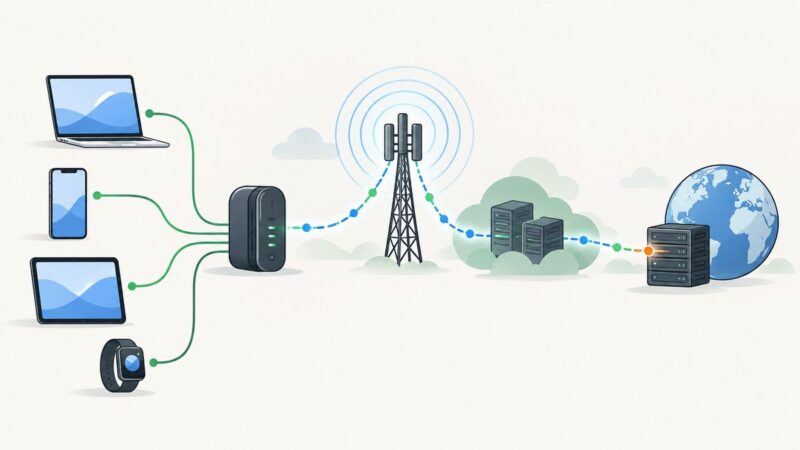
Mobile proxies route traffic through cellular connections, while CGNAT lets carriers share IPv4 addresses. Learn how they work and when to use them.
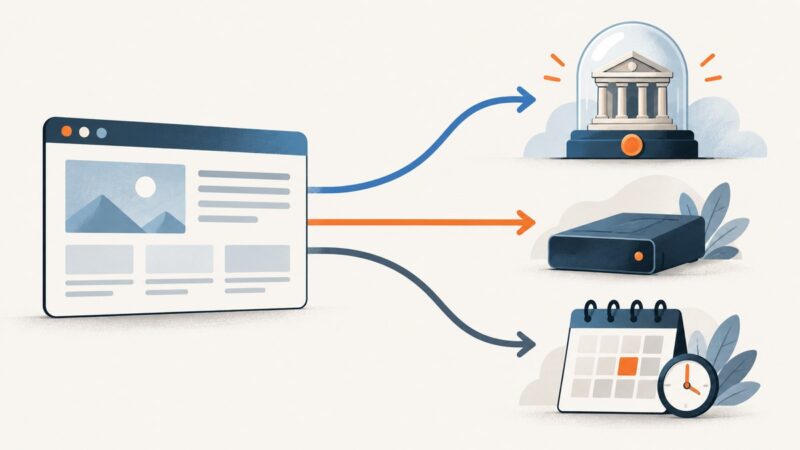
Choose the right way to archive a website: save a public snapshot, capture pages locally as you browse, or schedule a whole-site crawl.
Learn how social cards work, add Open Graph metadata, and generate route-specific images with Next.js or ScreenshotNeo.
Learn how web scraping APIs render JavaScript, handle blocks, return structured data, control cost, and support compliant production workflows.
No scraping API makes collection compliant by itself. Use this workflow to assess data, source restrictions, vendor terms and operational controls.
Google’s current Merchant API provides retailer pricing benchmarks and reports, but it is not a public product-search API. Learn the supported options and setup.
Learn how to build reliable Python Requests scrapers, parse HTML, handle JavaScript, timeouts, 403s and 429s, and operate responsibly.
Automate seven recurring sysadmin tasks with idempotent Ansible playbooks, handlers, check mode, reporting, and safe scheduling.
Learn what scraper headers actually do, how to diagnose blocks, and how to build authorized requests safely across Python, Node.js, and cURL.
Learn what scraping proxies change, when to use rotating or sticky sessions, and how to crawl responsibly without treating a proxy as permission.