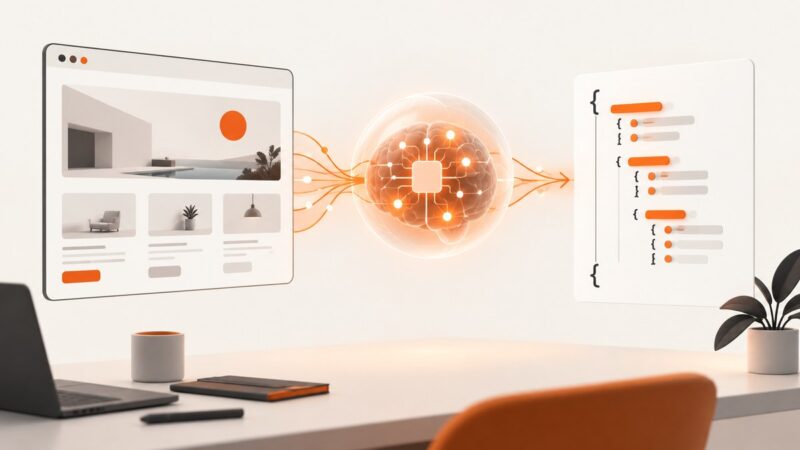
AI Screenshot Analysis with LLM Structured JSON Outputs
Turn screenshots into validated JSON with vision models, schemas, retries, and reliable capture workflows.
Turn screenshots into validated JSON with vision models, schemas, retries, and reliable capture workflows.
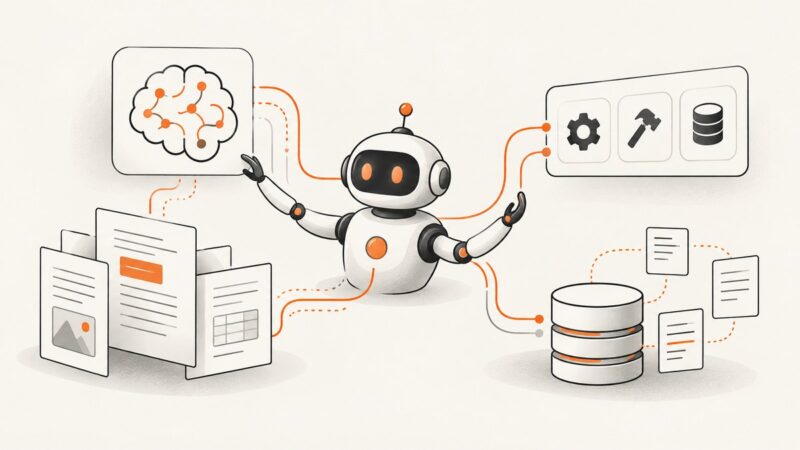
Install Qwen-Agent, connect a Qwen model, add custom tools, and build a practical retrieval workflow with safety and deployment guidance.
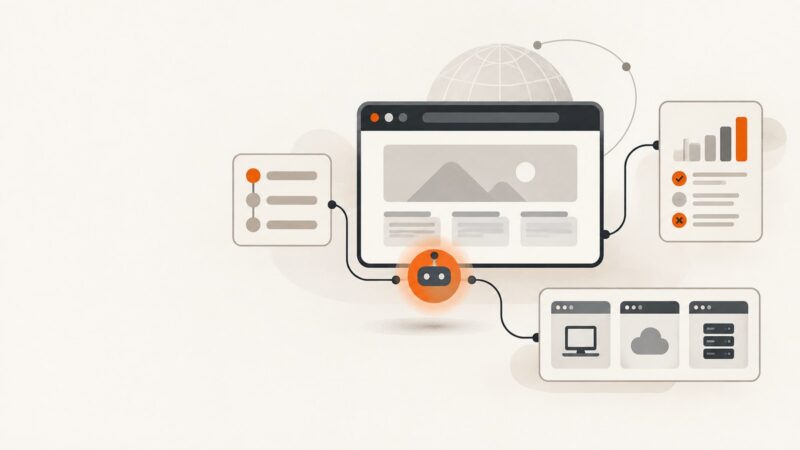
Build a bounded web agent with Stagehand, understand BrowserGym evaluation, and choose the right browser runtime for production.
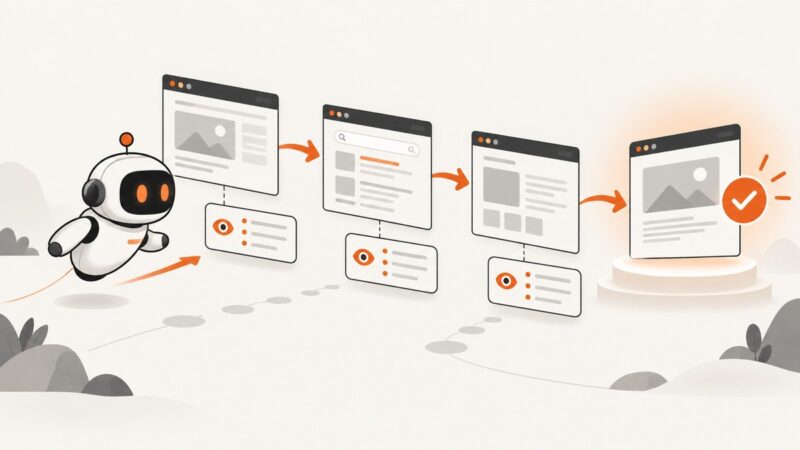
Build a controlled browser agent that observes pages, chooses actions, verifies results, and knows when deterministic Playwright is the better tool.
A practical guide to HTTP, service-worker, browser-context and AI-agent caches, with Playwright patterns, invalidation rules, isolation safeguards and code.
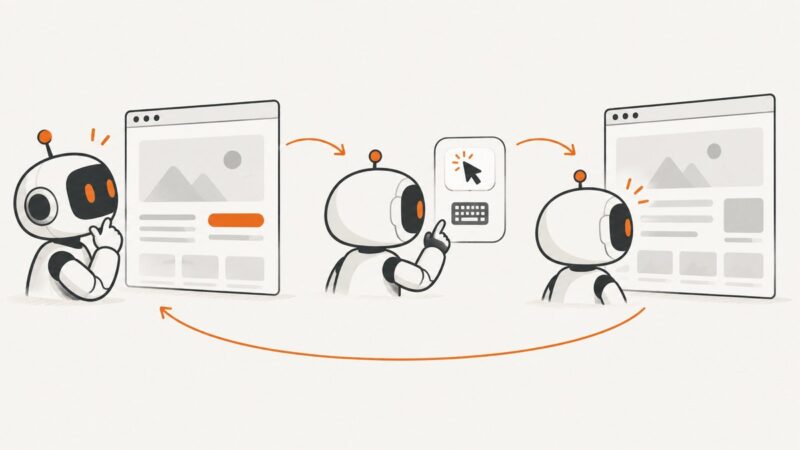
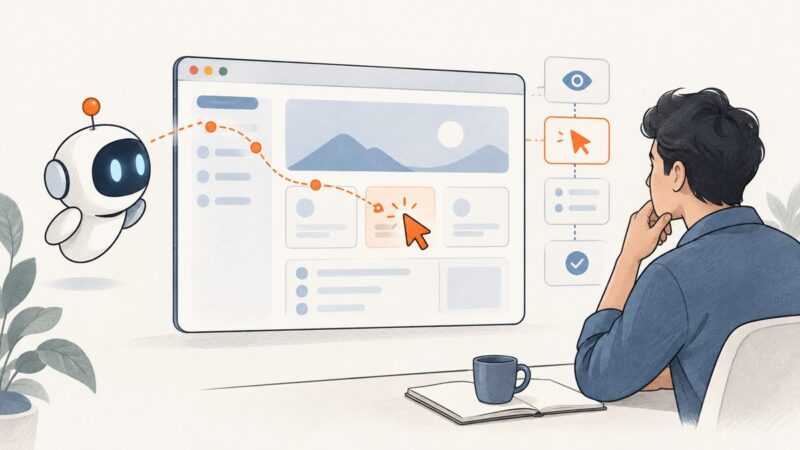
Computer-using agents operate browsers through screenshots and actions. Learn how the control loop works, where it fails, how to build safer automations, and when to use browser code instead.
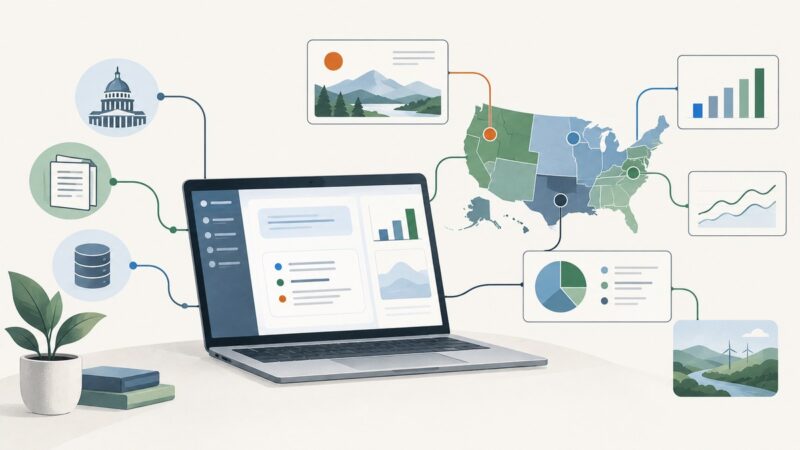
Build a browser-based sales research assistant with WebMCP and Census data. Includes a runnable Node.js backend, tool registration, security guidance, and troubleshooting.
Learn what AI auto-apply tools really do, how to review applications safely, and how to build a reliable automation workflow without sending errors.
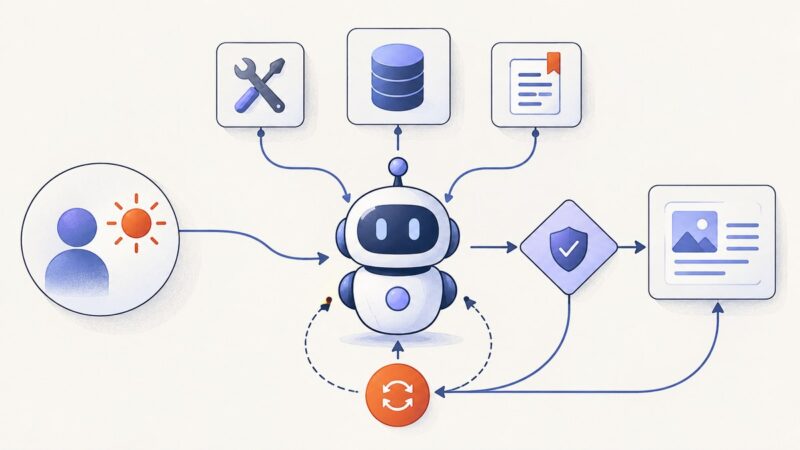
Learn how to design, tool, evaluate, secure, and deploy reliable LLM agents with practical architectures and runnable code.
Build browser-agent tests that produce useful evidence: deterministic Playwright checks for critical flows, controlled agent exploration, and artifacts that make failures diagnosable.
Build a safe agent workflow for generating PDFs: tool design, HTML rendering, Puppeteer and Playwright code, security, troubleshooting, and ScreenshotNeo.
A practical framework for proving browser agents completed tasks safely, with Playwright checks, evidence bundles, benchmarks, and red-team tests.
Use Browserless MCP to capture webpages as images or PDFs and record browser sessions as WebM, with setup steps, runnable examples, and troubleshooting.
Deploy a private browser automation service for AI agents with Docker, Playwright, security controls, health checks, scaling guidance, and alternatives.
Scale AI agent browser work with bounded queues, isolated sessions, explicit cleanup, and measured concurrency. Includes runnable Playwright code and managed-session guidance.
Make browser agents faster and more reliable with semantic locators, state-based waits, outcome assertions, and repeatable benchmarks.
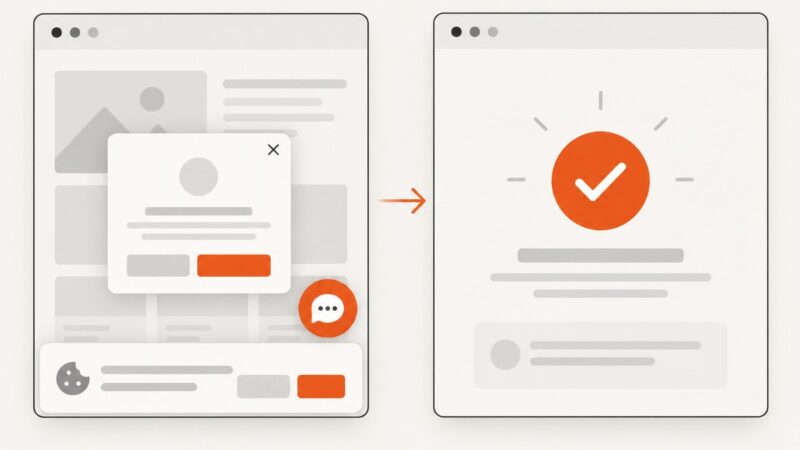
Learn how semantic HTML, clear states, recovery paths, and screenshots make websites easier for AI browser agents to use reliably.
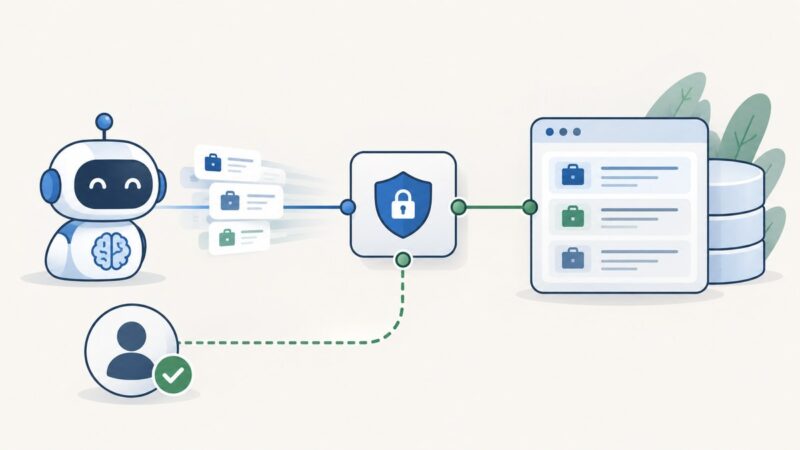
Use Ashby’s API for controlled job data pipelines or its MCP server for permission-aware AI workflows. Here’s how to choose, authenticate, paginate, and protect sensitive data.