What Is a 429 Status Code and How Can You Avoid It?
HTTP 429 means a server is rate-limiting your requests. Learn how to read Retry-After, pace traffic, retry safely, and diagnose the limit.
Blog
How to take clean screenshots, turn HTML into images and PDFs, run headless browsers, and give AI agents eyes. Written by the team that builds ScreenshotNeo.
HTTP 429 means a server is rate-limiting your requests. Learn how to read Retry-After, pace traffic, retry safely, and diagnose the limit.
Create a double border in CSS with six techniques, from native double borders to shadows and pseudo-elements. Compare spacing, colors, rounded corners, and layout effects.
A practical mongosh reference covering MongoDB CRUD, aggregation, indexes, transactions, administration, diagnostics, and production troubleshooting.
A 403 Forbidden response means the server understood your request but refuses access. Learn what causes it, how it differs from 401, and what developers can do.
HTTP 429 means a server is rate limiting requests. Learn how to read Retry-After, back off safely, and build a scraper that respects the site's limits.
HTTP 421 means your request reached a server or connection that cannot serve its target authority. Learn the causes, diagnostics, and fixes.
HTTP 407 means a proxy needs authentication before it will forward your request. Learn how to identify the proxy, read its challenge, and fix 407 errors in browsers, cURL, Python, and Node.js.
HTTP 424 means a requested action failed because a prerequisite operation failed. Learn how to find the root error and fix WebDAV workflows.
Render JavaScript pages in Scrapy with Selenium 4, explicit waits, reliable settings, troubleshooting, and a browser-free ScreenshotNeo option.
HTTP 403 means a server understood your scraping request but refuses it. Learn what it signals, how to diagnose it, and what to do next.
HTTP 417 means a server or intermediary rejected an expectation in your request. Learn why it happens and how to fix Expect: 100-continue safely.
Compare Polotno, IMG.LY CE.SDK, and Canva for Vue 3. See integration paths, runnable examples, tradeoffs, and a checklist for choosing an embedded design editor.
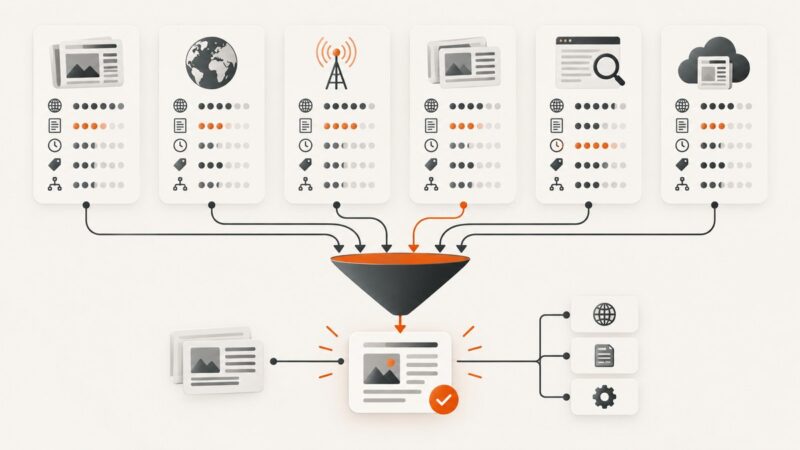
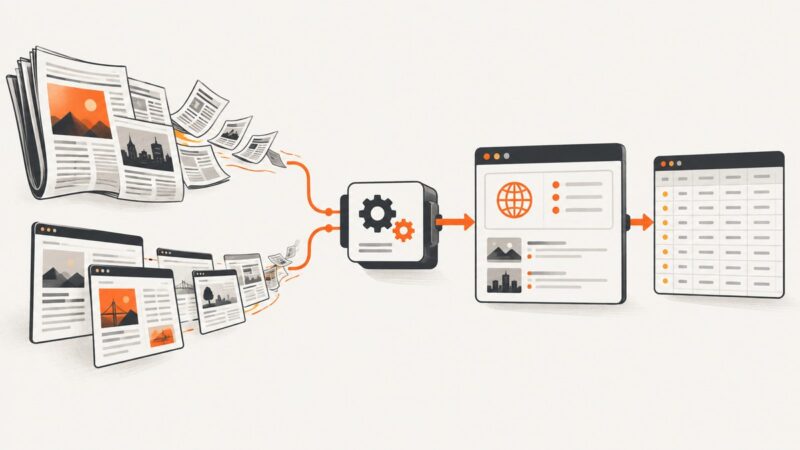
Compare six news APIs and scraping tools by coverage, full text, freshness, pricing, and workflow so you can choose the right fit.
Compare six leading AI agent frameworks in 2026 by orchestration, state, deployment, observability, and ecosystem fit.
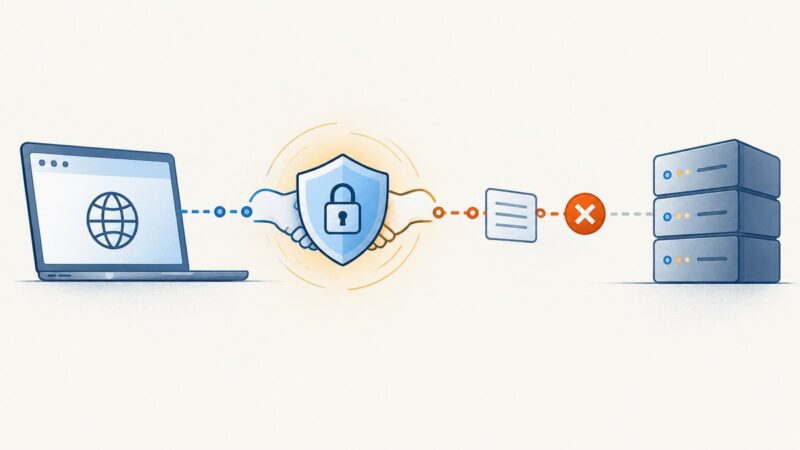
HTTP 425 means a server rejected a possibly replayable TLS 1.3 early-data request. Learn why it happens and how to retry safely.
A practical guide to five CSS tools: browser inspectors, Stylelint, Sass, and Figma, with workflows, setup decisions, and troubleshooting.
HTTP 426 means a server requires a different protocol. Learn how to read the Upgrade header, fix common client and WebSocket errors, and tell 426 from 101.
MCP gives AI applications a standard way to discover and use server capabilities. Here are five practical patterns for finding, retrieving, structuring, and combining web data.