How to Debug an Infinite Loop in Node.js Production Code
Find out whether Node.js is stuck in a synchronous loop, capture evidence safely, locate the hot function, and ship a reliable fix.
Puppeteer, Playwright, Selenium and headless Chrome, and what they take to run well.
Find out whether Node.js is stuck in a synchronous loop, capture evidence safely, locate the hot function, and ship a reliable fix.
Learn how browser session replay reconstructs user interactions, helps debug failures, protects sensitive data, and fits into a reliable workflow.
Concurrency coordinates overlapping tasks; parallelism runs computations simultaneously. Learn when to use async, threads, or processes, and how to avoid common pitfalls.
Learn how CreepJS fingerprints browsers, detect anti-fingerprinting inconsistencies, and run a defensible, privacy-aware test.
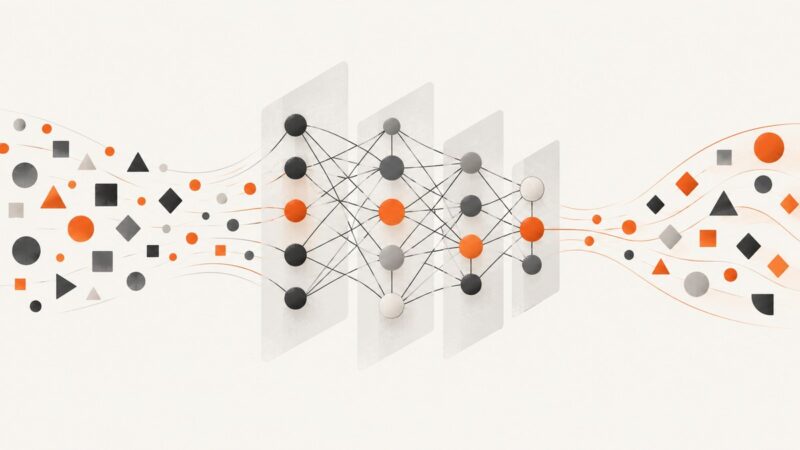
A large language model predicts tokens from context. Learn how tokens, transformers, training, and inference fit together—and why fluent answers can still be wrong.
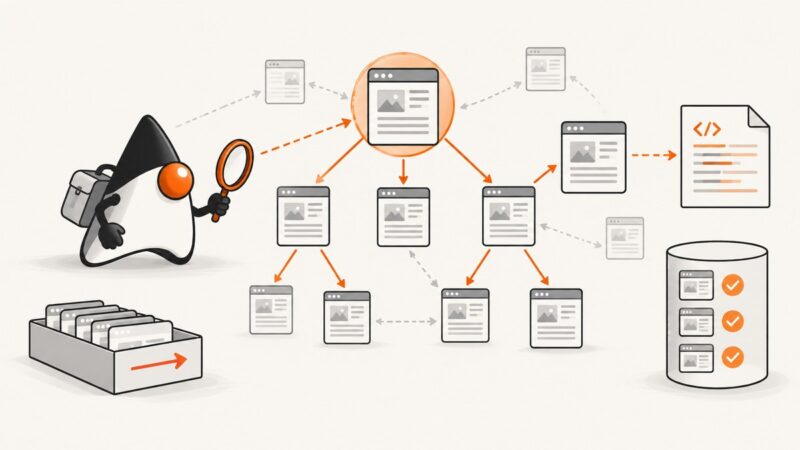
Build a bounded breadth-first Java crawler with HttpClient and Jsoup, including URL normalization, robots.txt, retries, limits, and troubleshooting.
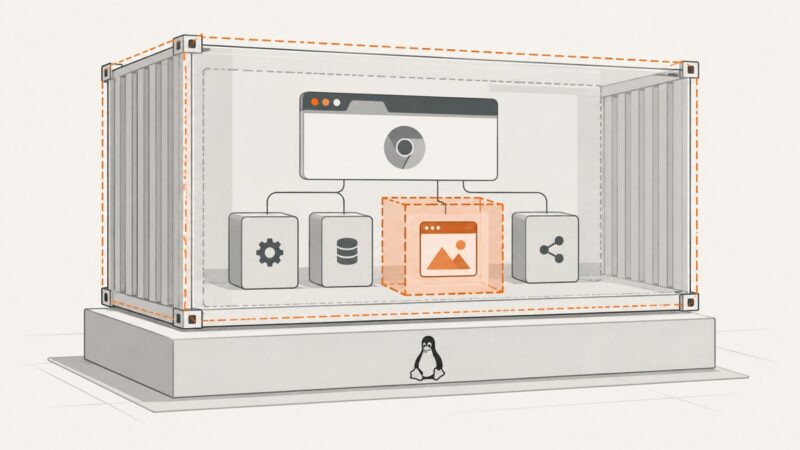
Chromium has its own sandbox. Learn why containers can break it, why --no-sandbox is risky, and how to troubleshoot production launches.
Add Playwright screenshot comparisons to CI, keep captures repeatable, review visual changes, and decide when hosted capture fits your workflow.
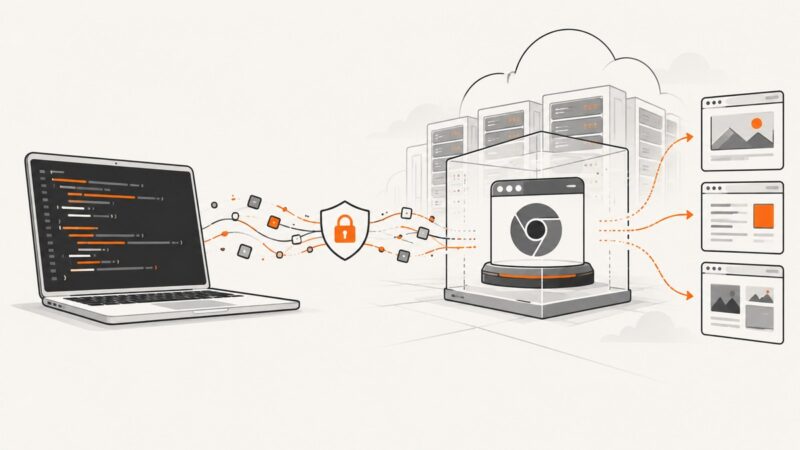
Connect Puppeteer to a managed or self-hosted remote browser over WebSocket, with production code, configuration, troubleshooting, and cost guidance.
Learn how to run independent HTTP requests concurrently in Node.js, control sockets with http.Agent, handle failures, and tune throughput safely.
Diagnose navigation blocks in Playwright and other browser automation by separating redirects, commits, timeouts, network failures, and real access denials.
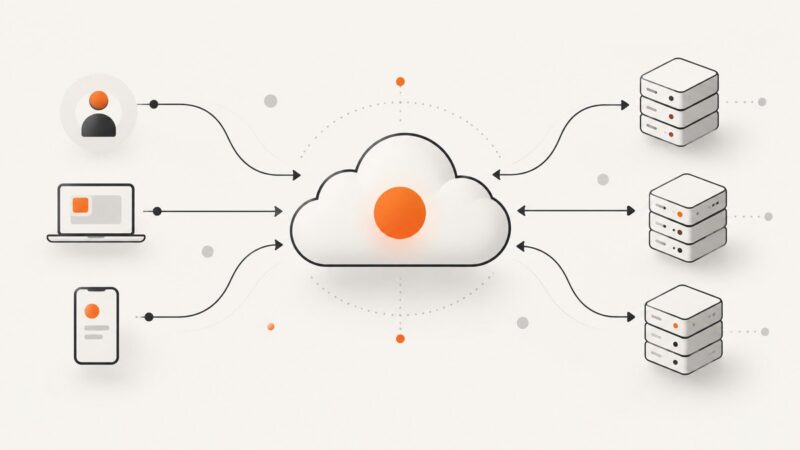
A cloud proxy sits between clients and destinations to enforce policy, inspect traffic, cache responses and protect applications. Learn how it works.
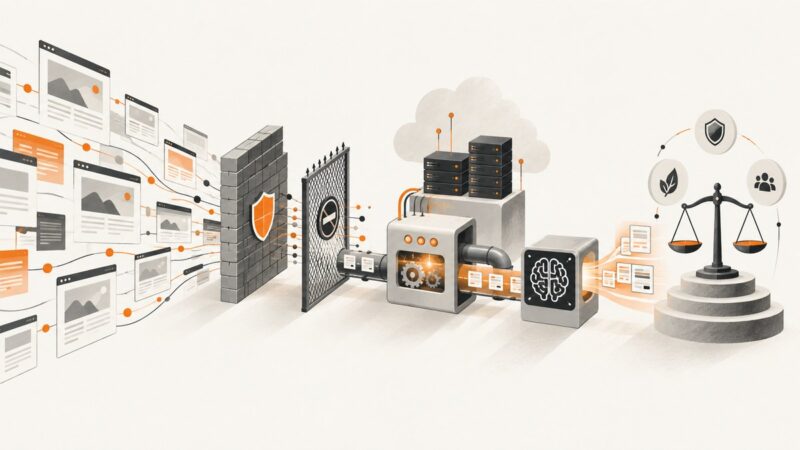
Web scraping remains useful, but rising infrastructure costs, stronger defenses, uneven AI adoption, and data governance are changing how teams operate.
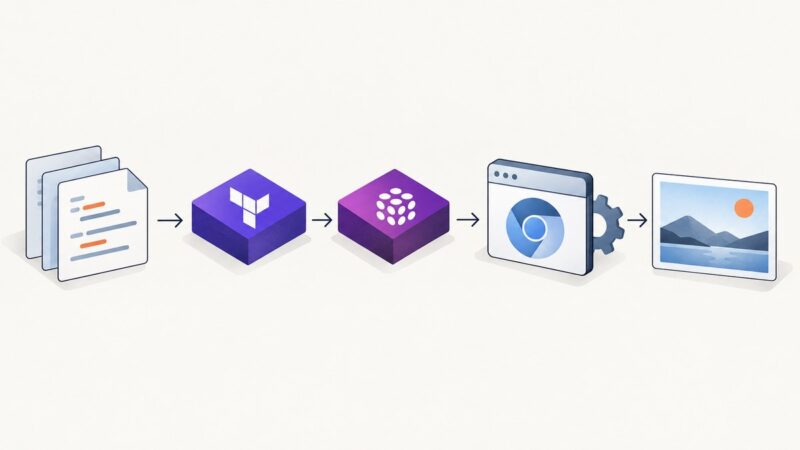
Learn how Terraform and Pulumi can manage screenshot API rendering, provider schemas, artifacts, retries, secrets, version pinning, and CI.
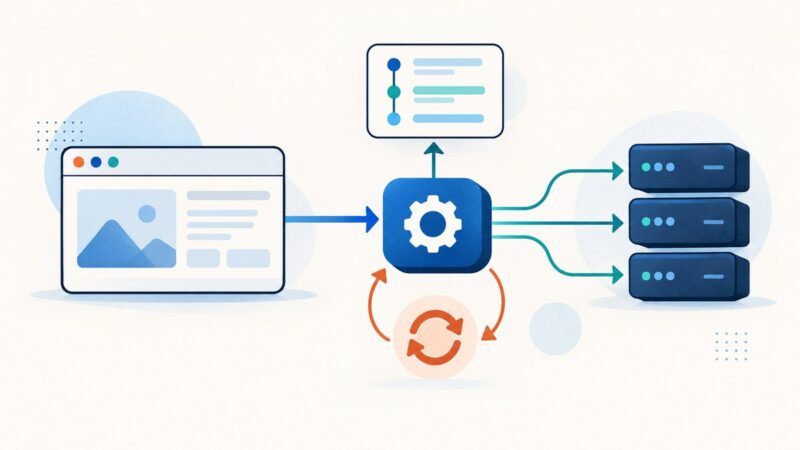
Build crash-resistant Playwright automation with Temporal Workflows, Activities, retries, versioning, and practical recovery patterns.
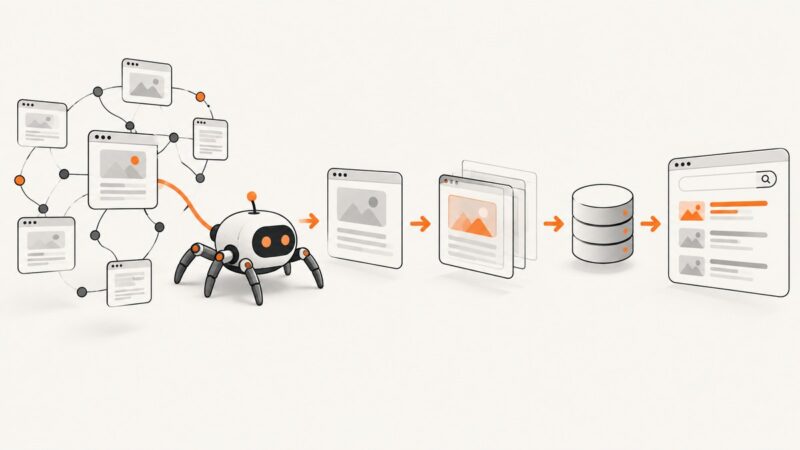
Learn how crawlers discover, fetch, render and index pages, why crawling fails, and how to diagnose robots.txt, JavaScript and server issues.
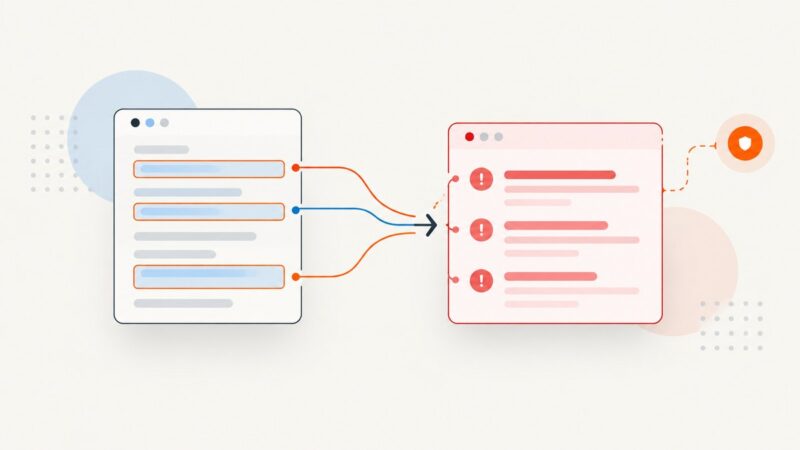
Design screenshot API errors that identify invalid inputs, explain how to fix them, and give clients a stable format they can handle.
Learn why Google blocks automated search scraping, the compliant API path, quota planning, reliability patterns, and safer alternatives.