How to Automate Website Screenshot Capture at Scale
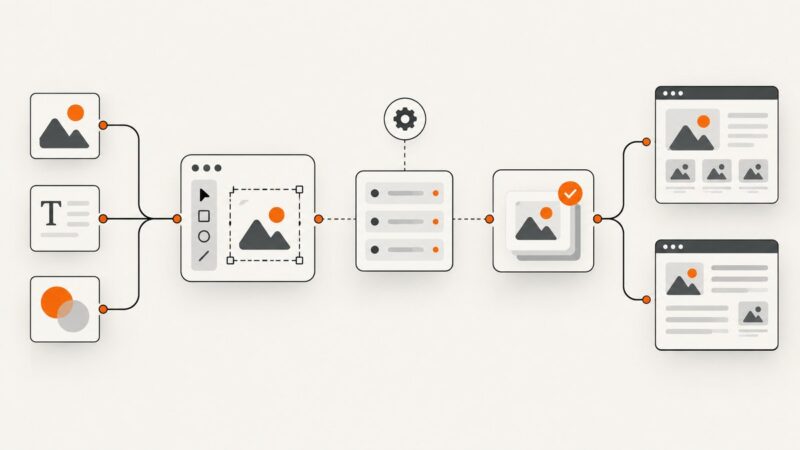
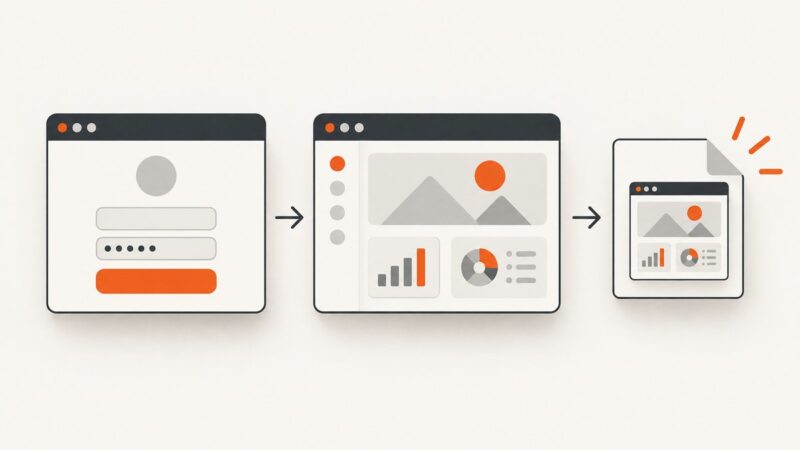
Build a repeatable screenshot pipeline with Playwright, shot-scraper, or a hosted API. Learn how to standardize captures, handle failures, and scale batch jobs.
Blog
How to take clean screenshots, turn HTML into images and PDFs, run headless browsers, and give AI agents eyes. Written by the team that builds ScreenshotNeo.
Build a repeatable screenshot pipeline with Playwright, shot-scraper, or a hosted API. Learn how to standardize captures, handle failures, and scale batch jobs.
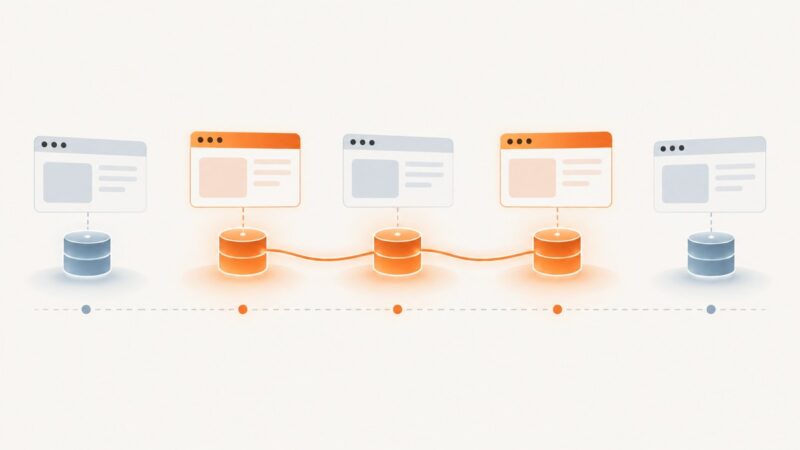
Learn how SaaS teams define, capture, preserve, verify, and govern website records, including dynamic pages, exports, retention, and recovery.
Choose the right Playwright strategy for isolated tests, reusable logins, or a browser profile that survives restarts—and keep that state secure.
Decide whether to run Playwright or Selenium yourself by weighing privacy, network access, concurrency, coverage, operations, and total cost.
Choose reliable, licensed data APIs by use case, geography, freshness, schema, limits and cost—with runnable examples for weather and SEC filings.
Submit forms, preserve cookie sessions, and configure HTTP Basic authentication safely in Scrapy, with runnable examples and fixes for common login failures.
Learn which browser automation tests to use, how to write focused end-to-end and snapshot checks, and how to make visual comparisons dependable.
Build a privacy-aware roster inspector with Playwright or Selenium: authenticate, wait for rows, extract minimal fields, validate results, and audit every run.
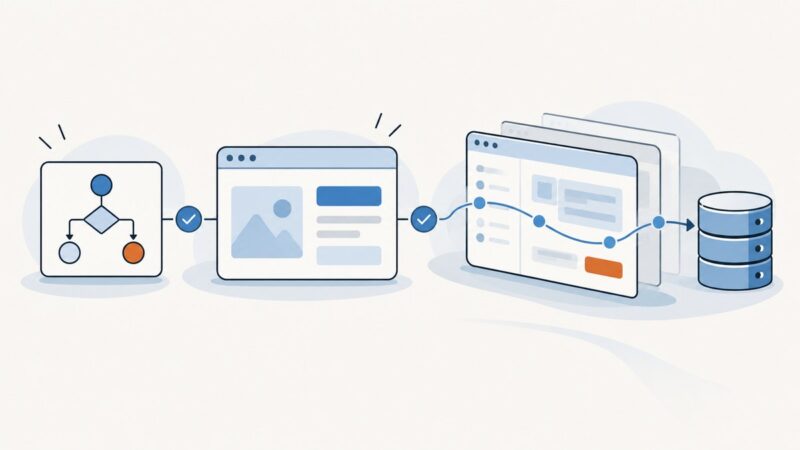
Build reliable, event-driven workflows that turn form, CRM, CMS, and design data into reviewed, published assets.
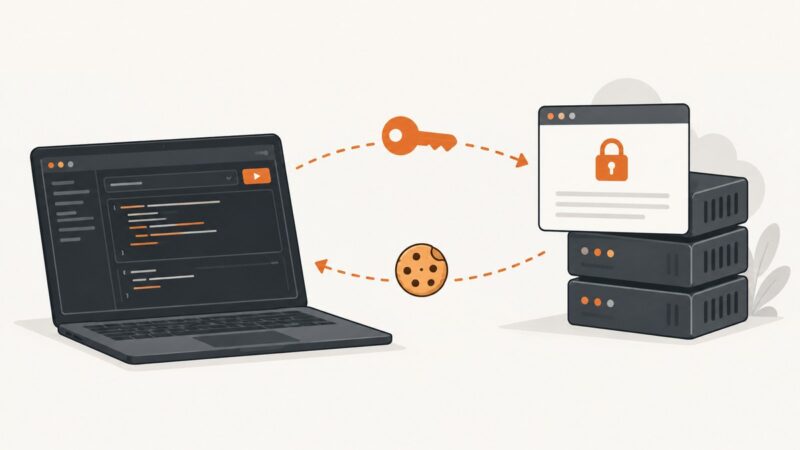
Learn when to use Playwright storage state or persistent profiles, how to secure them, and how to reuse authenticated sessions reliably.
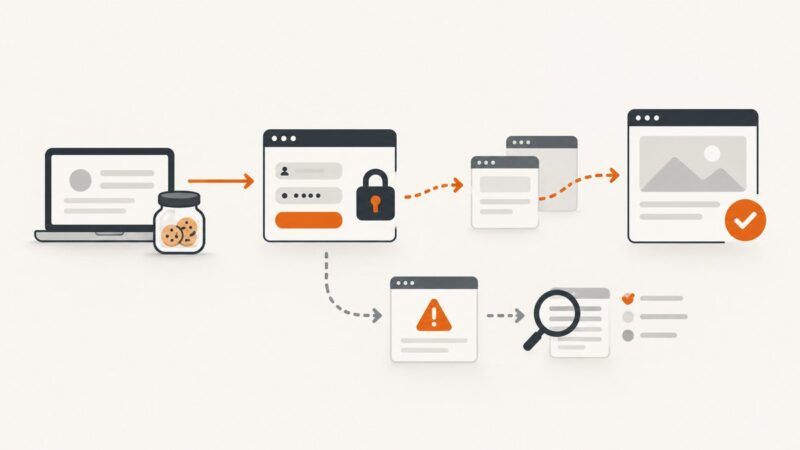
Use one Guzzle client and cookie jar to log in and fetch an authorized page. Learn how to handle redirects, validate the response, and diagnose login failures.
Compare Crawlbase and Apify on rendering, anti-bot handling, Actors, scaling, pricing and operational fit, with a practical decision guide.
Learn the reliable wait-before-action pattern for Playwright and Puppeteer events, promises, popups, requests, downloads, navigation, and failures.
Learn how to capture website screenshots as supporting financial audit evidence, preserve context and integrity, and connect each image to authoritative transaction logs.
Sign in with Capybara or Selenium, verify the protected page loaded, then capture it safely in Ruby.
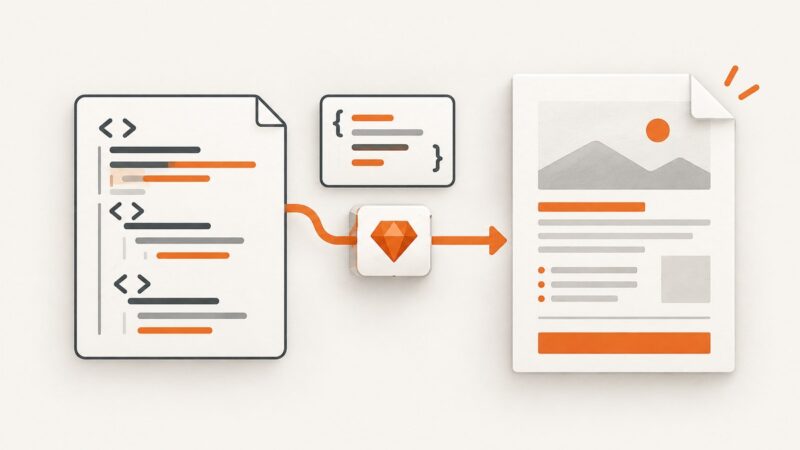
Embed CSS directly in your Ruby HTML or inject it with Grover to generate styled PDFs without creating a stylesheet file.
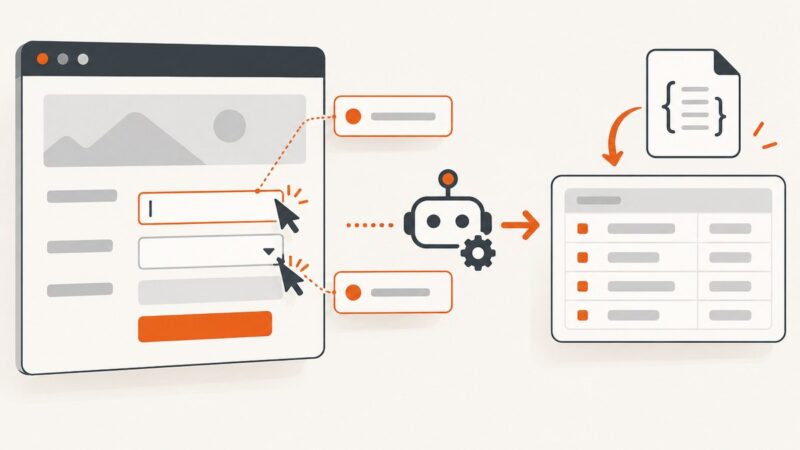
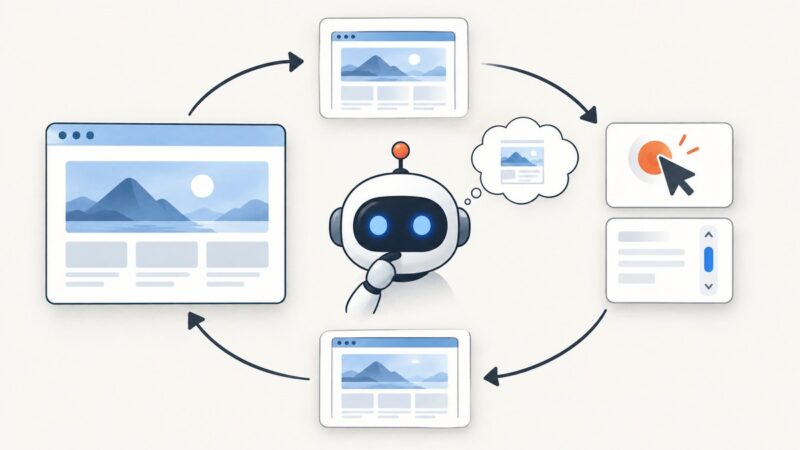
Build a safe screenshot-observation loop for browser agents, combine visual context with DOM references, and automate captures with Playwright or ScreenshotNeo.
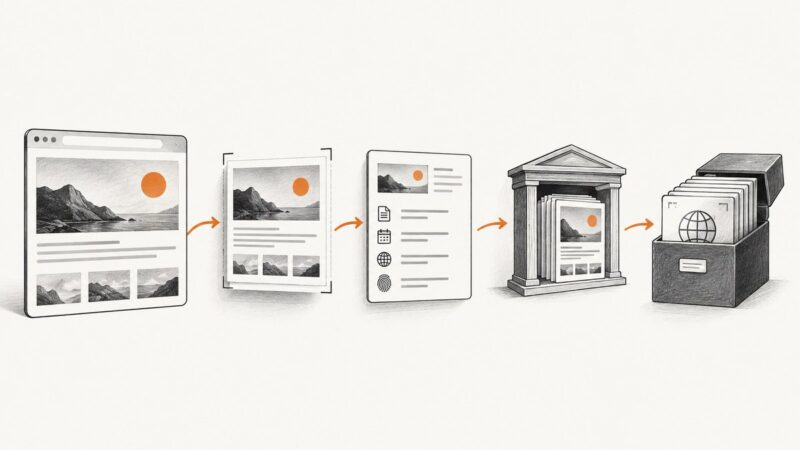
Learn how to preserve website screenshots with reliable metadata, Wayback captures, WARC files, redundant storage, and reproducible automation.