How to Build Production-Ready Web Scrapers in 30 Minutes
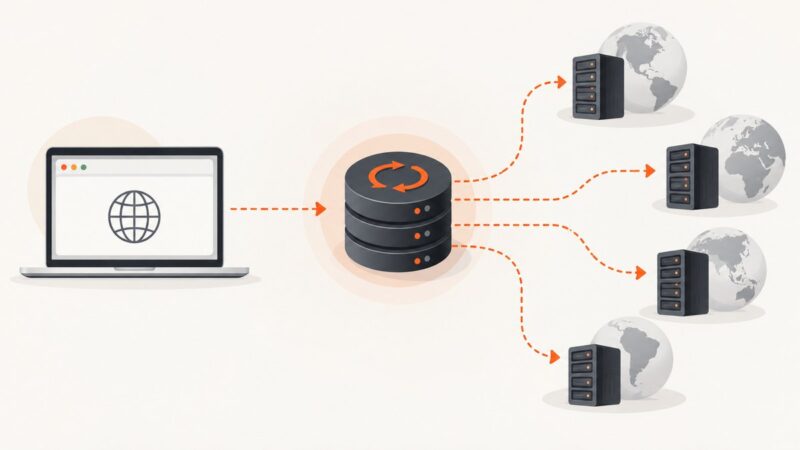
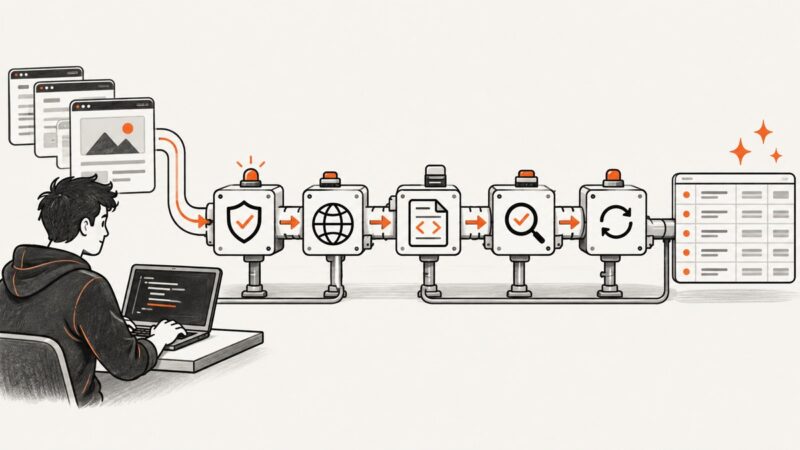
Build a dependable scraper in 30 minutes with permission checks, timeouts, retries, validation, observability, and a clear path to browser rendering.
Blog
How to take clean screenshots, turn HTML into images and PDFs, run headless browsers, and give AI agents eyes. Written by the team that builds ScreenshotNeo.
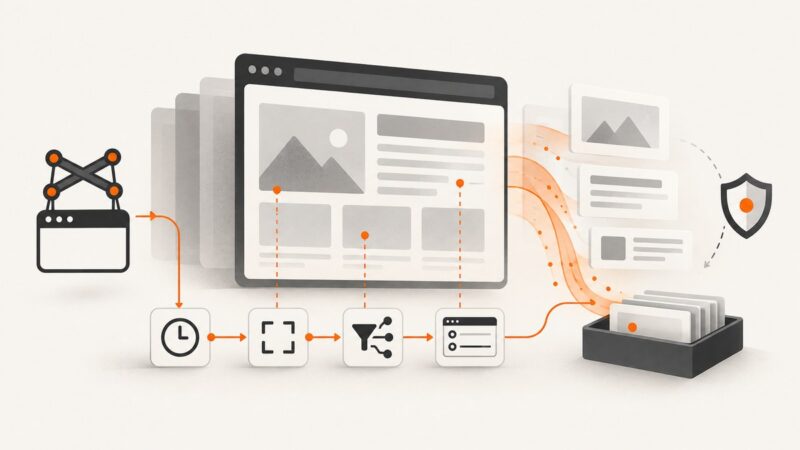
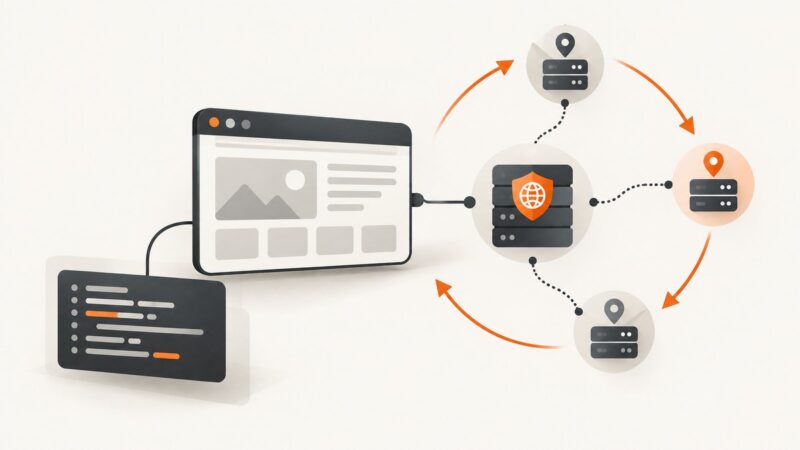
Build a dependable scraper in 30 minutes with permission checks, timeouts, retries, validation, observability, and a clear path to browser rendering.
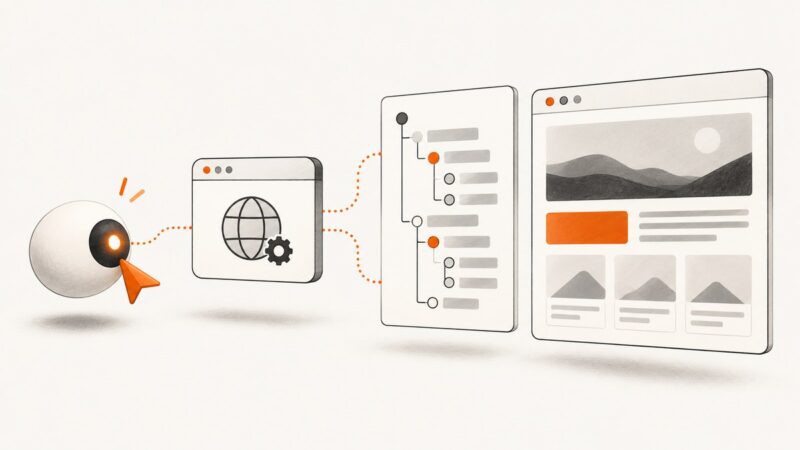
An AI agent pursues a goal by observing its environment, reasoning, using tools, and acting. Learn how agents work, their types, applications, and risks.
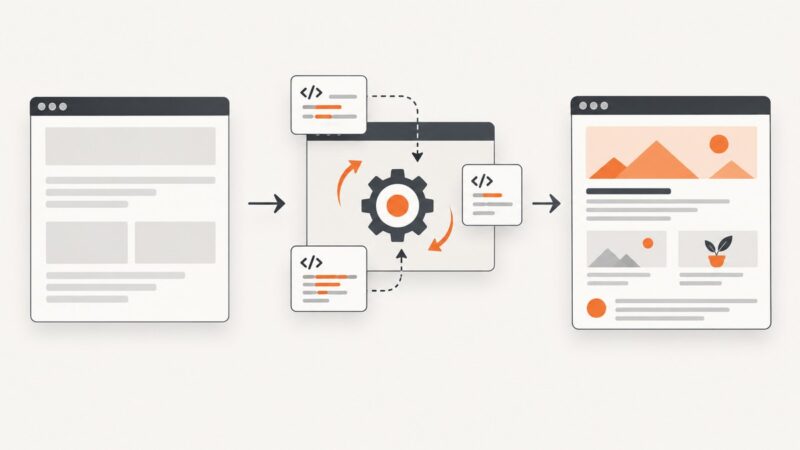
Scrape JavaScript-rendered pages with Puppeteer using reliable waits, selectors, request handling, and practical guidance on reliability and compliance.
Build a governed agency pipeline for briefs, images, PDFs, and video with batch processing, validation, review, and delivery.
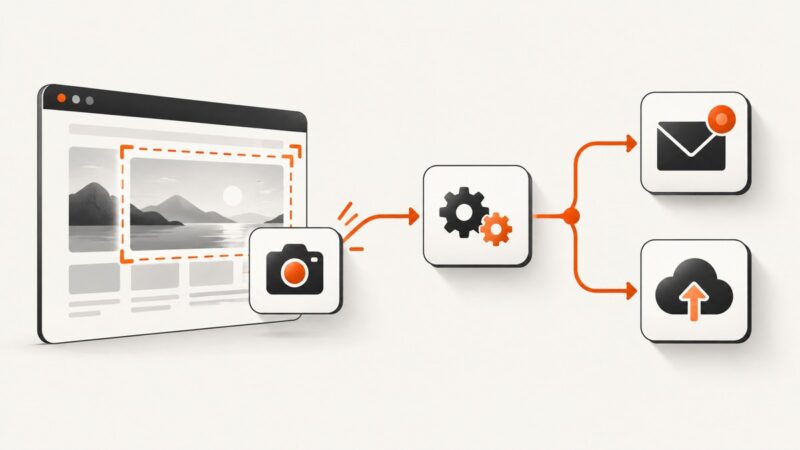
Build a Zap that captures any webpage, waits for dynamic content, and sends the image to email or storage—with troubleshooting and API options.
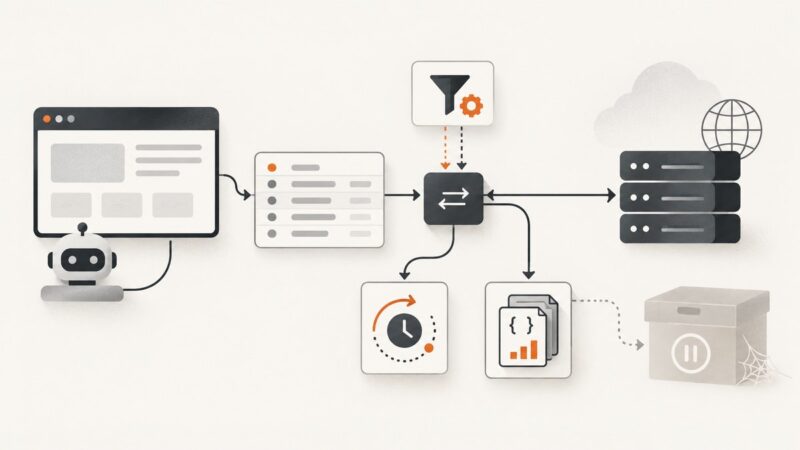
Learn Selenium Wire’s request capture, interceptors, waits, HAR and proxy workflow—and understand its archived, unmaintained status before adopting it.
Route Puppeteer through a proxy, choose where rotation happens, handle HTTP authentication, and troubleshoot common setup problems.
Capture viewport, full-page, or element screenshots in Node.js with Playwright or Puppeteer, then compare the tradeoffs with a hosted API.
Connect a Git repository to Apify, configure branches and private access, automate builds, and deploy a reliable web scraping Actor.
Compare advanced Visualping alternatives by detection method, dynamic pages, check frequency, alerts, hosting, scale, and cost so you can choose confidently.
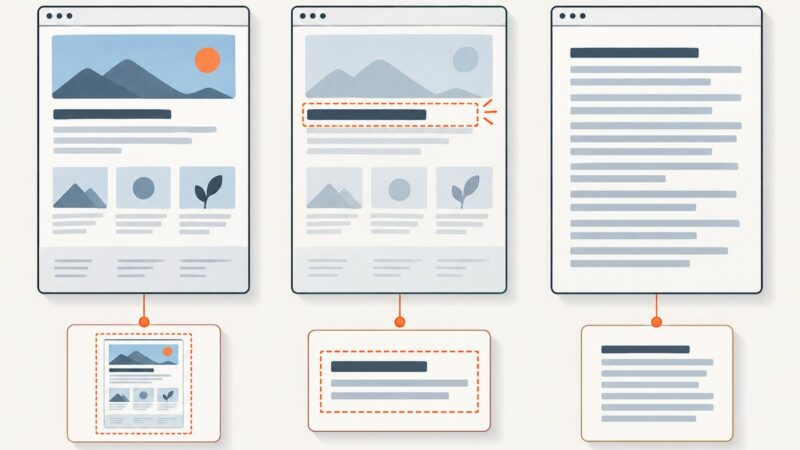
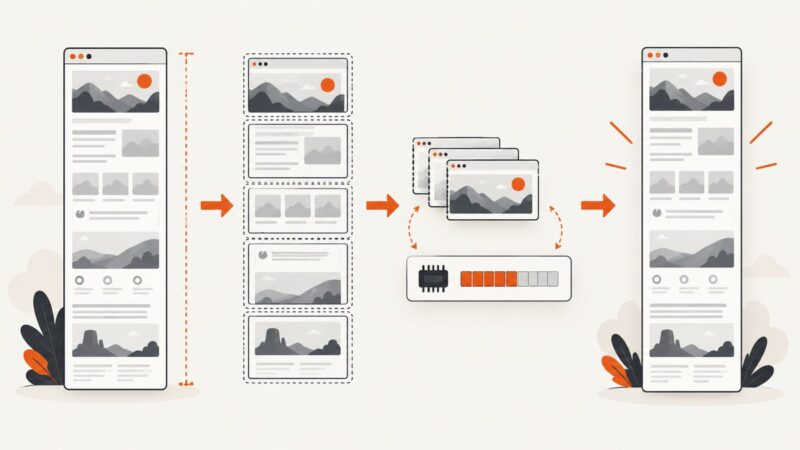
Capture oversized pages safely in Puppeteer with full-page, clipped, element, memory, stitching, and troubleshooting guidance.
Learn where websites expose email addresses and how to collect them responsibly, with a runnable Python example and practical privacy safeguards.
Learn how to retrieve a page’s post-JavaScript DOM with Playwright, Puppeteer, or a managed API, and handle waits, frames, errors, and cost.
Configure a proxy for Selenium’s browser session, understand where IP rotation happens, and switch endpoints safely between runs with Python examples.
Improve Puppeteer performance by measuring the real bottleneck, choosing the right headless mode, and tuning capture work without sacrificing correctness.
Learn how to connect Playwright MCP, inspect accessibility snapshots, capture screenshots, and extract page data responsibly.
Make website screenshots faster and more consistent by profiling the real bottleneck, choosing the right capture size, and stabilizing only what your test needs.
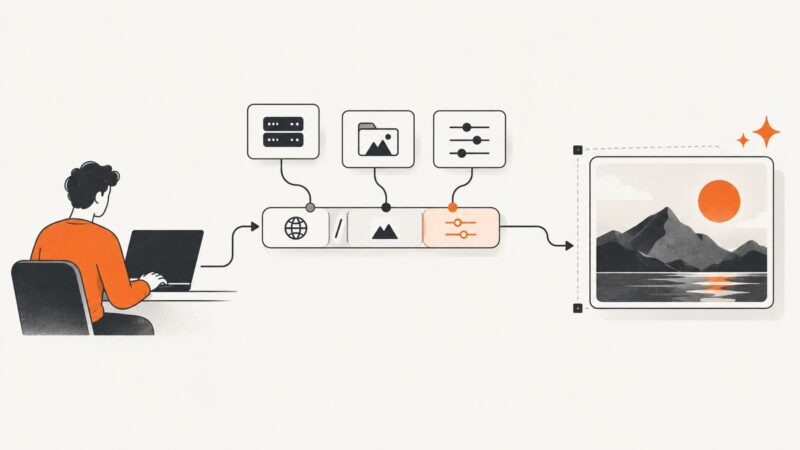
Learn how URL parameters resize, transform, retrieve, and format images, with working examples, security guidance, and the limits of URL-based generation.