Browser Automation API Use Cases and Patterns
Choose Selenium, Playwright, or Puppeteer for testing, screenshots, and browser workflows, then make automation more reliable in CI.
Blog
How to take clean screenshots, turn HTML into images and PDFs, run headless browsers, and give AI agents eyes. Written by the team that builds ScreenshotNeo.
Choose Selenium, Playwright, or Puppeteer for testing, screenshots, and browser workflows, then make automation more reliable in CI.
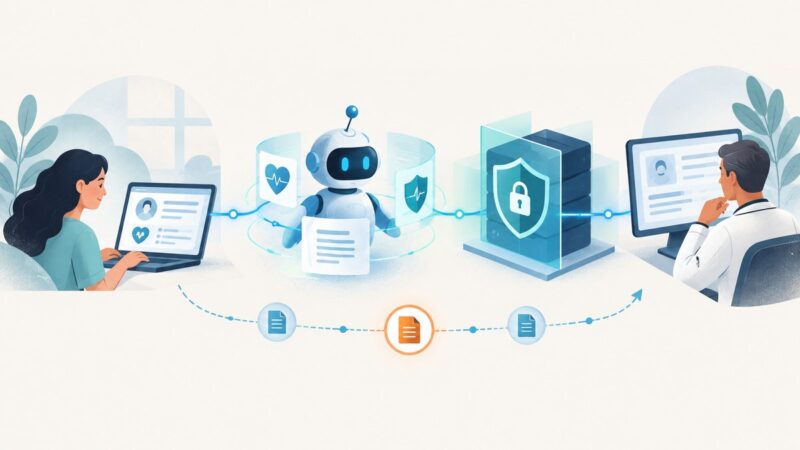
A practical guide to PHI, prompt injection, authorization, auditability, resilience, and human control for healthcare browser agents.
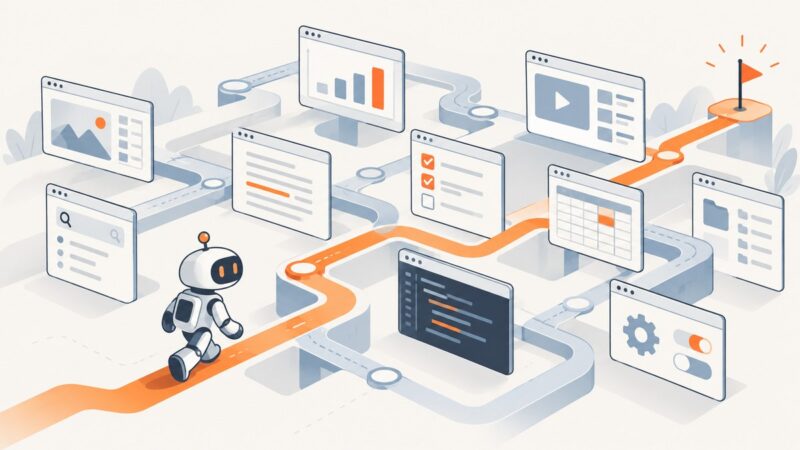
Understand Levels 1–4 of browser-agent autonomy, choose the right control model, and design safer, observable workflows that scale.
Compare AI scraping APIs by rendering, extraction, crawl scope, and workflow. Learn what “one call” means and how to choose a practical setup.
A practical guide to training browser agents from demonstrations and evaluating task success, generalization, recovery, cost, and safety.
Design reproducible browser-agent RL tasks with clear goals, observations, actions, validators, rewards, curricula, and reliable evaluation.
Compare browser-agent environments by task realism, observations, actions, evaluation, and scale. Choose a practical stack for training and benchmarking.
Pause an agent safely for human approval, persist its state, and resume the original run after a restart. Includes Python and JavaScript patterns, streaming, and recovery guidance.
Learn how to turn natural-language tasks into validated JSON with schemas, grounded extraction, failure handling, and production checks.
Compare Buffer alternatives for AI-assisted scheduling, auto-publishing, analytics, and team workflows. Find the right fit by platform, budget, and scale.
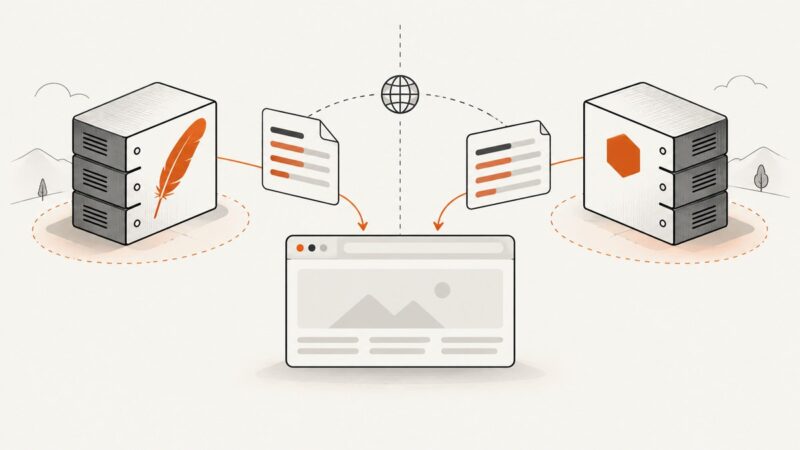
Configure CORS in Apache with mod_headers or in Nginx with add_header. Handle preflight, credentials, multiple origins, caching, and common errors safely.
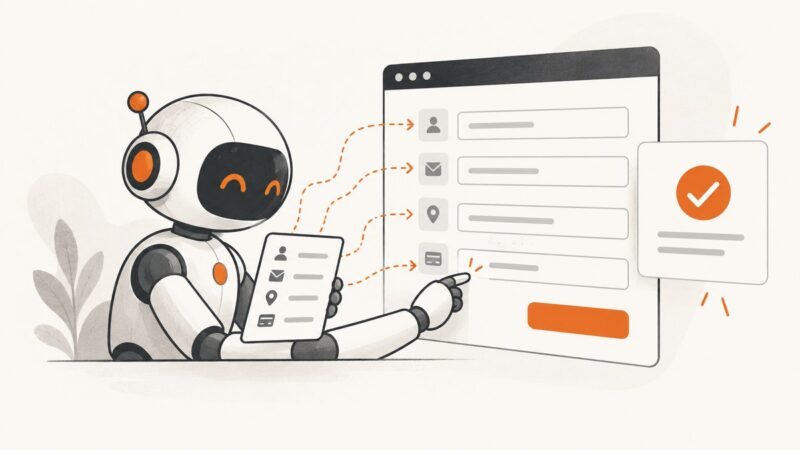
Build a browser agent that observes forms, fills fields safely, verifies results, and pauses before consequential submissions.
Build agents that retrieve current web evidence, preserve citations, validate claims, and control latency and retrieval cost.
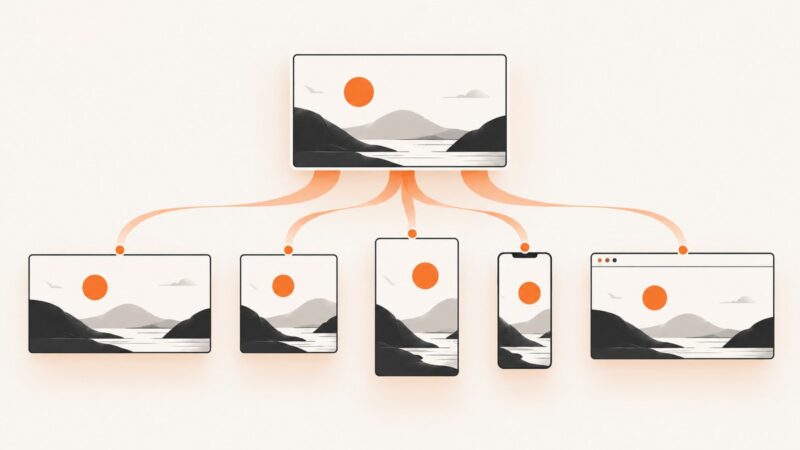
Learn how to build one flexible source design and reliably render it for social, video, websites, print, and responsive interfaces.
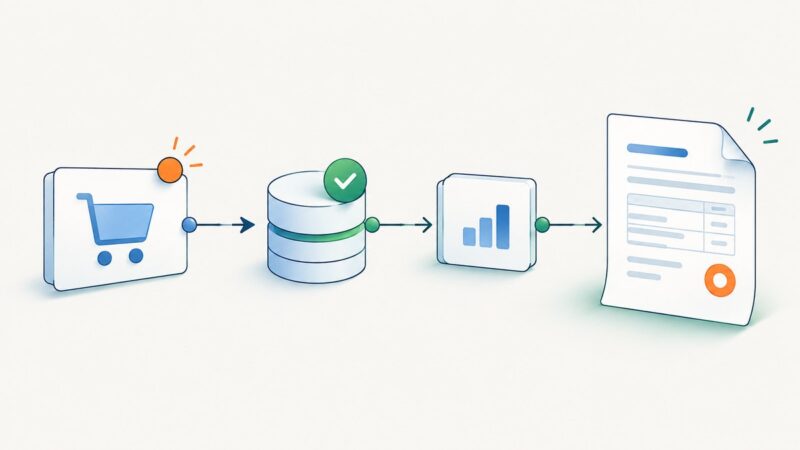
Read Figma file data, export selected layers, and build a reliable automation pipeline with the REST API, including authentication and rate-limit handling.
Learn how to convert HTML or URLs to reliable PDFs with APIs, Puppeteer, WeasyPrint, validation, security, retries, and production patterns.
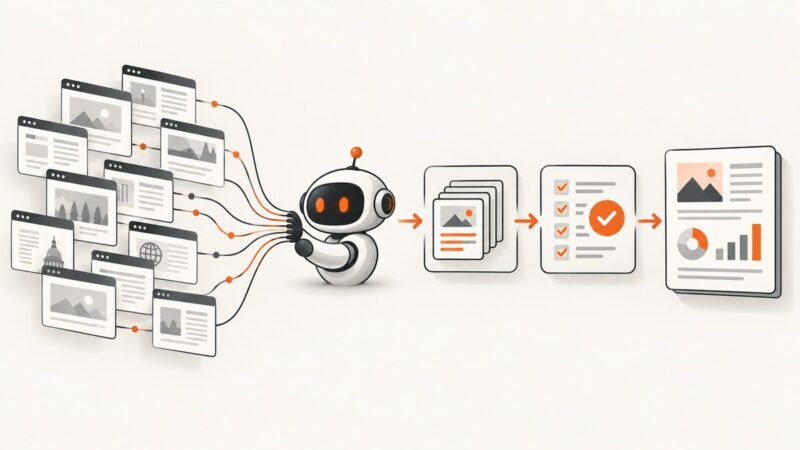
Learn which scraping method fits an AI agent, how to build safe workflows, and when APIs, HTTP, Playwright, or computer use are the right choice.
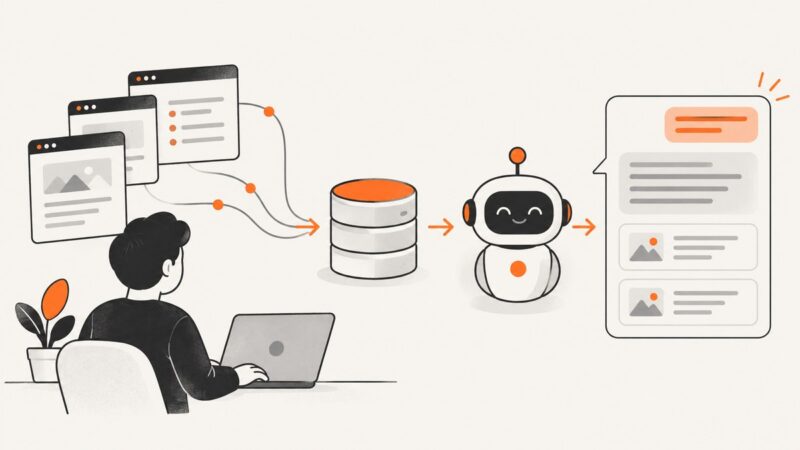
Build a citation-backed documentation chatbot with ingestion, retrieval, evaluation, security, and a production deployment plan.