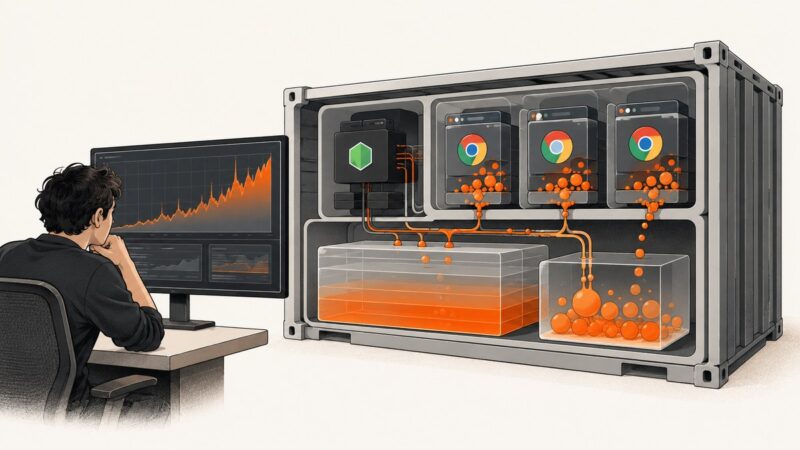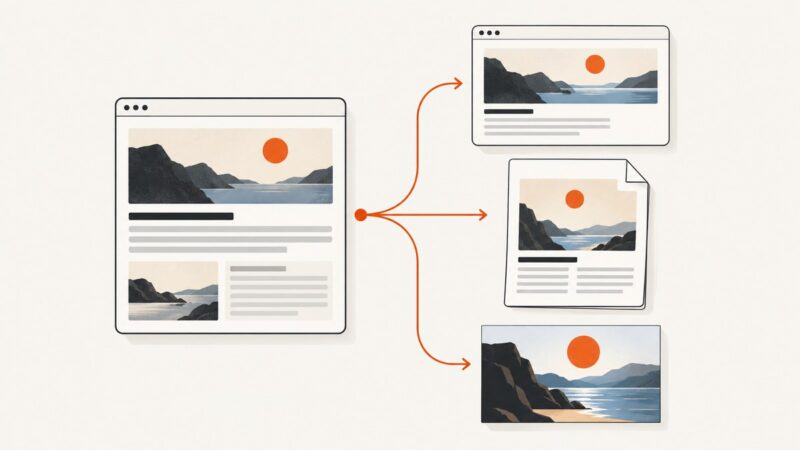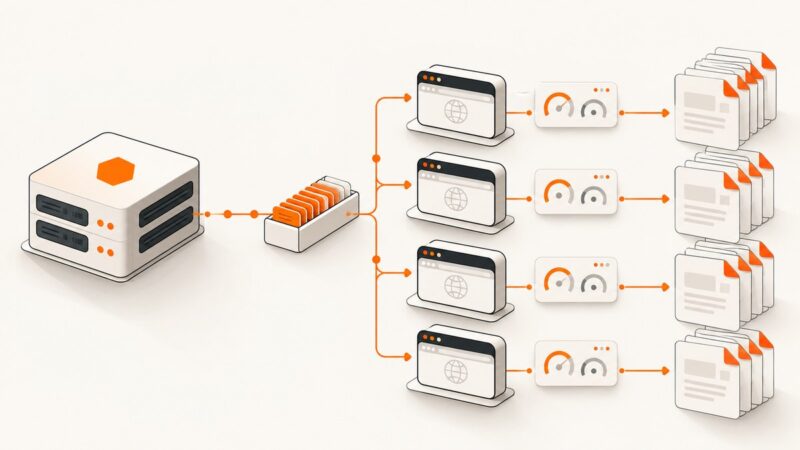
How to Scale Intensive PDF Generation with Puppeteer in Node.js
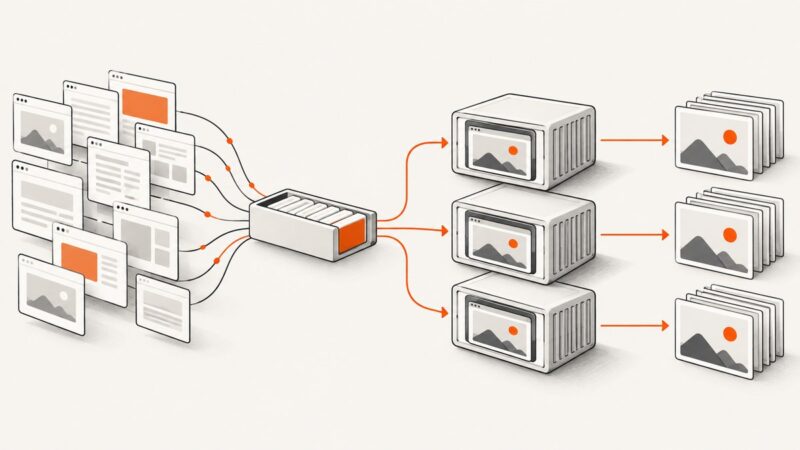
Scale Puppeteer PDF generation with bounded concurrency, isolated browser contexts, explicit PDF options, metrics, queues, and reliable Node.js operations.
Puppeteer, Playwright, Selenium and headless Chrome, and what they take to run well.
Scale Puppeteer PDF generation with bounded concurrency, isolated browser contexts, explicit PDF options, metrics, queues, and reliable Node.js operations.
Puppeteer returns undefined when an evaluate callback does not return data, reads unavailable variables, or runs before AtCoder content is ready.
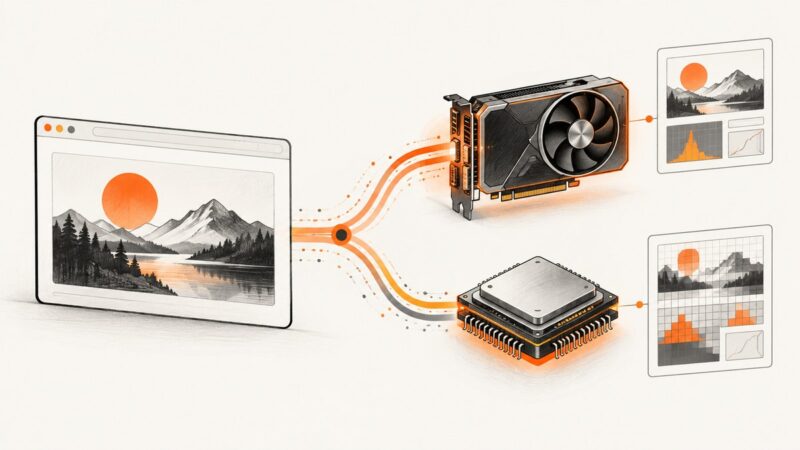
Use `--enable-gpu` to let headless Chrome select its normal graphics driver, then verify the renderer and features in `chrome://gpu`. Hardware acceleration still depends on GPU, driver, display, and backend support.
Diagnose Puppeteer RAM growth on a 24/7 DigitalOcean Droplet, close owned resources correctly, monitor pressure, and decide when to resize.
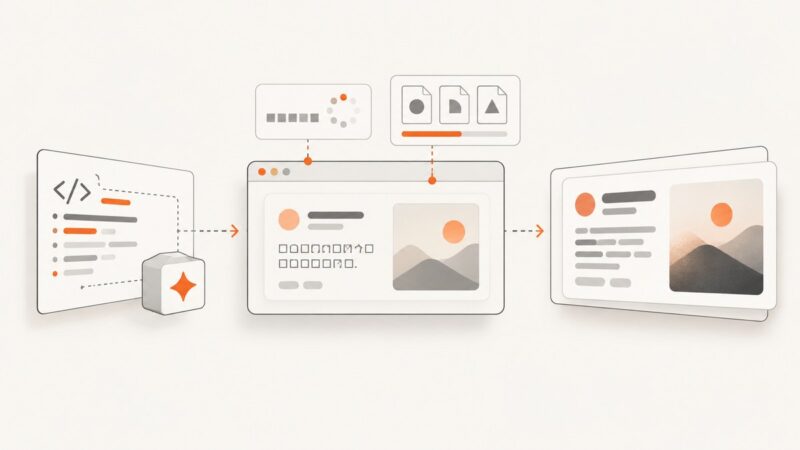
Fix missing text, fallback fonts, and empty glyphs in Stencil Puppeteer screenshots with hydration checks, font diagnostics, container fixes, and reliable capture code.
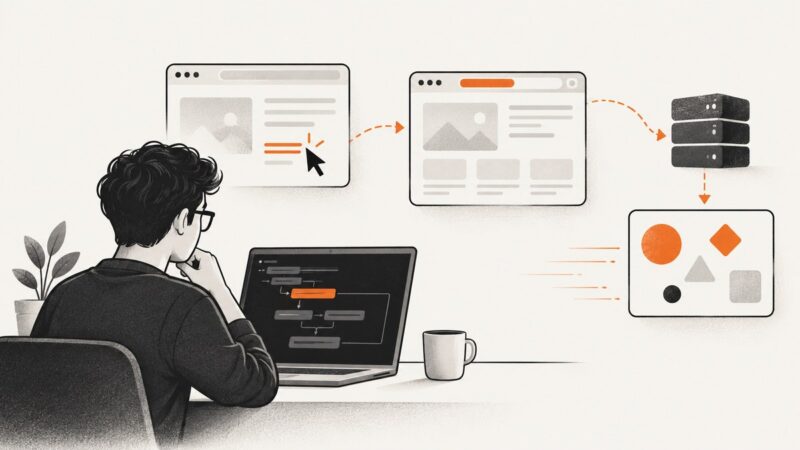
Fix Puppeteer POST bugs caused by stalled interception, wrong request objects, redirects, encoding, and navigation races with runnable examples.
Diagnose Puppeteer failures on Google App Engine by comparing environments, runtimes, Chrome installs, libraries, sandboxing, and writable paths.
Puppeteer works locally because your machine supplies Chrome and Linux dependencies. Fix Heroku browser, cache, sandbox, readiness, and memory issues with this guide.
Older Chrome Headless used a separate browser implementation. Learn what changed, how to compare modes, and how to diagnose page differences.
Learn how to build a reliable Puppeteer Cluster screenshot pipeline: concurrency modes, retries, timeouts, capacity testing, storage, and monitoring.
Yes, headless Chromium supports Display P3 and Rec.2020 CSS colors. Whether screenshots preserve those colors depends on the browser profile and capture pipeline.
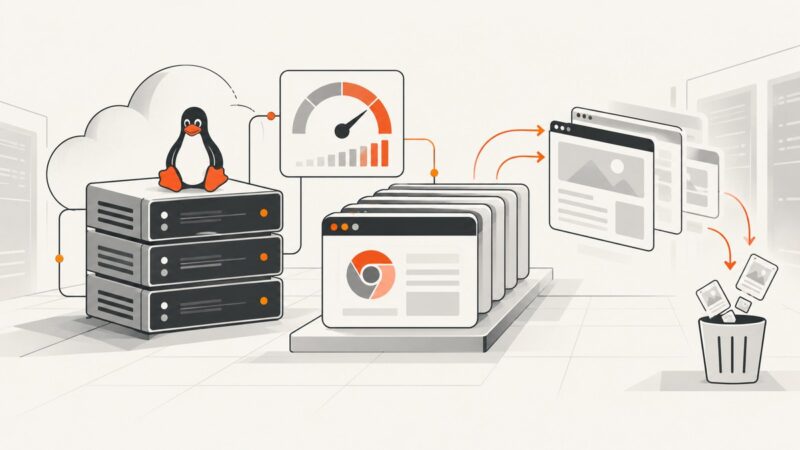
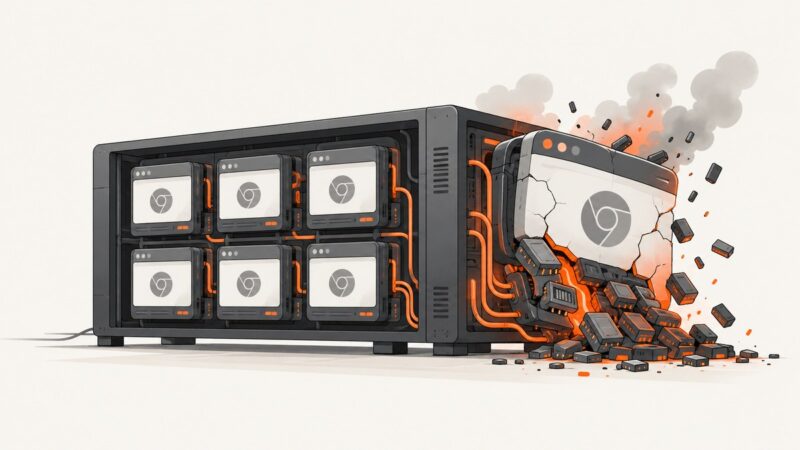
Diagnose whether Node, Chrome, Docker memory, or /dev/shm is causing Puppeteer crashes, then bound concurrency and clean up browser resources.
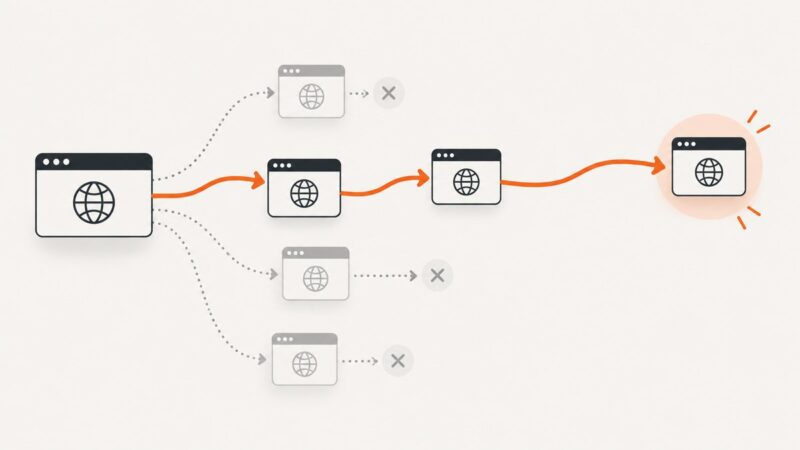
Inspect Puppeteer redirect chains, filter by hostname or registrable domain, and handle interception safely with runnable JavaScript examples.
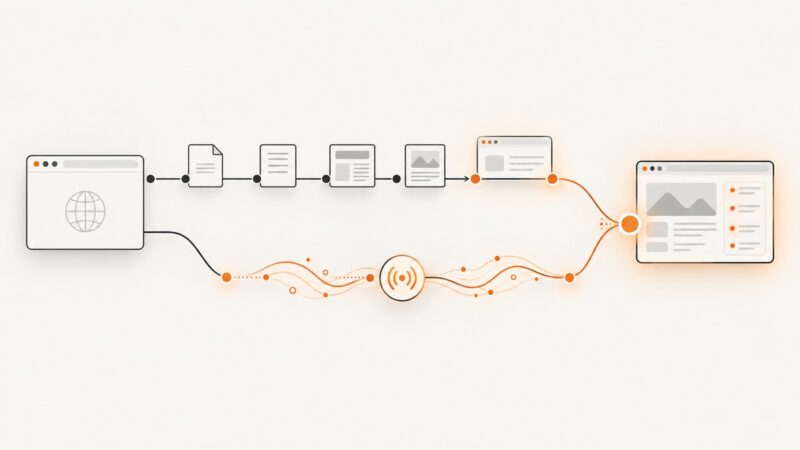
Puppeteer’s waitUntil waits for navigation lifecycle events, not WebSocket readiness. Learn the reliable page-state patterns that work.
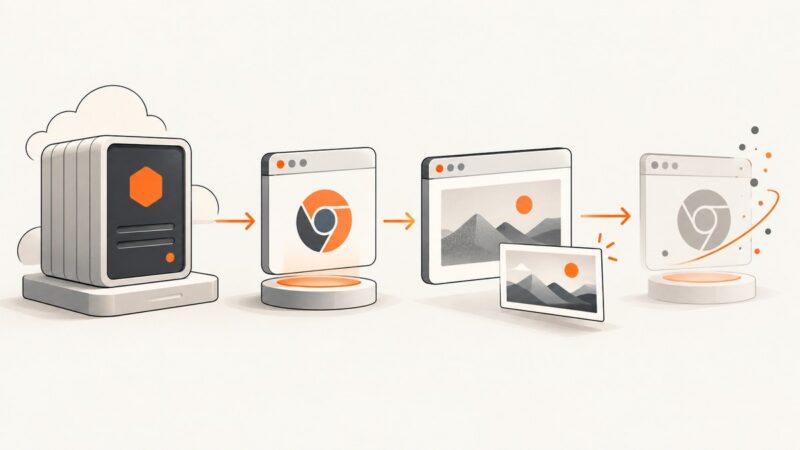
Stop Puppeteer Chromium processes from lingering on Heroku with guaranteed cleanup, graceful shutdown, bounded jobs, and practical diagnostics.
Learn why Puppeteer screenshots, PDFs, and Python rasters differ, then align media, layout, fonts, color, DPI, and resampling.
Diagnose Puppeteer OOM crashes, size Docker memory, control concurrency, fix /dev/shm failures, and clean up Chromium processes reliably.
Diagnose apparent Puppeteer reloads, viewport resets, and lost lazy content with a minimal reproduction and safer screenshot settings.