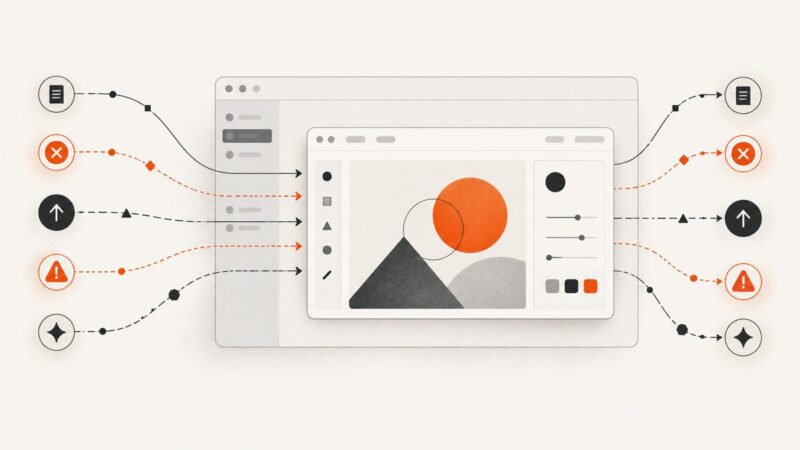
Events Emitted by Embedded Design Editors
A complete guide to Adobe Embedded Design Editor callbacks, payloads, host actions, publish handling, errors, and integration patterns.
Puppeteer, Playwright, Selenium and headless Chrome, and what they take to run well.
A complete guide to Adobe Embedded Design Editor callbacks, payloads, host actions, publish handling, errors, and integration patterns.
Python Requests is not deprecated. Learn what the current releases support, why get_connection warnings appear, and how to decide whether to migrate.
PhantomJS memory can rise after repeated screenshots because of page lifetimes, overlapping async work, or rendering load. Learn how to diagnose and fix it.
Understand TLS supported_groups, key_share, elliptic curves, finite-field groups, negotiation flow, configuration, errors, and interoperability.
secp256k1 is registered for TLS but not recommended. Learn how it differs from P-256 and X25519, where it fits, and how to test negotiation.
Learn what X25519 does in TLS 1.3, how to verify support, configure groups safely, and troubleshoot negotiation failures.
Control Puppeteer RAM with bounded concurrency, deterministic cleanup, request filtering, measurement, and safe browser recycling.
Wait for the content your page actually needs, diagnose empty renders, and capture reliable screenshots from JavaScript-heavy sites with Puppeteer.
A visible TestCafe selector can still be blocked, ambiguous, out of context, or not ready. Diagnose the exact cause and fix clicks reliably.
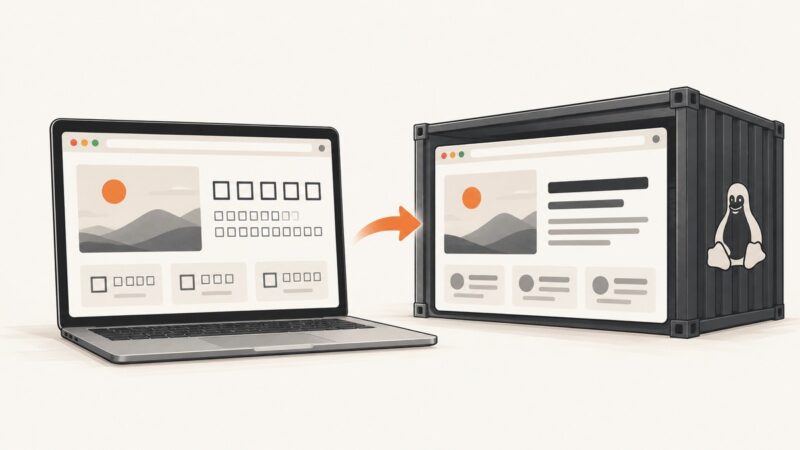
Fix missing fonts in Playwright Chromium production builds with pinned dependencies, reproducible Docker images, web-font checks, and practical debugging steps.
Measure browser performance with repeatable Puppeteer traces, page metrics, Web Vitals context, and practical troubleshooting.
A measured guide to tuning Headless Chrome flags: establish a baseline, choose the right headless mode, and avoid unsafe speed tweaks.
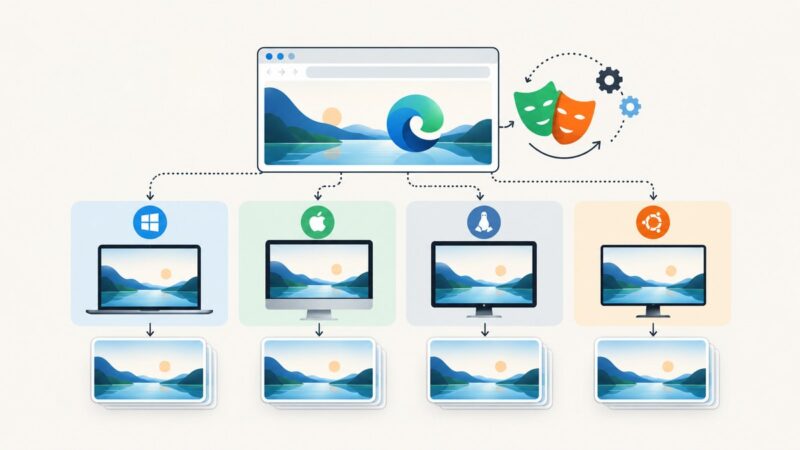
Control Edge, Playwright, fonts, viewport and page state to produce repeatable screenshots across CI platforms, with practical fixes for visual drift.
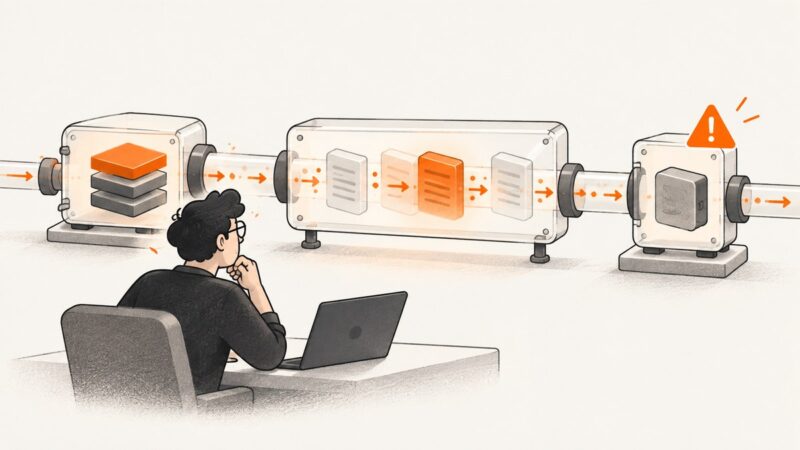
Build reliable scrape pipelines with fast webhook acknowledgements, idempotent event handling, durable queues, retries, and recovery checks.
Keep Chrome warm, isolate jobs correctly, and reuse Puppeteer pages safely with cleanup, pooling, reconnection, and production patterns.
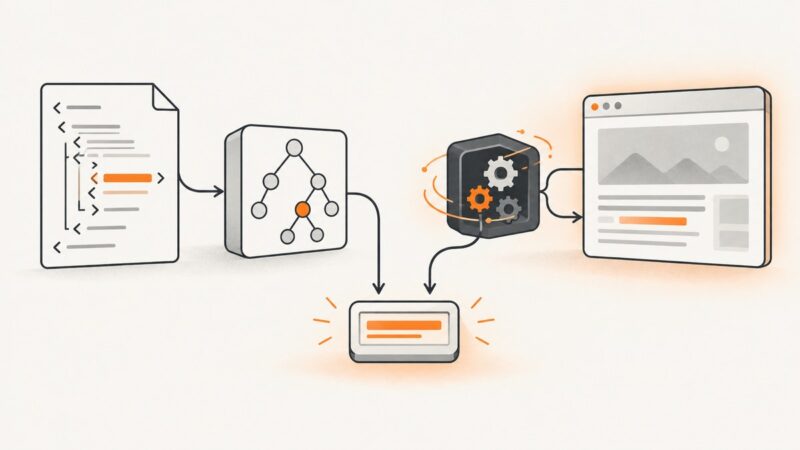
Puppeteer and Cheerio agree when the target content is already in the HTML—or when you inspect the browser before JavaScript changes it. Here’s how to find out which case you have.
Create repeatable website screenshots by controlling scope, readiness, rendering conditions, and visual variation with Playwright or an API.
Cloudflare does not use a single Selenium rule. Learn which browser signals matter and how to run a controlled, repeatable test on your own zone.