How to Prevent Puppeteer Memory Leaks and Handle Timeouts
A practical Puppeteer guide to proving memory leaks, cleaning up pages, choosing finite timeouts, and recovering safely in production.
Puppeteer, Playwright, Selenium and headless Chrome, and what they take to run well.
A practical Puppeteer guide to proving memory leaks, cleaning up pages, choosing finite timeouts, and recovering safely in production.
Configure WebGL in headless Chrome 96+ with Selenium Docker, SwiftShader or Vulkan, verification scripts, troubleshooting, and production guidance.
A payload is the useful data carried by a packet or message. Learn how payloads work in networks, HTTP APIs, JSON, and cybersecurity.
Verification proves software meets its requirements; validation proves it solves the intended user and mission problem. Learn how to plan and document both.
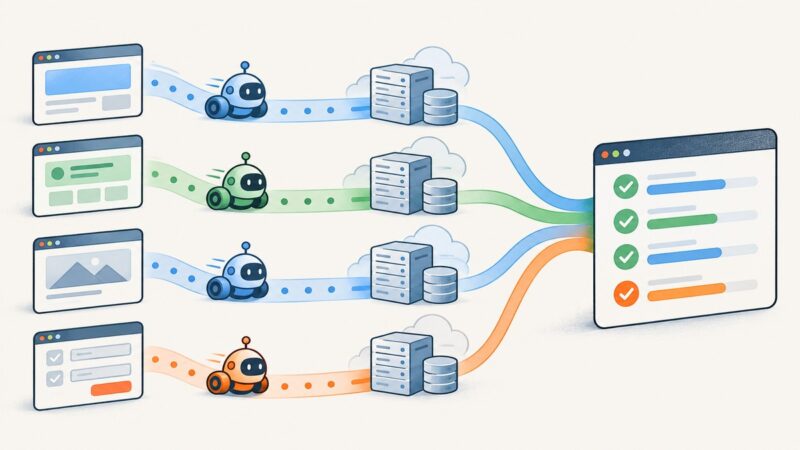
Parallel testing runs independent tests at the same time to reduce elapsed time or cover multiple environments. Learn how it works, when it helps, and how to keep it reliable.
Use IANA’s TLS Extensions registry to find codepoints, names, RFCs, contexts, and status without confusing neighboring registries.
Make Firefox screenshots repeatable by fixing the viewport, DPR, scale, capture mode, browser versions, and page readiness.
Understand Puppeteer’s fullPage and captureBeyondViewport options, when to use each, and how to avoid clipped or unexpectedly large screenshots.
Learn which scraping metrics, data checks, alerts, and collection patterns keep large web scraping jobs reliable as they grow.
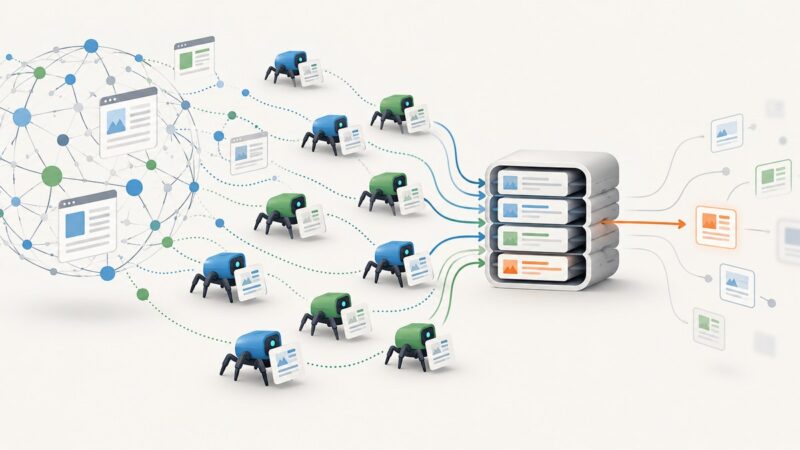
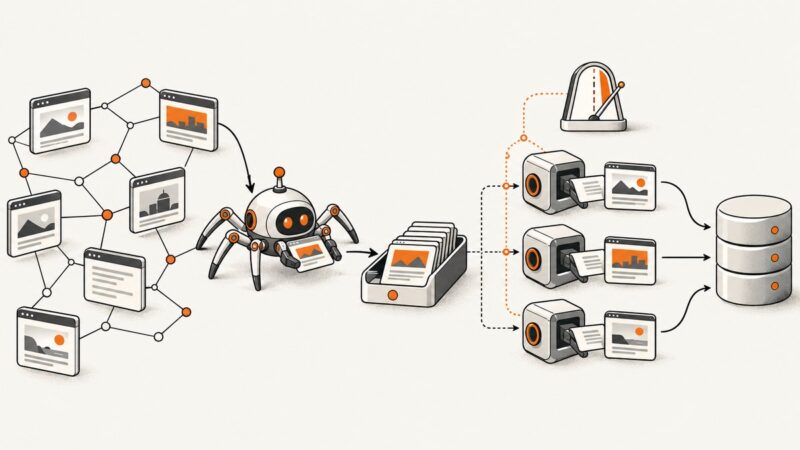
Design a crawler that can resume, scale across workers, respect per-host policies, and keep data reliable from discovery through storage.
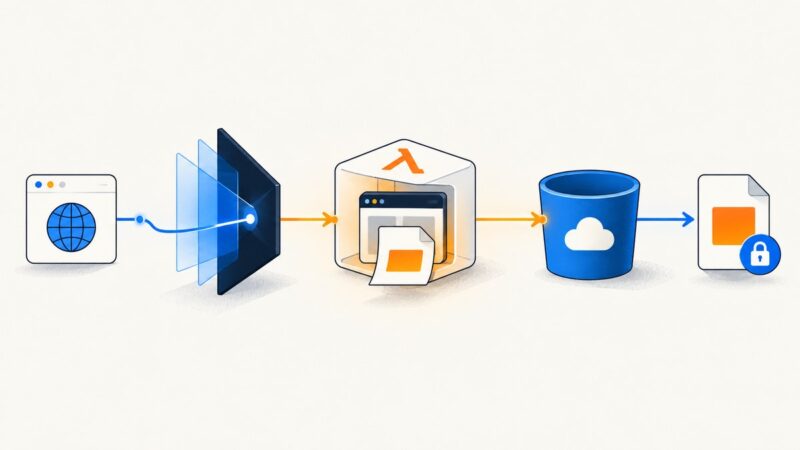
Build secure PDF reports with Vercel, Lambda, S3, Puppeteer, queues, retries, and signed downloads.
Design a polite Python crawler with a durable frontier, robots.txt compliance, bounded concurrency, deduplication, observability, and a realistic path to distributed work.
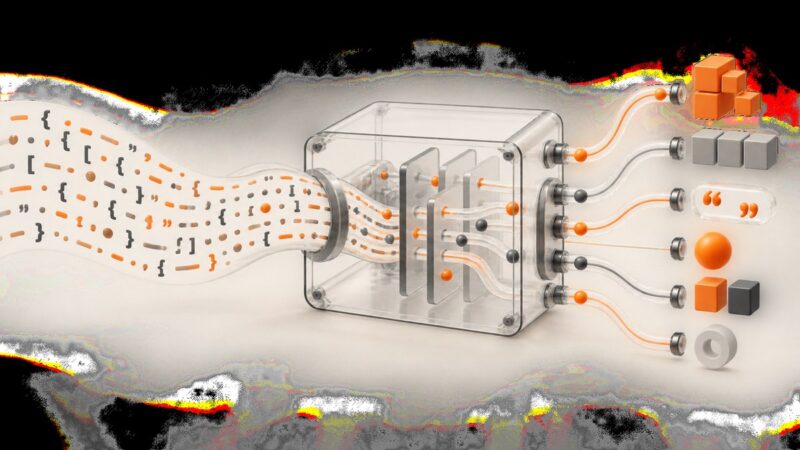
Learn how JSON parsers read grammar, validate values, handle edge cases, and turn text into usable program data in JavaScript and Python.
A template parameter is a validated placeholder in a reusable image prompt. Learn how to bind variables, render requests, and separate prompts from API settings.
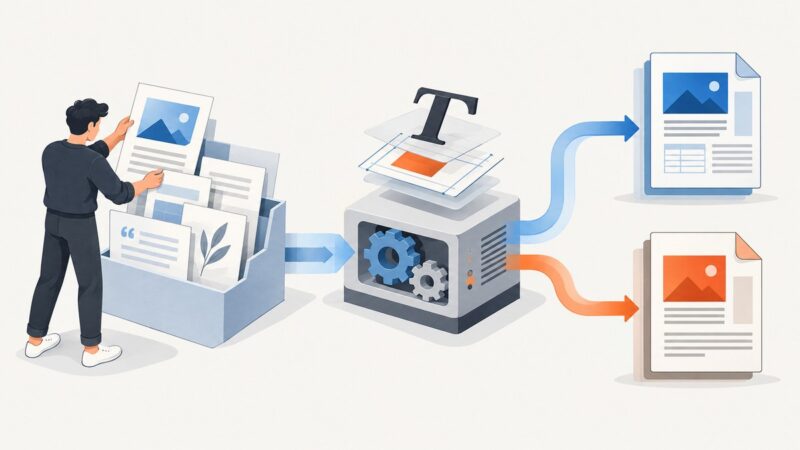
DOCX and PDF generation are hard because structure, layout, fonts, rendering, and accessibility all interact. Here’s how to choose an approach and make output more reliable.
Learn how to implement a LIFO stack in Python with lists, deque, custom classes, complexity guidance, edge-case handling, and runnable examples.
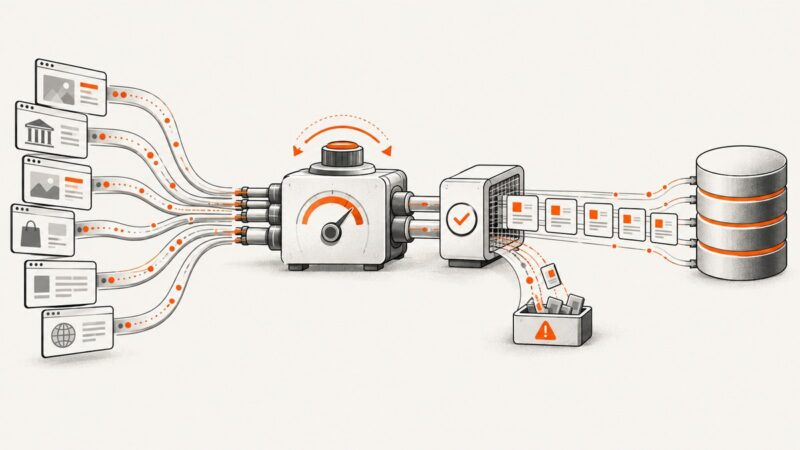
Raise valid records per attempted request with target-aware concurrency, adaptive throttling, bounded retries, validation, and production observability.
A rejected page after driver.get() is not automatically a Selenium failure. Learn how to identify the rejecting layer and fix the right problem.