17 Keytool Command Examples for Developers and System Administrators
Learn 17 practical keytool commands for creating, inspecting, importing, exporting, and maintaining Java keystores safely.
Puppeteer, Playwright, Selenium and headless Chrome, and what they take to run well.
Learn 17 practical keytool commands for creating, inspecting, importing, exporting, and maintaining Java keystores safely.
Tune MySQL from measured bottlenecks, not copy-pasted recipes. Learn how to size the InnoDB buffer pool, inspect version-specific variables, and verify changes safely.
Learn how Googlebot discovers, fetches, renders, and indexes pages—and how to diagnose crawling, robots.txt, noindex, and sitemap problems.
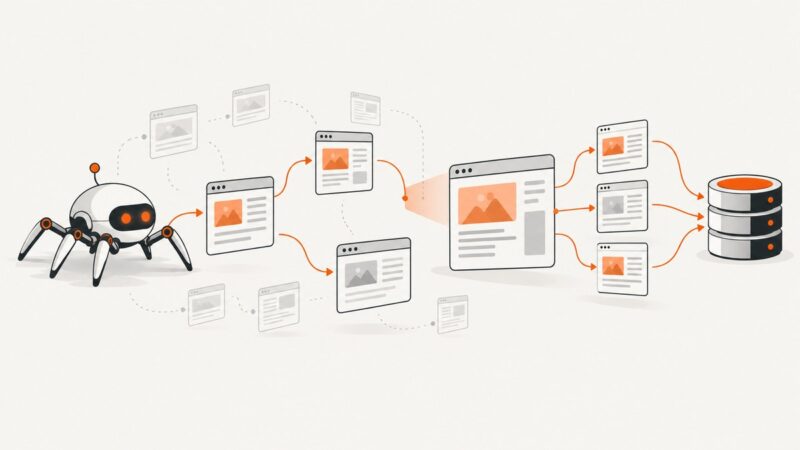
Build a JavaScript-aware crawler that fetches HTML, renders app shells, extracts real links, and follows them safely within scope.
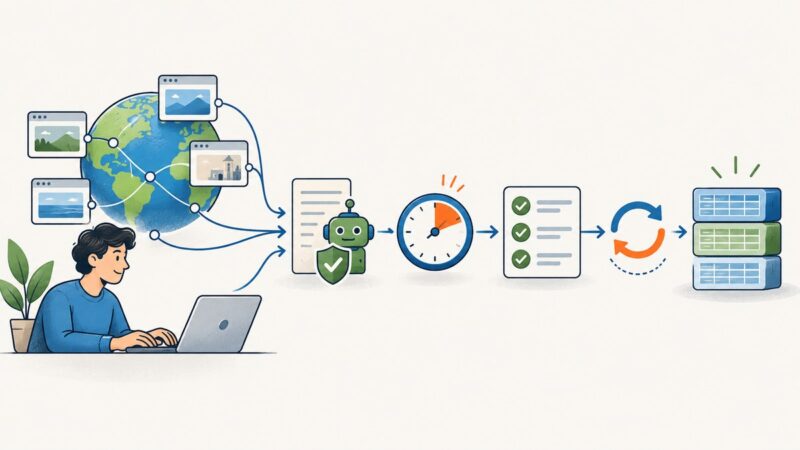
Build a reliable, respectful scraper with robots.txt checks, clear identity, modest rates, bounded retries, validation, and observable operations.
A practical framework for replacing a production scraping system: choose the right access method, compare build-versus-buy options, and measure results.
Learn when to use reusable image templates or transformation URLs, with implementation patterns, code, tradeoffs, and production guidance.
secp521r1 is NIST P-521. Learn its TLS support, security range, negotiation tests, troubleshooting and deployment guidance.
Yes, Guzzle can use cURL, but it is transport agnostic. Learn handler selection, ext-curl setup, custom handlers, middleware, debugging, and alternatives.
Learn how CSS pixels, device pixel ratio, zoom, full-page capture and resizing determine screenshot dimensions and sharpness.
Compare screenshots reliably with Playwright: choose the right capture scope, stabilize rendering, set sensible thresholds, and review visual diffs.
Learn how to benchmark Puppeteer with repeatable timings, browser metrics, traces, and a practical workflow for finding real bottlenecks.
Learn how OCSP stapling moves certificate status checks into the TLS handshake, how clients validate freshness, and what operators should check when deploying it.
Learn what CDP is, how domains, targets, commands, and events fit together, and when to use raw CDP, Playwright, or a screenshot API.
A practical guide to TLS Supported Groups: elliptic curves, standalone ML-KEM, standardized PQ/T hybrids, registry flags, code points, and deployment checks.
secp256r1 is NIST P-256, a TLS key-exchange group. Learn how TLS 1.3 and earlier versions negotiate it, how it differs from ECDSA, and how to verify a live endpoint.
Learn how to verify Googlebot requests using reverse DNS, forward confirmation, ASN context, and Google's current crawler IP ranges.
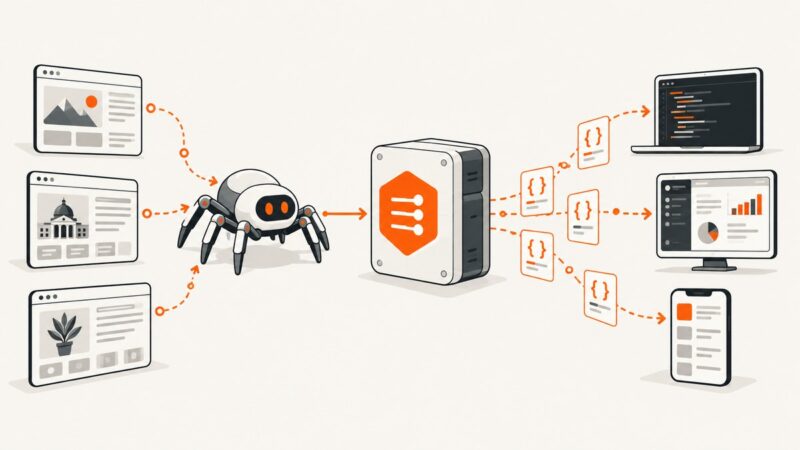
Learn how to expose a reliable scraper as an authenticated, versioned data API with synchronous and asynchronous jobs, pagination, retries, and observability.