What Is HTTP PATCH? A Complete Guide to Partial Updates
HTTP PATCH applies partial changes to a resource. Learn PATCH versus PUT, JSON Patch, atomicity, ETags, errors, retries, and working examples.
Puppeteer, Playwright, Selenium and headless Chrome, and what they take to run well.
HTTP PATCH applies partial changes to a resource. Learn PATCH versus PUT, JSON Patch, atomicity, ETags, errors, retries, and working examples.
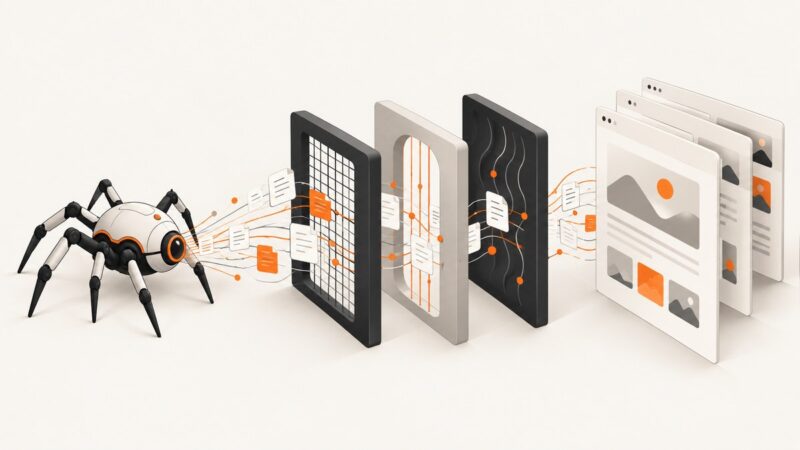
Scale crawls safely by partitioning work, controlling per-site rates, finding bottlenecks, and measuring useful records instead of raw requests.
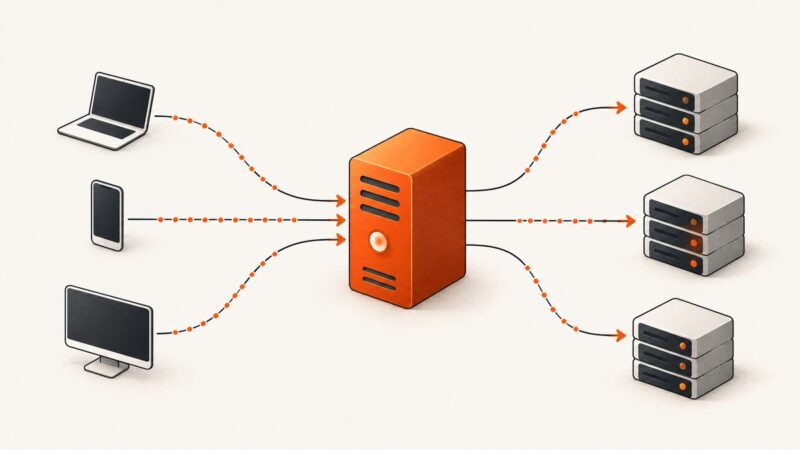
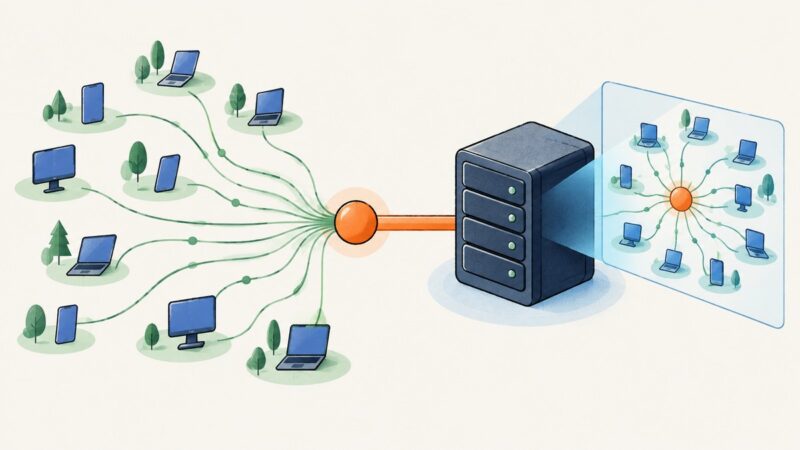
A reverse proxy receives client requests for your servers, then routes, caches, secures, and returns responses from the right backend.
Control memory in long scraping jobs by measuring queues, bounding responses, tuning concurrency, and handling browser state without losing useful data.
HTTPS protects most web connections, but capacity, legacy systems, policy, and local-device designs still leave gaps.
Google’s Chrome Browser Automation team maintains Puppeteer. Learn what that means for ownership, copyright, licensing, and the npm package.
A 10 ms sleep does not make Playwright screenshots run at 100 FPS. Measure capture latency, find where frames are lost, and choose a recording method that fits your animation.
Scale browser automation by balancing concurrency with isolation. Configure Playwright workers and shards, and build safer Puppeteer and Playwright services.
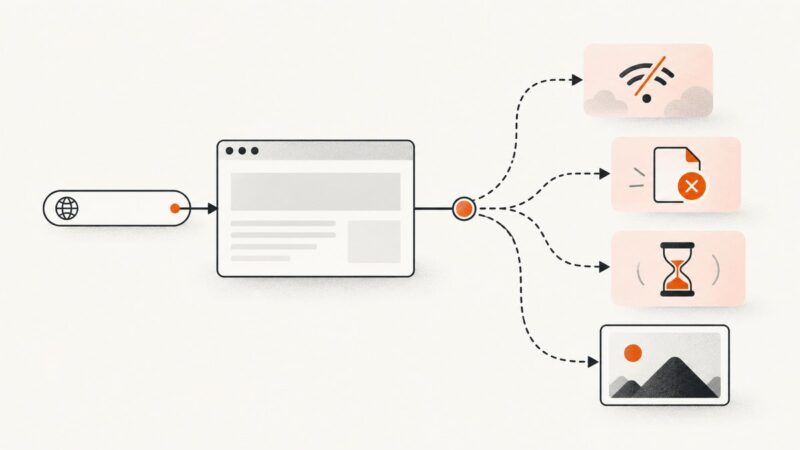
Learn to distinguish network failures, HTTP errors, timeouts, and visual mismatches when a screenshot request fails.
Learn how sites detect VPN IPs, why signals are imperfect, and how to combine IP intelligence with browser and network checks.
Make Playwright visual regression tests reproducible across local machines and CI by pinning the rendering environment, stabilizing pages, and reviewing baselines.
Learn how Scrapy downloader and spider middleware work, how ordering and hooks interact, and how to build, test, and troubleshoot custom middleware.
Build a durable, distributed Node.js crawler with BullMQ, Redis, robots.txt compliance, URL deduplication, retries, and reliable result storage.
Fix Puppeteer’s “execution context was destroyed” error by synchronizing navigation, waiting for real list readiness, and extracting from the current page.
Learn how to extract complete page HTML with Puppeteer, recursively serialize open Shadow DOM, handle closed roots, and avoid common DOM snapshot traps.
Learn what X448 does, how TLS 1.3 uses it, how its security compares with X25519, and what to check for compatibility.
Learn what secp224r1 means, where TLS 1.2 supports it, why TLS 1.3 omits it, and how to verify your actual cryptographic stack.
Learn when headless Chrome can use a GPU, how to capture with Chrome and Playwright, and how to make screenshots repeatable.