Practical Python Techniques and Projects for Developers
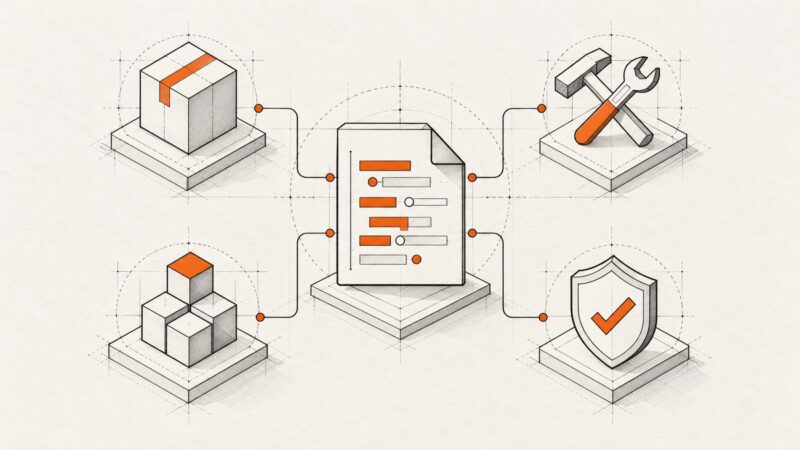
Build useful Python projects with a repeatable loop: prototype, modularize, isolate dependencies, test behavior, and package the result.
Step-by-step guides to capturing the web: screenshots, full pages, elements, devices and more.
Build useful Python projects with a repeatable loop: prototype, modularize, isolate dependencies, test behavior, and package the result.
Learn what NLP is, how its pipeline works, how NLP differs from NLU and NLG, and how to choose an approach for a real application.
Learn how product teams use reusable templates and structured data to generate consistent, on-brand images at scale.
Pyppeteer brings Puppeteer-style Chrome automation to Python, but its maintainers call it unmaintained. Learn how it works, where it differs, and when to migrate.
Web scraping collects website data; screen scraping extracts what a user interface presents. Here’s how to choose the right method, with runnable examples.
Learn how to detect downtime, broken links, slow pages, and failed customer journeys, then route useful evidence to the right people.
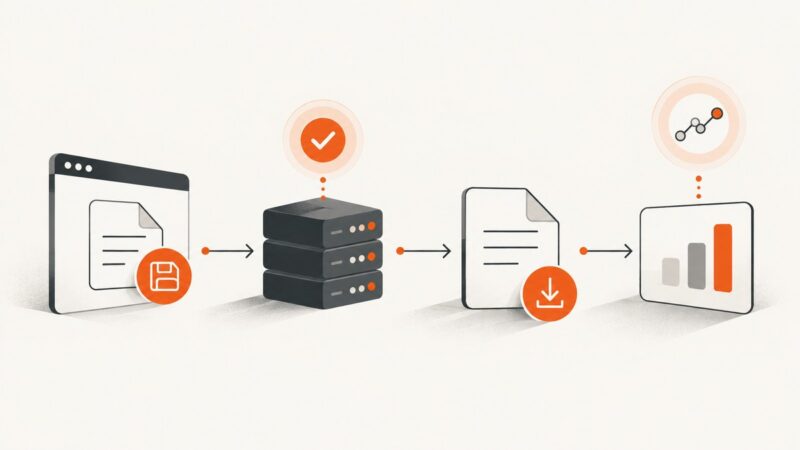
Track saves and exports by measuring confirmed outcomes, not just button clicks. Learn how to define events, implement GA4 tracking, and validate your data.
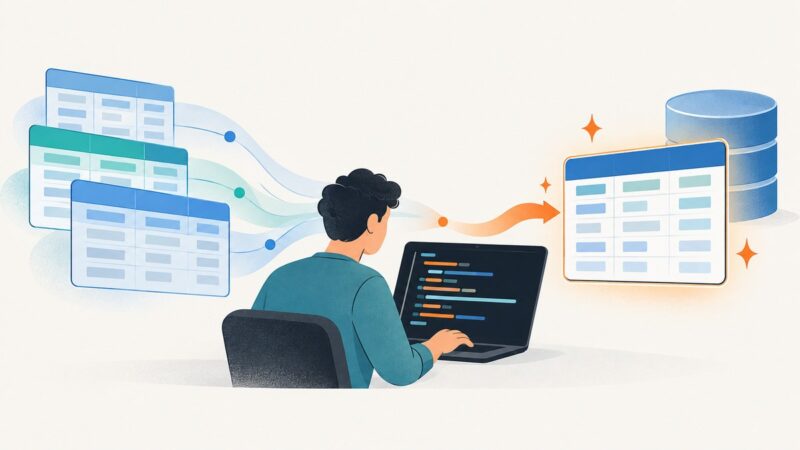
Learn how to create, query, replace, secure, and troubleshoot SQL views across PostgreSQL, SQL Server, MySQL, and SQLite.
Find the HTTP resource behind an HTTPS warning, fix its source, and verify the repair. Learn when CSP helps and why it does not replace HSTS.
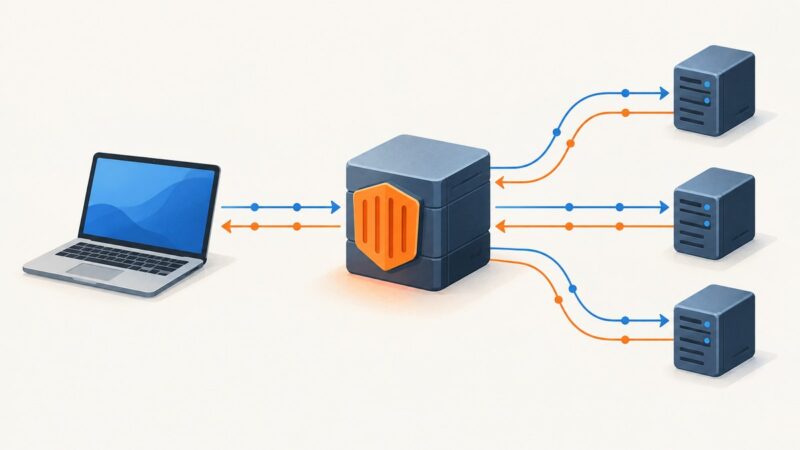
A web proxy sits between clients and servers. Learn how forward and reverse proxies work, what they can do, and when to use each.
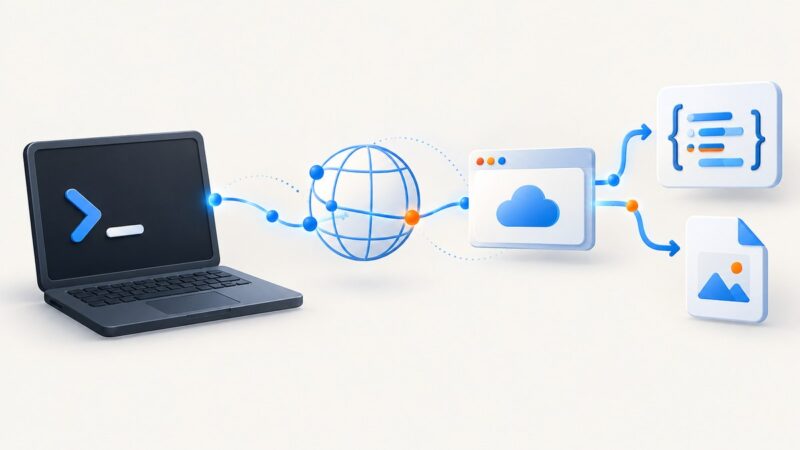
cURL is a command-line tool for transferring data with URLs. Learn what it does, how to use it, security options, and when to use a browser.
Learn what pyproject.toml does, where build requirements, package metadata and tool settings belong, and how to configure a Python project correctly.
Query parameters are URL values used to pass search terms, filters, pagination, and other request data. Learn how to read, build, encode, and protect them.
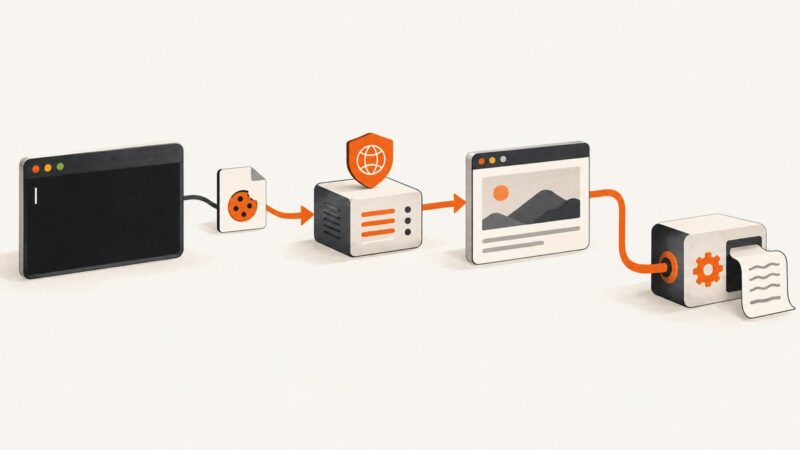
Use cURL for authorized HTTP requests with explicit headers, cookie files, proxies, and shell pipes. Includes runnable examples, troubleshooting, and a browser-rendered screenshot option.
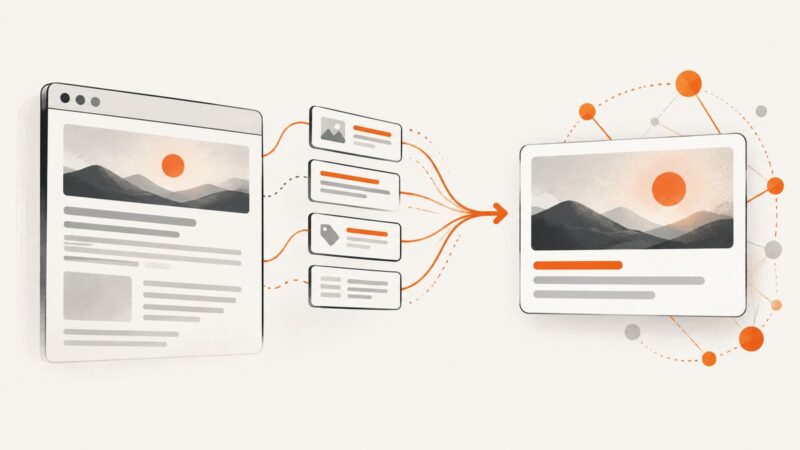
Copyable Open Graph tag examples, explanations, validation steps, troubleshooting, and a complete template for reliable social previews.
Record a short screen interaction as a GIF, choose a browser or desktop workflow, and learn when an API is the better fit.
Learn how web scraping APIs fetch, render, and extract data, when to use one, and how to choose between an official API, hosted service, or your own crawler.
A practical, permission-first guide to collecting public social-media evidence for OSINT, preserving provenance, and avoiding common legal, privacy, and technical failures.