Website Archiving for Historical Reference
Find dated website captures, cite them accurately, and understand what a web archive can—and cannot—preserve.
Step-by-step guides to capturing the web: screenshots, full pages, elements, devices and more.
Find dated website captures, cite them accurately, and understand what a web archive can—and cannot—preserve.
Choose JavaScript for a small scraper and TypeScript for a growing pipeline. Both use the same browser automation tools; types help catch data-shape errors before runtime.
Create social cards that survive platform crops, load reliably, and display correctly with Open Graph metadata and practical validation steps.
A RESTful API follows architectural constraints for identifying resources and exchanging representations. Learn how REST relates to HTTP, JSON, and common API methods.
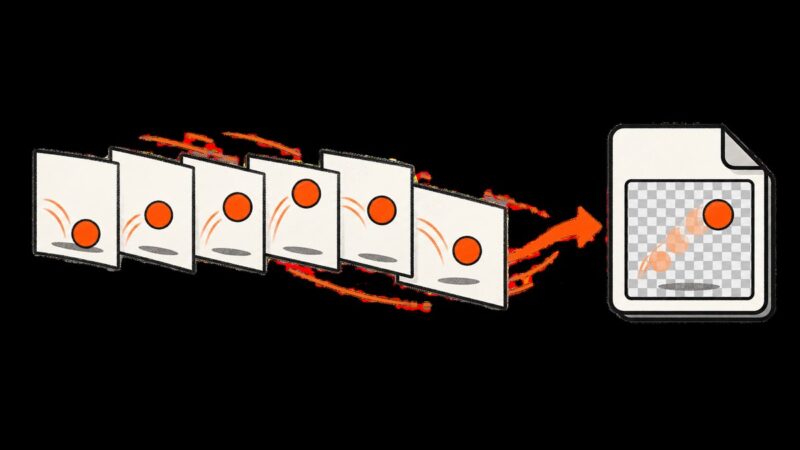
An animated GIF is a bitmap file containing multiple frames. Learn how GIF animation works, how to create one, and how to make it accessible.
Make website screenshots sharper and more consistent with the right viewport, DPR, rendering workflow, formats, and responsive delivery.
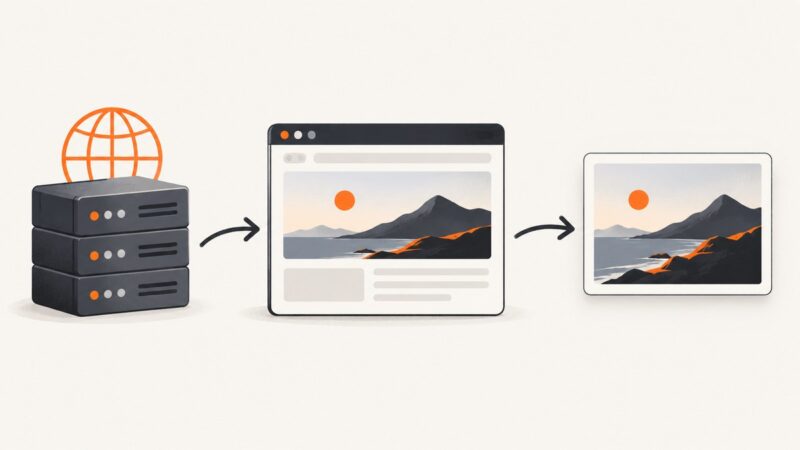
Learn how screenshot tools render HTTP pages, choose waits and capture modes, troubleshoot failures, and automate reliable captures with Playwright or ScreenshotNeo.
Google Places publishes a 6,000 QPM reference limit, but your effective quota depends on the API version, method, and Cloud project settings. Learn to diagnose limits, control retries and costs, and request more quota safely.
A Java thread dump captures thread states and stack traces at one moment. Learn to take one, read it systematically, and know when you need more evidence.
Learn how to authorize, generate, deliver, and troubleshoot signed image URLs without making private images public.
Harden NGINX step by step with patching, TLS, access controls, rate limits, security headers, verification, and troubleshooting.
Learn how to automate review analysis, validate product themes, and combine review evidence with search, purchase, price, competition, and return data.
Choose a Ruby parser for HTML or XML, then use runnable examples for Nokogiri, REXML, Ox and Oga—including selectors, streaming, security and troubleshooting.
Learn what Chrome’s dangerous-site warnings mean, how visitors should respond, and how website owners can investigate and request a review.
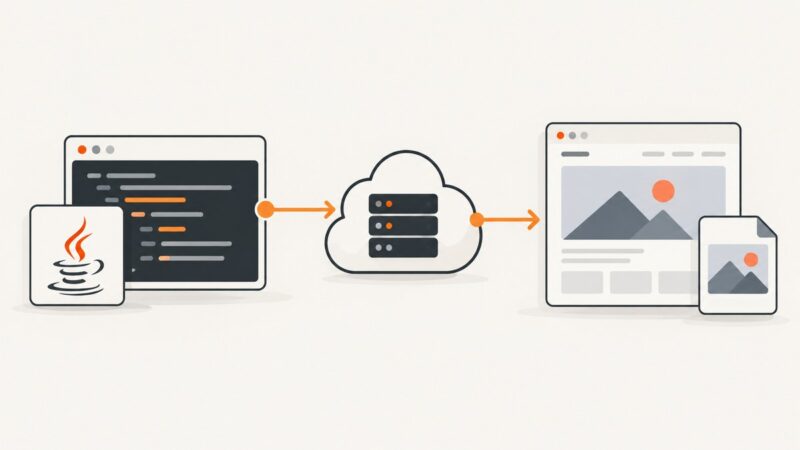
Learn how to capture webpages from Java with HttpClient, SDKs, retries, formats, full-page options, troubleshooting, and ScreenshotNeo.
Learn HTML parsing in Java with JSoup: setup, selectors, links, sanitization, streaming, troubleshooting, and production patterns.
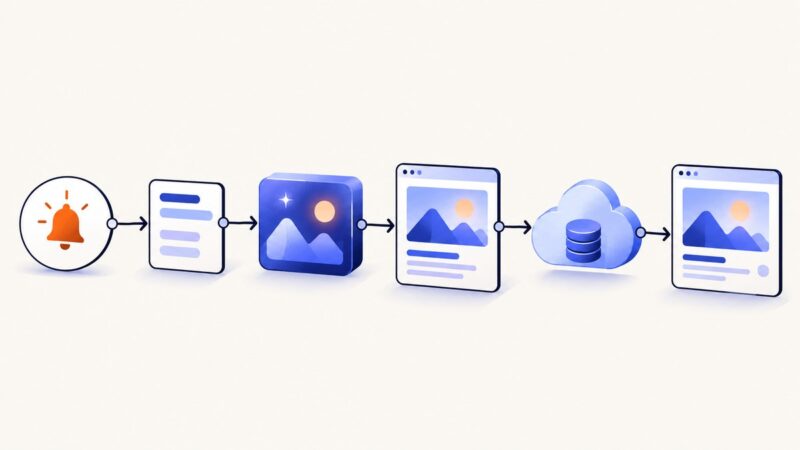
Build a Pipedream workflow that generates images, renders exact HTML layouts, stores assets, and publishes them reliably.
Yes: Tor provides a free local SOCKS5 endpoint. Learn how to configure it, check for DNS leaks, understand its limits, and assess public proxy lists.